Critics of NYC’s Government-Run Grocery Stores
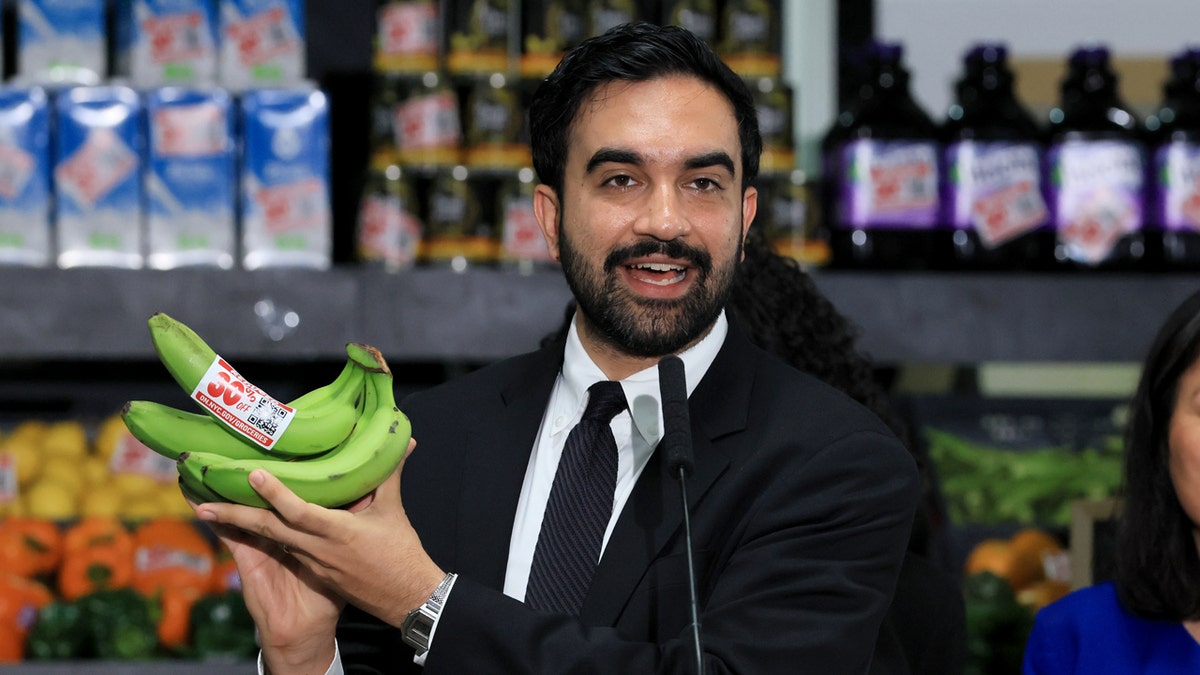
A former grocer has voiced strong criticism of New York City Mayor Zohran Mamdani’s plan for government-operated grocery stores, suggesting such stores could severely affect small business owners forced to compete with them. Rep. Mike Rulli, R-Ohio, expressed his doubts in an interview: “That supermarket will just bleed red the entire time it’s open, from the first time you turn the key until it closes,” he told Fox News Digital. Rulli, referencing his family’s grocery business, emphasized the failure risk of Mamdani’s proposal: “I would bet the farm there’s no way these grocery stores last more than five years—maybe not even a year.”
Rulli’s experience comes from his family-initiated Ohio-based grocery chain, Rulli Brothers, now managed by his siblings. His business insight makes him concerned for small businesses in New York City that could struggle under this competitive stress.
“You will put hundreds of these small businesses out of business. And a lot of these businesses are owned by immigrants,” Rulli said. “So I mean, I don’t think the mayor could possibly have asked for a worse situation.”
Mamdani, the Democratic socialist mayor of New York City, announced a project for government-funded grocery stores during his campaign. The city pledged $70 million to build one such store in each of the five boroughs, targeting completion by 2030. Speaking at a news conference, Mamdani explained, “Once a month, our five city-run grocery stores will set prices for this core set of goods at 30% below typical retail prices.” This initiative seeks to address issues of pricing and access to groceries.
While progressives praised Mamdani’s plan, business groups like the Multicultural Business Coalition showed concern, with the New York Post reporting a possible lawsuit against Mamdani. Critics argue that such stores might operate at a loss with taxpayer funding. Rulli detailed, “When you think about the grocery industry, it runs on about 27% gross. That’s before you pay your bills. Once you pay your bills, you’re about one-and-a-quarter, one-and-a-half-percent net.” He believes this financial model could burden taxpayers heavily.
Elizabeth Elkind covers politics for Fox News Digital, with experience contributing to Daily Mail and CBS News. Follow her updates on Twitter at @liz_elkind.