DoorDash Air: New Horizons in Drone Delivery
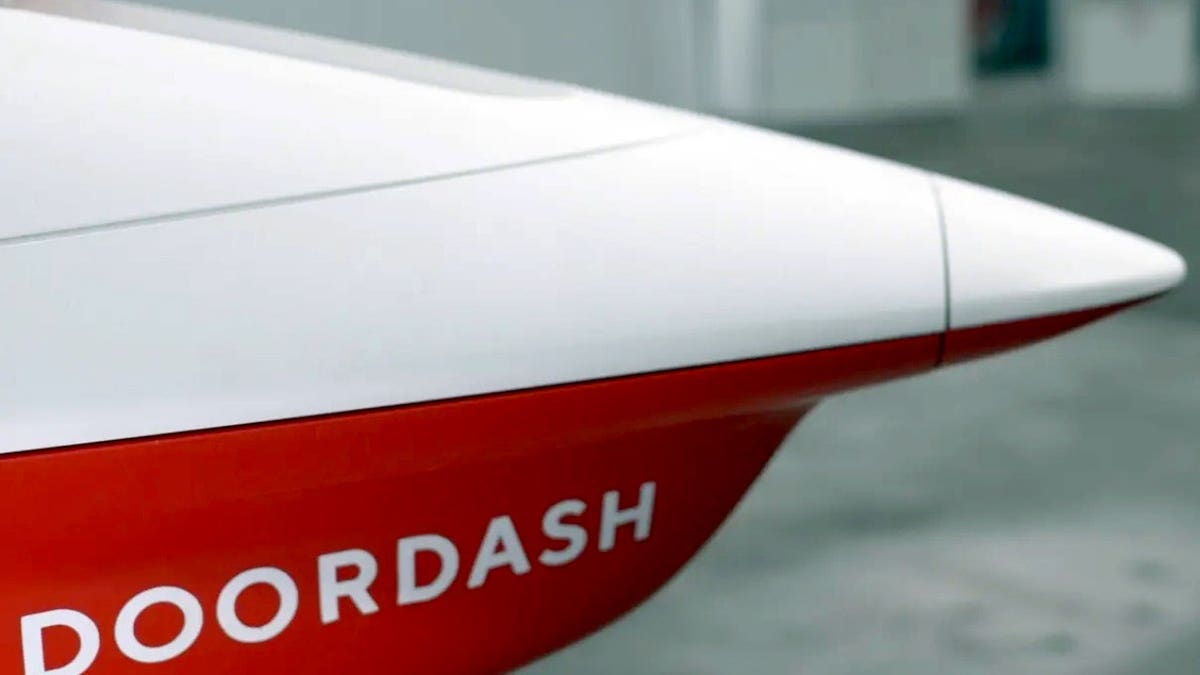
Your next DoorDash order may arrive via drone. DoorDash has obtained FAA Part 135 air carrier certification and launched its in-house drone delivery initiative, DoorDash Air. With this certification, DoorDash has federal approval to operate commercial drone deliveries.
It’s a notable shift for the app known for delivering burgers, groceries, and snacks, but don’t expect drones on your doorstep immediately. DoorDash needs additional operational approvals and hasn’t outlined its initial markets or launch schedule for these aircraft.
DoorDash Air’s Path Forward
DoorDash unveiled its FAA certification on July 29, 2026, becoming the eighth drone operator with this federal air carrier certificate. Part 135 certification allows companies to transport property for payment. For drones, it establishes regulations for commercial deliveries beyond direct visual supervision.
Certification involves a five-phase review process by the FAA, assessing aircraft, maintenance procedures, and safety measures. Post-certification, operators must secure airspace authorization and possibly exemptions for beyond-visual-line-of-sight flights. State and local land-use regulations can further influence where delivery hubs operate. While DoorDash has cleared this major hurdle, practical delivery networks will require detailed planning and approval.
The Appeal of Drone Delivery
Many users understand the frustration of watching meal delivery slow across town. DoorDash reports that over 20% of its 2025 orders traveled 3-5 miles, taking roughly 25% longer than shorter trips. They attribute this delay to challenges in coordinating mid-range orders with drivers, who often opt for shorter deliveries.
Drones could solve this issue by handling longer trips, thus allowing human Dashers to focus on nearby orders. DoorDash estimates that drone deliveries averaged about 25 minutes in 2025 and noted a 30% increase in order volume at pilot locations. While these figures are DoorDash’s, actual performance can vary by location, weather, and order type.
DoorDash’s Drone Development
DoorDash Air plans to create its own delivery drones, leveraging their robotics and autonomy team, known for the Dot delivery robot. These drones will be designed and manufactured in the U.S., with most components sourced domestically. While specific details about range, payload, and design remain undisclosed, more information is anticipated this fall.
Drones will complement human Dashers, who will continue to fulfill most daily deliveries. A drone’s limitations like entering buildings or handling poor weather mean a mixed approach is essential. DoorDash’s Autonomous Delivery Platform will select the optimal delivery method, whether it’s a Dasher, Dot, or drone.
Challenges Ahead
FAA certification positions DoorDash to operate an air carrier, but it doesn’t guarantee immediate drone operations everywhere. DoorDash has yet to announce the markets for DoorDash Air or provide a timeline. Extended drone routes might need further FAA approval and be influenced by local zoning, environmental reviews, or community feedback regarding noise.
Therefore, initial services will likely target select areas, possibly suburban neighborhoods with clear drop zones. This strategic planning is crucial to avoid community disturbances even if drone noise isn’t deemed significantly impactful.
Consumer Impact
Drone delivery has the potential to hasten small, urgent order deliveries. Imagine receiving cold medicine or a hot meal swiftly without a driver crossing town. However, availability depends on your location’s eligibility for drone service and specific order constraints like size and weight limits.
DoorDash is testing drones in diverse weather conditions, halting operations during extremes. Aspects like service fees or tipping structures for drone deliveries remain unclear. Right now, DoorDash Air is more a stepping stone toward broader service rather than a nationwide rollout.
The FAA certification is foundational, but real-world applications still require more approval and planning. The immediate challenge is proving drone delivery can reliably support mundane orders like a Tuesday dinner.
DoorDash’s journey from street delivery expertise to aerial operations marks a significant evolution. They must ensure their drones can safely and effectively transport goods without neighborhood disruptions. Drones and robots aim to handle specific, efficiency-driven tasks. Human Dashers will remain integral, focusing on assignments better suited to personal delivery.