Florida’s Amendment 3 Ballot Language Faces Judicial Rebuke
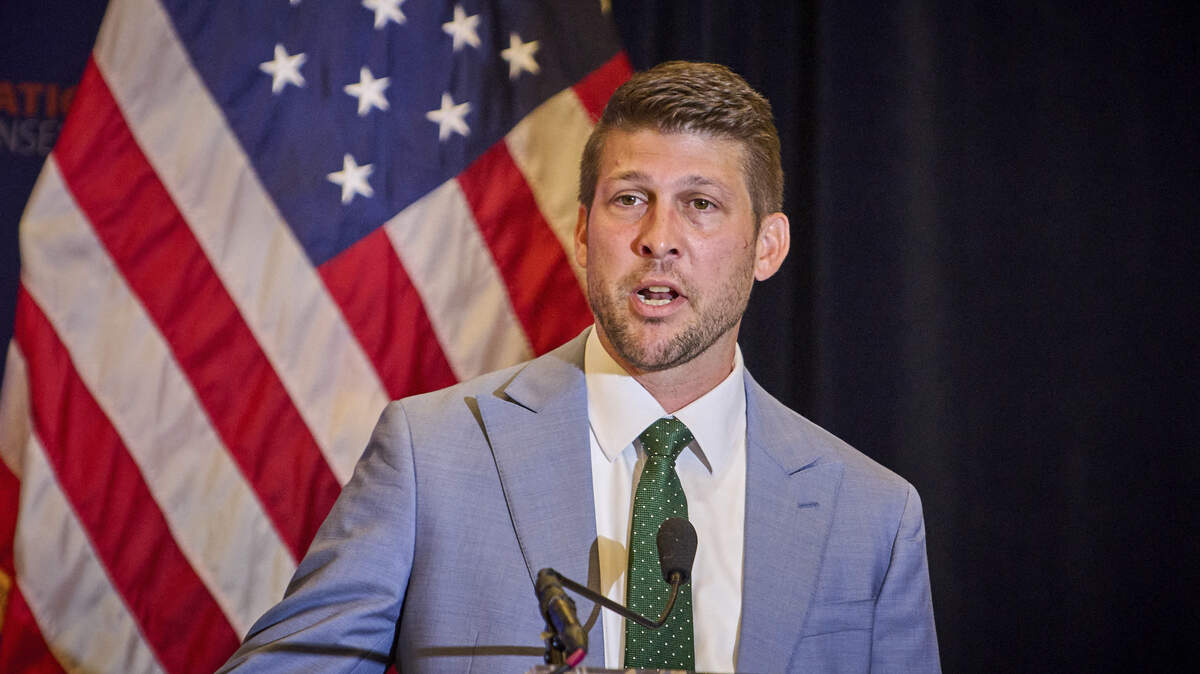
James Uthmeier spoke at the National Conservatism Conference in Washington D.C. on September 3, 2025. During the same period, a Tallahassee judge made a critical ruling regarding Amendment 3, which proposes a property tax cut in Florida. The ballot language for this amendment is considered biased and requires rewriting to ensure voters can make informed decisions.
Leon County Circuit Judge David Frank ruled that the current ballot language is “clearly and conclusively defective.” He described it as “political rhetoric, not neutral, not explanation,” in his detailed 18-page ruling. The judge criticized everything from the amendment’s title, “Save Our Homes From Excessive Property Taxes,” to the summary language presented to voters.
“Voters are entitled to a fair, clear, accurate and non-misleading ballot statement to assist them in making their critical determination,”
Frank wrote, emphasizing that the present language deprives voters of the opportunity to make a meaningful decision. He noted that the title resembles a political slogan rather than a neutral descriptor.
The amendment, initially advocated by Governor Ron DeSantis, proposes increasing the homestead exemption on owner-occupied homes. It would extend the exemption to $150,000 in 2027 and $250,000 in 2028. Additionally, it aims to reduce the annual cap on assessment increases for non-homestead properties from 10% to 5%.
During the legislative process, the Republican-led Legislature altered the measure to maintain the portion of property tax bills that fund public schools. Governor DeSantis subsequently expressed displeasure, citing that the legislature’s changes did not reflect his original proposal.
A legal challenge against the amendment was launched by the bipartisan group Save Our Voters From Misleading Ballot Language. The group includes former lawmakers and local politicians from both major parties. Attorney General James Uthmeier, appointed by DeSantis and now running for election, has a short timeframe to revise the ballot language.
The fairness of the ballot is questioned for several reasons. Judge Frank identified misleading subheadings within the ballot, such as “ensuring funding for core services” and “protecting small businesses.” He argued that these claims inaccurately reflect the amendment’s potential impact.
The proposed amendment could decrease local government revenues allocated to essential services like police and fire departments. Moreover, the summary’s promise of “fairness for Florida residents” is misleading. Renters could face increased costs that shift from property owners. Also, Floridians who become residents after 2026 would be disadvantaged as they would have to wait five years to benefit from the new exemptions.
A significant omission identified by Frank is that voters are not informed about how the amendment could alter the concept of “home rule.” This principle currently allows local governments to control property tax revenues. The amendment would enable state legislators to dictate ad valorem tax spending, potentially reducing local governance autonomy.
Voters are expected to make the final decision in November, provided the proposal’s language is revised and included on the ballot. Accurate language is essential for voters to understand the changes they might approve.
Behind The Story: Editorials represent the views of the Miami Herald Editorial Board, separate from the newsroom. Board members focus on local and state issues impacting South Florida, advocating for policies promoting justice and equality. Readers can contribute op-eds and letters expressing their views on relevant topics.