A New Proposal to Double Overtime Pay
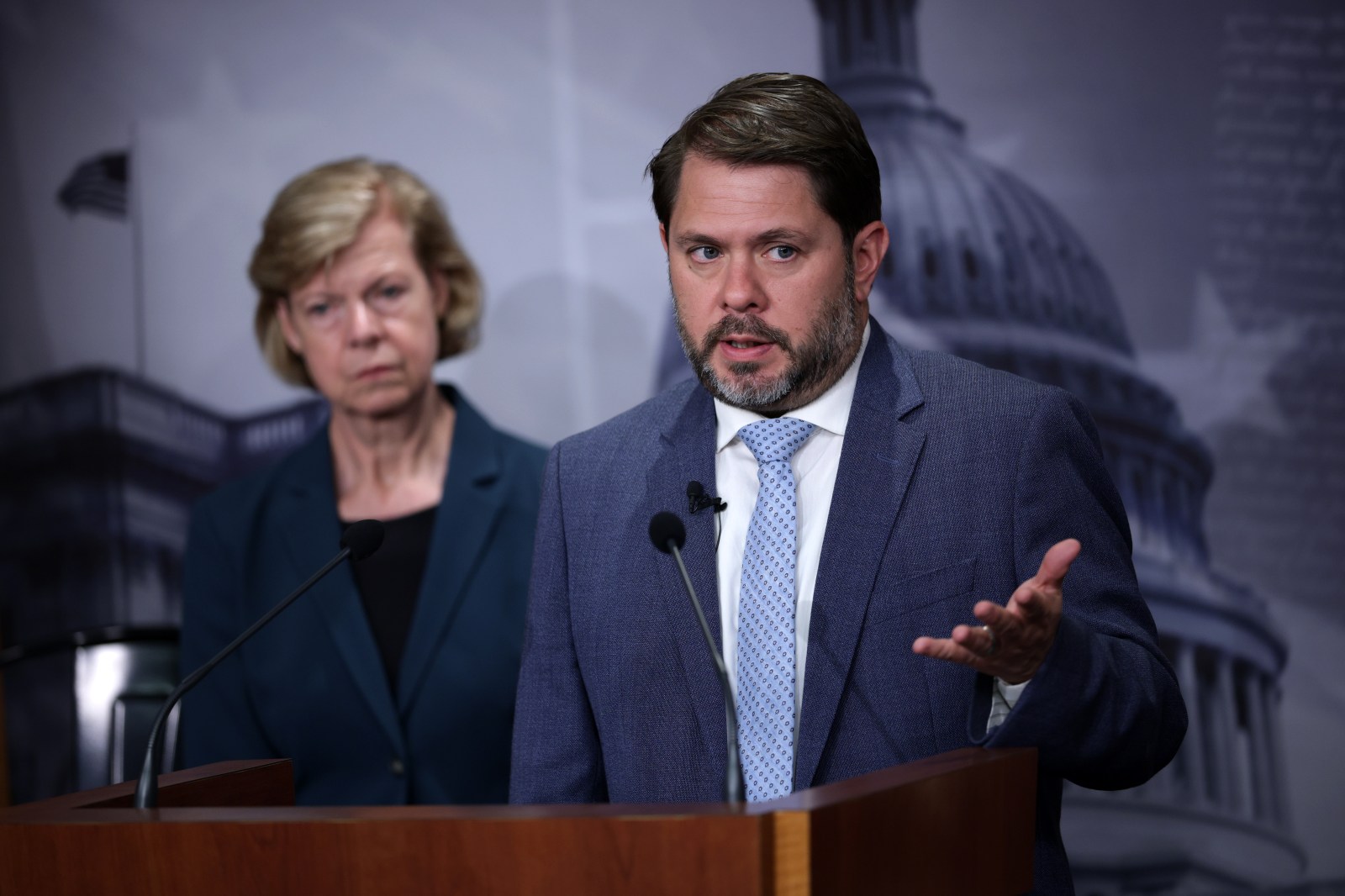
Millions of American workers could see significantly larger paychecks with the introduction of a new bill in Congress. Senator Ruben Gallego, a Democrat from Arizona, has proposed the Double the Wage for Overtime Act of 2026. This bill aims to increase the federal overtime pay rate from the current time-and-a-half standard to double a worker’s regular hourly wage for hours worked beyond 40 in a week.
The Proposal Explained
The Fair Labor Standards Act, enacted in 1938, mandates that eligible workers receive 1.5 times their normal pay rate for overtime hours. Under the new proposal, this would shift to double pay for overtime work. The change would take effect 180 days post-enactment.
Senator Gallego stated, “Workers have not seen their overtime rate double in nearly 90 years. Increasing the overtime rate will put more money in their pockets when families are stretching every dollar.”
Why Timing Matters
The bill has emerged during a period when many Americans struggle with rising living costs and stagnant wages. Supporters argue that the workers who put in extra hours deserve higher compensation. Critics worry that increased labor costs might impact businesses with tight profit margins.
Senator Gallego’s office reports that 13.4 million workers could benefit from this legislation.
Economic Impact
Implementation could significantly impact overtime workers financially. For example, a worker earning $25 per hour who works 10 overtime hours a week currently receives $37.50 per hour. Under the new proposal, they would earn $50 per hour. This change could result in about $6,500 in additional annual income for such a worker.
Alex Beene, a financial literacy instructor at the University of Tennessee, emphasized that reducing federal taxation on overtime earnings would let employees keep more earnings without needing a base wage raise. This could provide meaningful relief during periods of high inflation.
In fields like manufacturing, transportation, healthcare, and construction, where overtime is common, employees could see a major boost in take-home pay. However, businesses may adjust by raising prices or hiring more workers to avoid overtime costs.
Doubling overtime pay would put real money in workers’ pockets fast. The $6,500 example shows the financial impact of changing from time and a half to double time,” said Michael Ryan, finance expert.
Competing Economic Incentives
The legislation may create different incentives for employers. Some may absorb or pass the higher costs onto consumers, while others may limit overtime hours and hire additional workers.
Michael Ryan observed that while workers like those on production lines or in hospitals may benefit, others may see their hours cut. Democratic Representatives Greg Casar and Pramila Jayapal, who introduced similar legislation in the House, emphasize the need to update labor rules and increase pay.
Proponents argue that this act could enhance work-life balance and lower burnout rates. Some business groups express concern over raising operational expenses, particularly for small businesses in sectors like retail and food service.
Support for the Bill
Prominent labor unions, such as the AFL-CIO, United Auto Workers, and National Nurses United, support the bill. Various advocacy groups also endorse it, including the Economic Policy Institute and National Urban League. However, the legislation currently lacks Republican backing, calling its future into question.
It’s a messaging bill right now, not a law in progress. Every sponsor in both chambers is a Democrat, and it’s sitting in a Republican-controlled committee,” said Ryan.
Next Steps
For the bill to become law, it requires approval from both Congressional chambers and the president’s signature. While the bill could potentially decrease available overtime, it may also lead companies to hire lower-cost workers or change schedules to avoid higher costs. Experts like Kevin Thompson suggest that the bill might shift bargaining power back to employers.