Autism Care Providers Support Medicaid Fraud Crackdown
Healthcare Fraud Concerns
Former federal prosecutor Andrew Cherkasky recently described healthcare fraud schemes as similar to organized crime operations. He expressed these views on ‘The Faulkner Focus.’ These schemes, he warned, drain vital state resources, putting vulnerable Americans at risk by depriving them of essential healthcare services.
Support for Fraud Crackdown
Autism care providers align with the Trump administration’s efforts to tackle Medicaid fraud. They assert that the theft of millions in federal funds affects taxpayers and children with autism who rely on these services.
The Autism Families Alliance, a national advocacy group, is backing these efforts. Taylor Sanders, a family advocate at the organization, believes that every child deserves a chance to communicate, gain independence, and live a fulfilling life. She stated, “I’ve worked with children who found their voice after being nonverbal. Families have moved from fear and uncertainty to hope as their child makes progress.”
Concerns over Policy Implementation
While these professionals support eliminating fraud, some worry that federal and state measures might unintentionally hinder legitimate service providers. Taylor Sanders emphasized that these concerns are genuine as access to autism care is a lifeline for families.
States such as Georgia, North Carolina, and Indiana have increased their oversight of autism services. However, the Autism Families Alliance urges policymakers to eliminate fraudsters without creating hurdles for families needing care.
Caring for children with autism should remain uninterrupted despite broad fraud control efforts.
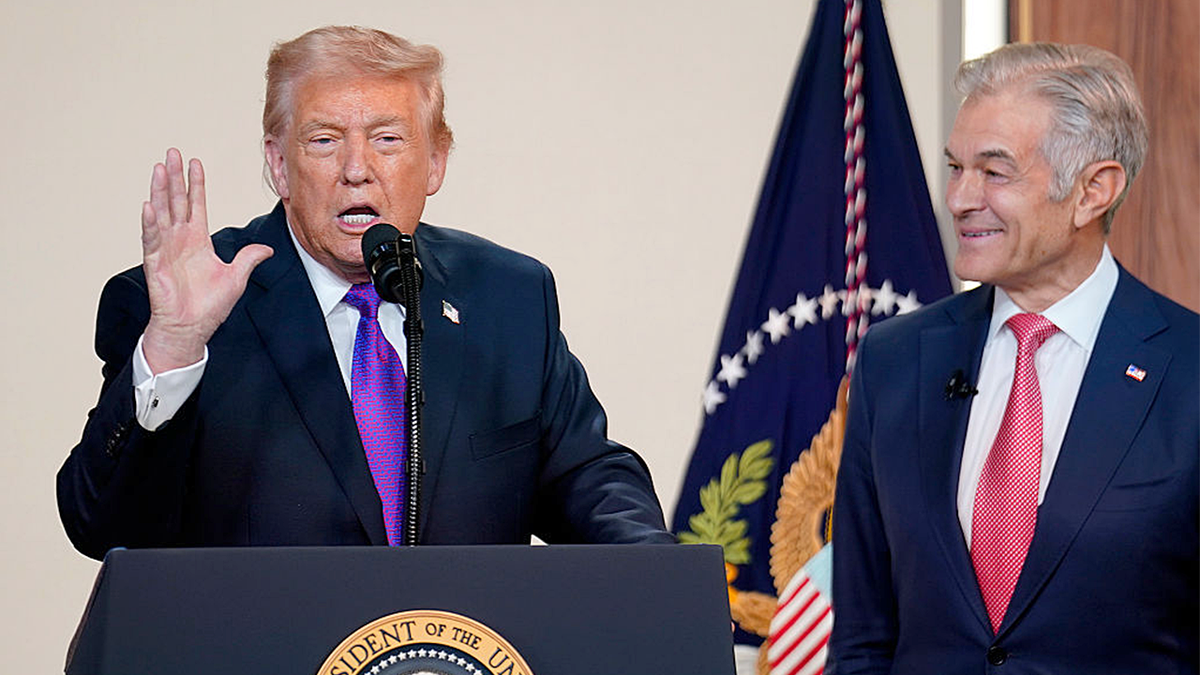
Dr. Mehmet Oz, an administrator at the Centers for Medicare & Medicaid Services, echoes this opinion. He emphasizes the importance of targeting fraudsters without affecting ethical providers who aim to improve autism care.
Impact of Quality Care
Rocio Berni, a parent of an autistic child, shared her experience with Applied Behavior Analysis (ABA) therapy. She noted significant improvements in her son’s behavior and communication thanks to dedicated therapists.
Kelsey Bennett, another advocate at the Autism Families Alliance, emphasizes that fraud has no place in healthcare. She stresses that policy should focus on fraud elimination and not inadvertently impact families seeking essential services.
Effective policies should protect resources while ensuring children with autism receive necessary care. Bennett highlights that the actions of a few should not overshadow the commitment of thousands of ethical clinicians providing quality care.