The Debate on Shucking Corn Before Buying
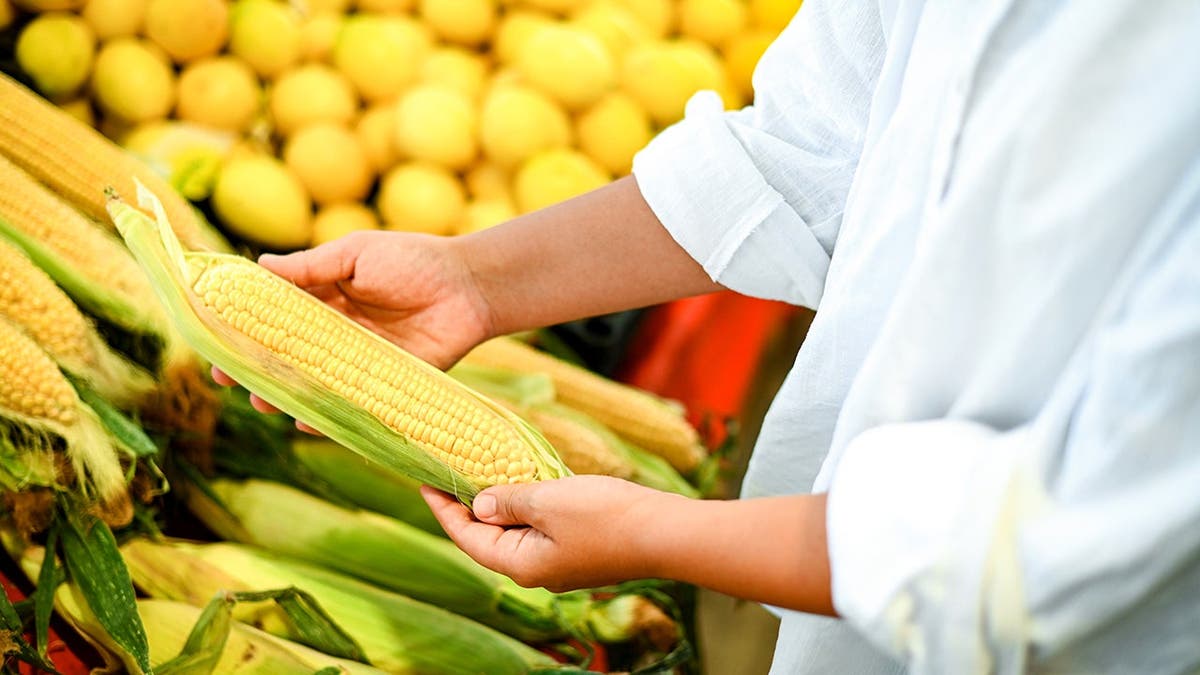
The arrival of fresh summer corn at grocery stores and farmers’ markets brings up a common debate: Should you shuck corn before purchasing it?
Shucking corn involves removing the outer green husks and the silk to access the kernels. Some shoppers prefer to shuck corn to inspect the quality and check for insects.
Shucking Etiquette
Florida-based etiquette expert Jacqueline Whitmore advises that if you shuck corn in the store, you should buy it. Some stores provide trash bins for shucked husks, but if none are available, it is best to refrain from shucking to prevent mess and waste. Shucking can make the corn less appealing to other customers and increase food waste risks.
If you shuck it, buy it. If the ear of corn is bad, let a manager know or discard it in the trash bin provided.
Sanitation and Freshness
Beyond etiquette, there are sanitation concerns. Corn husks protect kernels from dirt, bacteria, and moisture loss. Shucking in-store can expose kernels to bacteria from hands and store surfaces.
Experts suggest waiting to shuck until just before preparing to eat. The husk maintains freshness, and early shucking exposes kernels to oxygen, leading to moisture loss and faster conversion of sugars to starches, reducing sweetness.
Utilizing Corn Parts
According to Ohio-based farmer Lee Jones, every part of the corn ear can be used creatively, from stalk to husk. This includes uses like teas, soups, and grilling wraps.
Selecting Quality Corn
Reddit users often pull back husks to check for worms or bad spots. Yet, experts recommend methods other than shucking to judge corn quality.
- Compare weights; heavier ears often have juicier kernels.
- Squeeze the corn; it should feel firm and plump.
- Check the silk; fresh corn usually has light brown or golden silk.
- Inspect the husk; bright green and tightly wrapped indicates freshness.
Storage Tips
Keep corn cool and covered if not eaten right away. Always wash corn before consumption to remove dirt, bacteria, and pesticide residue.
Lisa Lin, a California-based food writer, confirms the silk’s appearance can indicate freshness, with black or dried silk suggesting older corn. Toni Salter, an Australia-based horticulturist, notes that holes in the husk could indicate insect damage.