Puerto Rico’s Water Crisis Intensifies Amid Federal Silence
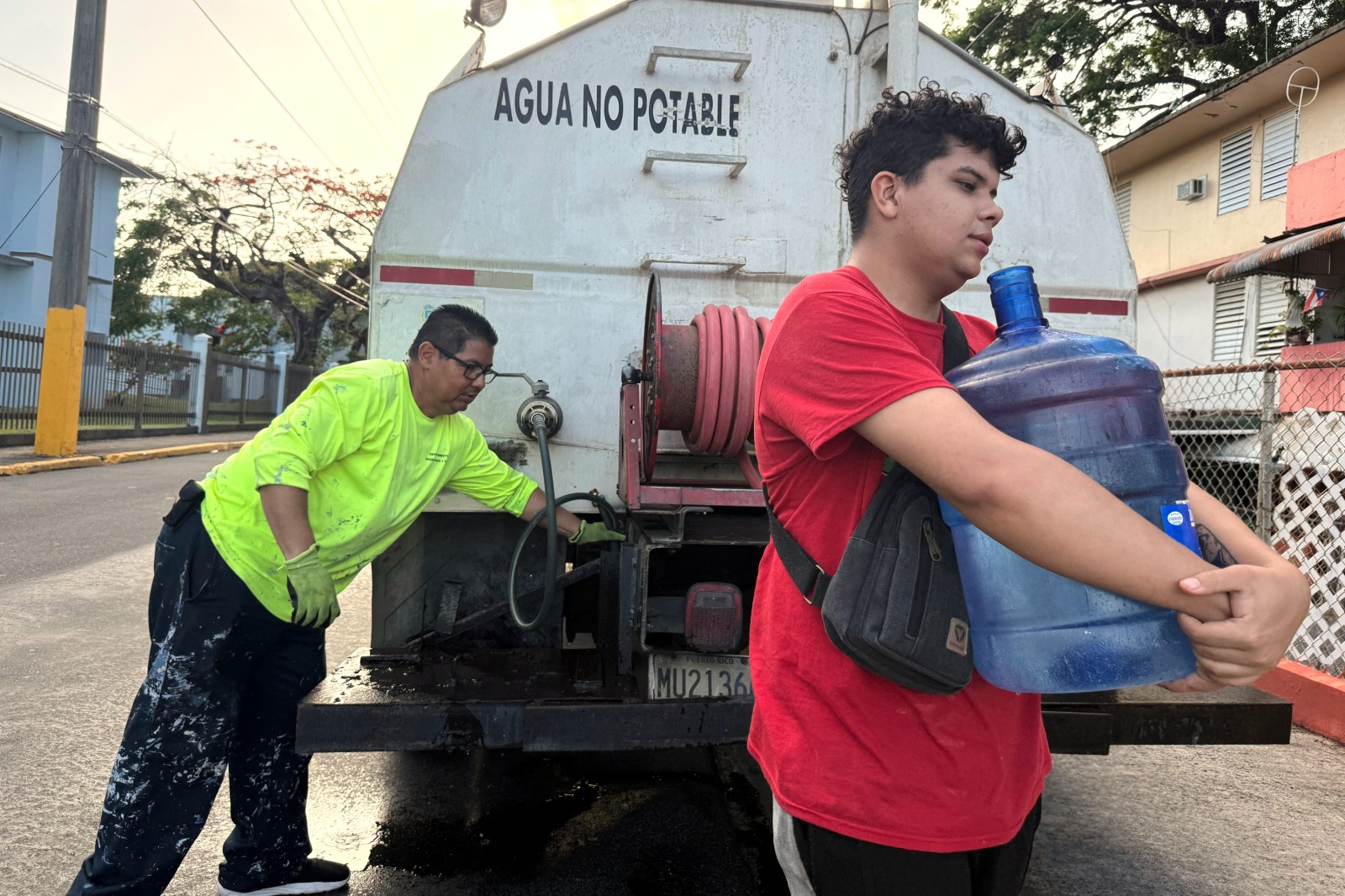
Puerto Rico has imposed a 48-hour water-rationing cycle affecting over 180,000 people as it faces historic drought conditions. Residents report experiencing more than 100 days of unreliable service this year. The crisis unfolds without any statement from President Donald Trump, while residents, businesses, and hospitals brace for extended shortages. Local officials caution that the emergency could last weeks or months, leaving millions on the island to deal with a system weakened by neglect.
The Carraízo reservoir has reached critically low levels, necessitating alternating shutoffs across seven municipalities. However, residents indicate that outages began long before the drought—a sign of deeper infrastructure failures unaddressed by Puerto Rican or federal authorities. CTPR Executive Director Willianette Robles Cancel highlighted that the tourism sector is coordinating efforts to maintain operations. Yet, the crisis transcends tourism, and frustration is mounting due to the lack of federal involvement.
Newsweek reached out to the White House for a comment but received no response.
A Federal Silence Amid Historic Shortages
Despite over 3 million U.S. citizens residing on the island, the Trump administration has remained silent on the worsening water shortages. In July, San Juan recorded its driest month in more than 120 years. The National Oceanic and Atmospheric Administration (NOAA) projects below-average rainfall and above-normal heat through October, expected to be exacerbated by a strengthening El Niño.
The U.S. Drought Monitor’s early-August update reports about 68 percent of Puerto Rico in drought, with the most severe conditions in the island’s interior and northern areas. Governor Jenniffer González has stated she doesn’t know how long rationing will continue, calling the situation “out of our hands.” Residents have been divided into two groups alternating water access for at least 48 hours, without clarity on when this will end.
People report that unreliable service began well before formal rationing, with San Juan neighborhoods experiencing over 118 days of issues this year. The Puerto Rico Aqueduct and Sewer Authority (PRASA) claims rationing is necessary for equitable water distribution. However, communities have reported outages since mid-June. San Juan’s mayor has sued PRASA over shortages unrelated to weather, and PRASA advises residents to boil water once service resumes—indicating contamination risks.
The Need for Federal Intervention
Puerto Rico has faced water rationing in previous years, but experts warn the current crisis is broader and more destabilizing. Extreme heat, historic droughts, and long-standing infrastructure issues demand federal attention. However, hospitals are resorting to tanker trucks, and businesses face high costs to stay operational without federal action.
Local businesses, particularly in Old San Juan, suffer as they face closure during rationing or pay significant amounts for private water services. One business owner reports daily expenses between $300 and $500 for water. Residents experience long lines at stores for bottled water as supplies quickly diminish. This scarcity impacts their ability to maintain daily life, from work to simple tasks like washing clothes.
Daily Life Altered by Water Scarcity
For many families, the crisis disrupts daily routines. Residents describe lengthy waits for basic necessities. Vanessa Toro, staying in Puerto Rico, explains the difficulties in performing everyday tasks like washing clothes or grocery shopping because of water scarcity.
Meteorologist María Novoa García predicts rainfall will continue to fall short, with El Niño intensifying conditions. PRASA has prioritized water trucks for hospitals and elder-care facilities, acknowledging systemic issues caused by chronic underinvestment.
The water crisis reflects broader structural problems, with concerns that development projects during the drought could worsen the situation. With no clear resolution, residents, businesses, and the tourism sector continue to grapple with the challenges posed by the drought.
Newsweek editors Samantha Beech and Anthony Murray contributed to this report.