Media’s Approach to Abdul el-Sayed’s Campaign Controversy
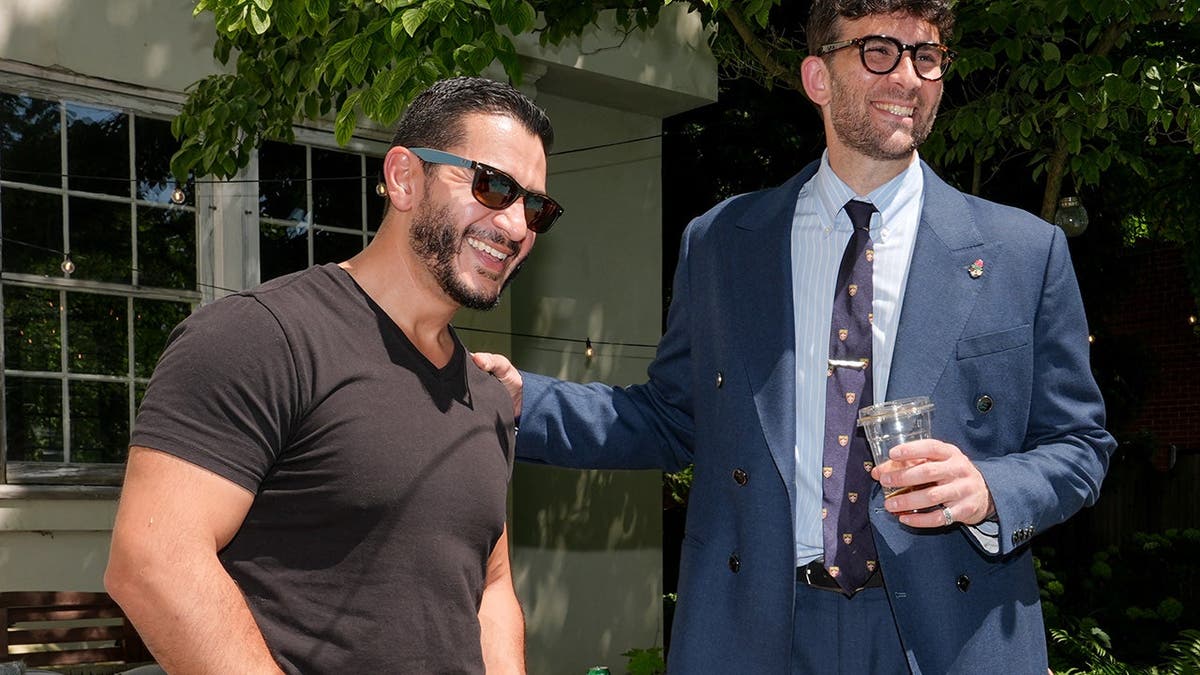
The Michigan Senate race spotlighted Abdul el-Sayed’s primary win. This event underscored a gap in Democrats and media outlets’ ability to recognize radical leftism. El-Sayed’s connections with radical streamer and podcaster Hasan Piker drew criticism but did not lead to disavowal.
Facing Republican Mike Rogers, media outlets could defend el-Sayed against his affiliation with Piker. Piker previously stated that America deserved 9/11 and praised Mao Zedong. His appearance at a College Democrat meeting in Mao-style attire added to the controversy.
“NBC Nightly News” reported that el-Sayed faced criticism for campaigning with Piker. Despite disagreeing with Piker’s views, el-Sayed did not disavow Piker. The reporting from NBC and other outlets painted a picture of el-Sayed as a target for being painted as an extremist by Republicans.
In other media appearances, ABC’s Rachel Scott highlighted the president labeling el-Sayed a communist. PBS and NPR offered limited details, focusing on Hou el-Sayed might avoid distraction from these labels in the general election.
Media outlets like The New York Times gave space to Piker. They highlighted his physique and political stance while omitting his extreme remarks. Piker, suspended from Twitch for violent rhetoric, lacked coverage from major networks about disavowal demands from el-Sayed.
The media’s treatment appears different for Republicans. Comparatively, Richard Mourdock’s past controversial remarks were extensively covered and associated with prominent Republicans, including Mitt Romney, during his campaign.
In essence, media depictions of extremity vary significantly between political affiliations. The networks selectively highlight and scrutinize comments, showing a pattern of differential treatment.