Exploring Switzerland’s Extensive Network of Nuclear Bunkers
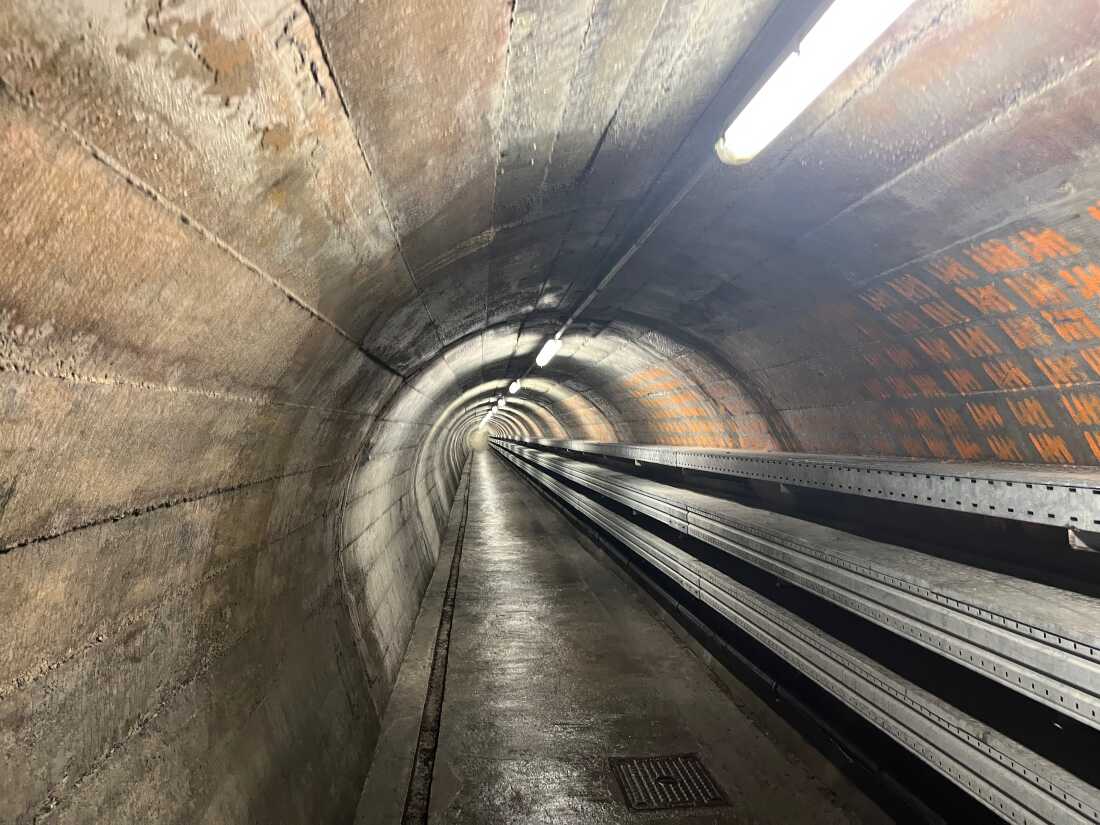
A discreet entrance in a Lucerne playground leads to the Sonnenberg nuclear bunker, the largest in the world. This massive underground facility was built to shelter 20,000 people in case of nuclear disaster. Constructed during the Cold War, it was designed to house a third of Lucerne’s population at the time.
History and Design
The bunker was constructed in the 1970s amid Cold War tensions. Swiss officials believed the neutral country would escape a direct nuclear hit. However, fallout from neighboring nations posed a threat. Diesel generators were installed, providing two weeks’ worth of power.
Modern Perspectives
Switzerland, maintaining a network of over 370,000 bunkers, has ensured shelter for its entire population of 9 million. In 2011, following Japan’s nuclear disaster at Fukushima, the Swiss parliament upheld the bunker system. Every residence either includes a bunker or contributes toward a nearby one, costing citizens between $1,700 and $3,500.
Current Uses
Though initially intended for nuclear protection, these shelters serve other functions in peacetime. They become wine cellars, saunas, or like at the University of Bern, storage spaces. History professor Silvia Berger Ziauddin notes that Switzerland’s bunkers emphasize the nation’s long-held idea as an ‘island of calm’ amidst global turmoil.
Education and Awareness
Swiss schools include civil defense education. Students spend a week learning about bunkers, culminating in drawings and discussions about life in and above the shelters.
Challenges and Adjustments
The Sonnenberg bunker received a capacity downgrade in 2002, from 20,000 to 2,000, repurposing areas for refugees and the homeless. It highlights issues of scale and function, never being used for its initial nuclear protection purpose. The government spends millions annually maintaining these facilities for potential future needs.
Esme Nicholson contributed to this report from Berlin.