Woman Experiences Withdrawal Symptoms After Stopping Contraceptive Injection
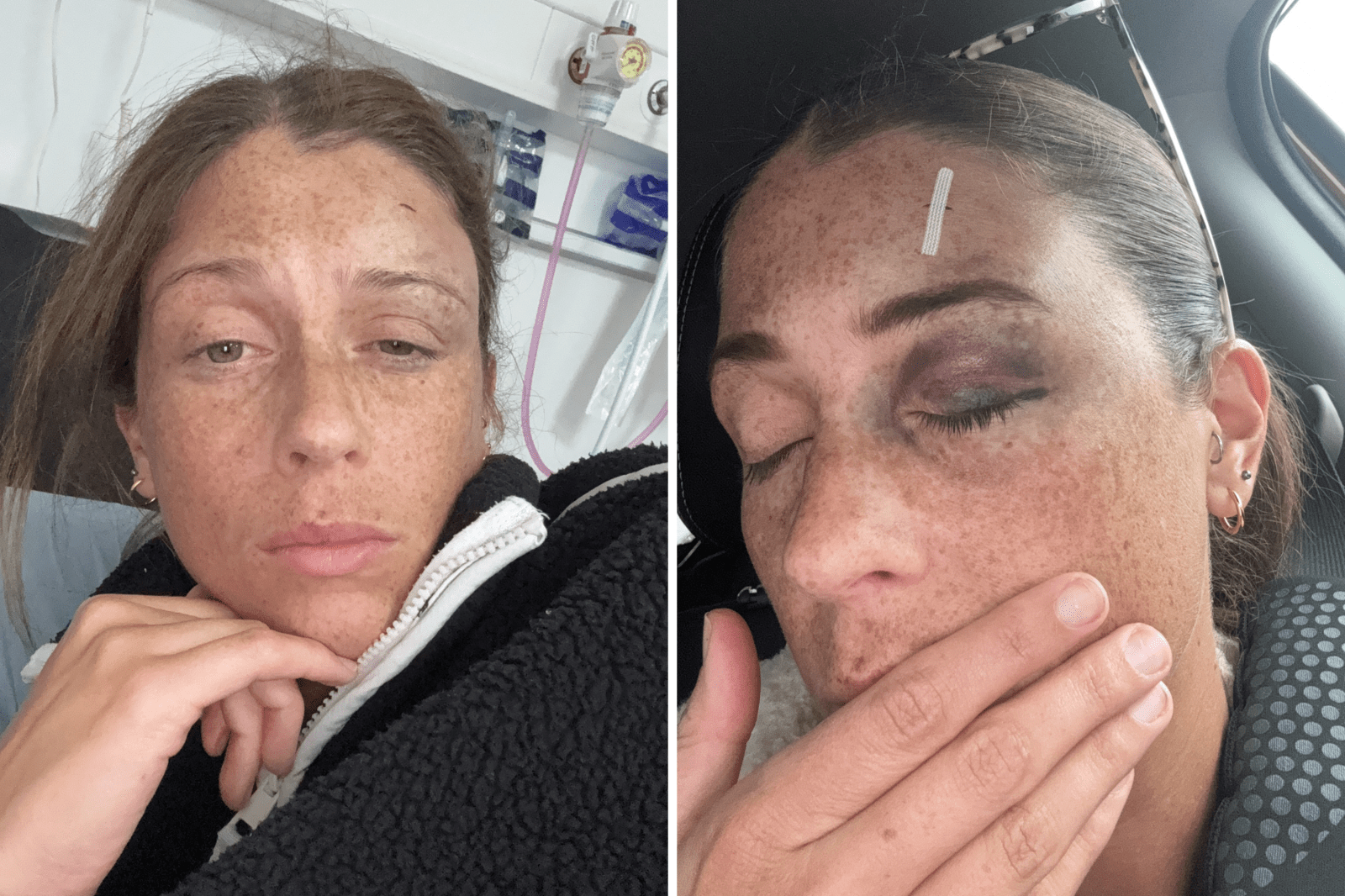
Sarah Watson, a 30-year-old mother from Scotland, stopped using the Depo-Provera contraceptive injection after learning it was linked to benign brain tumors. Shortly after discontinuing the injection, she experienced concerning symptoms. Watson began feeling unwell and later collapsed in her home, requiring medical treatment.
Following the halt of Depo-Provera, Watson noted unusual symptoms like headaches, dizziness, and strange sensations similar to head rushes. She reported to Newsweek, “I was sick three times and constantly felt tired.” Despite seeking medical advice, her doctor initially misattributed these symptoms to anxiety, prescribing medication for the same.
Misdiagnosis and Hospital Visit
Watson expressed skepticism regarding the anxiety diagnosis. She insisted there was a different cause to her discomfort. Her condition escalated, leading to a dramatic event where she lost consciousness after hitting her head. “I got out of bed to go to the toilet,” shared Watson. “I switched the light on, and collapsed, hitting my head on drawers. I was unconscious for about a minute.” After regaining consciousness, she found herself with a head injury and was deeply shaken, particularly as a single mom, fearing for her and her children’s safety.
An ambulance arrived hours later, and Watson received treatment in the hospital for a concussion and head wound. A CT scan revealed no signs of meningioma, though her explanation about ceasing the contraceptive injection made her symptoms clearer to the doctors.
Medical Insights Into Depo-Provera Side Effects
Dr. Julie Hammond, a general practitioner, provided insights to Newsweek regarding experiences post-Depo-Provera cessation. Hormone levels, she explained, usually normalize as the brain continues to signal ovaries to resume estrogen production and egg release. This transition is often lengthy, marked by hormonal fluctuation, and may lead to irregular or heavier bleeding.
Dr. Hammond added that hormone changes could affect mood and energy levels. The symptoms Watson experienced, while medically not formally recognized as withdrawal syndrome, correspond with physiological changes during hormone adjustment. The U.K.-based digital health platform founder further stated, “I would not dismiss a woman’s account of ‘withdrawal’ symptoms after Depo. Her symptoms are possibly real and can be explained by changing hormone levels.”
Initiating the Change
Watson, coordinating activities for her work, opted for the injection over two years ago after becoming pregnant with twins despite using a contraceptive pill. Initially informed that weight gain was the primary side effect, she only learned of the meningioma risk recently. Consequently, she immediately decided against continuing the contraceptive and missed her scheduled April appointment.
Updated warnings underscore the risk associated with prolonged use of medroxyprogesterone acetate. According to the Centers for Disease Control and Prevention (CDC), in a study of nearly 64,000 sexually active women aged 15 to 49, 24.5% reported using the three-month injectable contraceptive. These alerts come in light of research linking the medication to meningioma tumors. The risk increases with extended use
, advises Pfizer’s patient information, cautioning those affected to monitor symptoms such as vision changes or seizures.
A Pfizer spokesperson asserted to Newsweek, “Patient safety is our priority. Continuous monitoring of our medicines, including Depo-Provera, is crucial.” With its approval spanning over 60 countries for 30 years, the drug maintains a significant efficacy and safety record. However, users experiencing any side effects should seek professional consultation to address concerns.