Understanding the Push for Testosterone Screening and Therapy
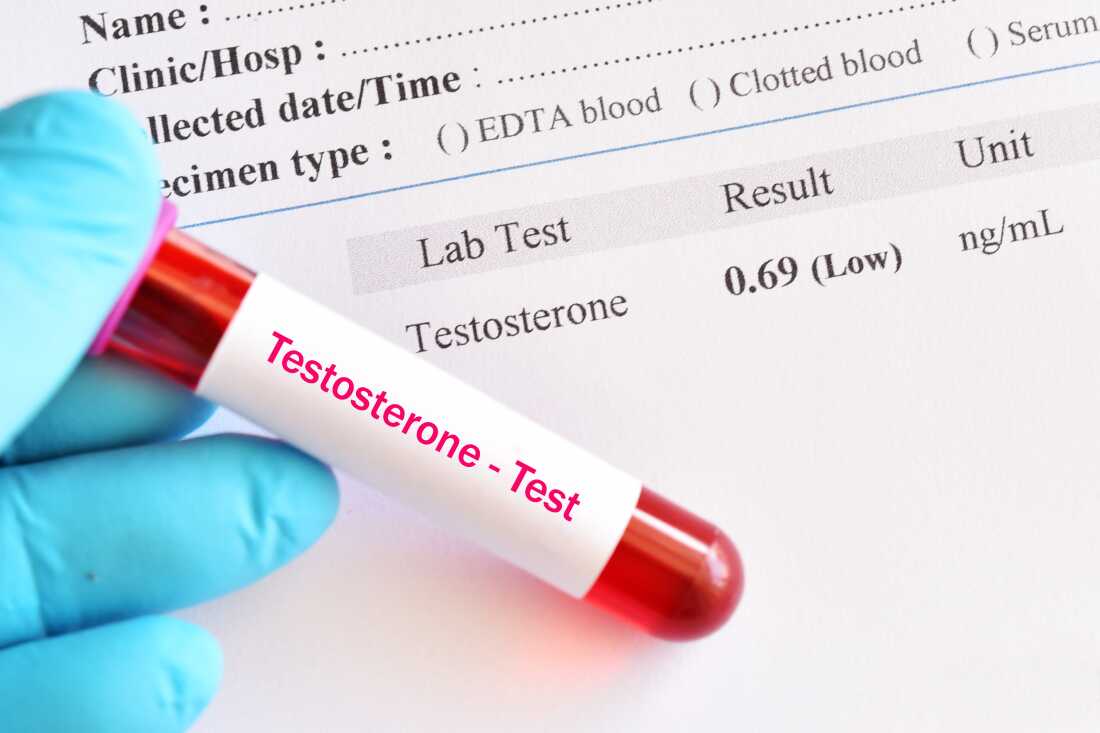
The military is planning to start testing service members for low testosterone levels, while social media is filled with discussions on testosterone therapy. Dr. Jamin Brahmbhatt, a urologist at Orlando Health, knows well the buzz surrounding testosterone as he treats men with low levels regularly. Although he once suspected his own levels were low, tests showed otherwise, attributing his symptoms to sleep and stress issues instead.
Prominent figures like Joe Rogan and Robert F. Kennedy Jr. openly discuss their use of testosterone therapy, leading to a surge in online clinics offering prescriptions. This rise in interest brings attention to men’s health and hormone replacement therapy, often overlooked in the past. Brahmbhatt notes that some men self-diagnose based on online content before consulting a physician, emphasizing that testosterone treatment isn’t necessary for everyone.
Symptoms and Causes of Low Testosterone
Testosterone impacts more than sexual health. It’s crucial for metabolism, bone and muscle health, red blood cell production, and cognitive functions. Dr. Helen Bernie, of Indiana University, highlights its role in men’s overall health. Symptoms of deficiency, known as hypogonadism, include mood changes, fatigue, reduced libido, weight gain, and concentration difficulties. Causes range from genetic disorders and pituitary gland dysfunctions to age-related decline, obesity, diabetes, sleep apnea, and substance abuses.
Access to Testosterone Therapy
Despite historical associations with sports doping and steroid misuse, the focus shifts towards promoting wellness and performance through therapy. But Bernie warns against seeing testosterone as a remedy for peak performance or youth extension. Instead, it should restore normal function in men with genuine deficiencies.
The Federal Drug Administration (FDA) currently approves therapy only when linked to identifiable conditions, but recent proposals seek broader access for men with low testosterone, regardless of cause, if it’s symptomatic. Dr. Martin Miner supports such expansions, advocating treatment based on symptoms rather than specific causes.
Concerns exist about these proposed changes, with some experts wary of expanding drug access prematurely due to potential unintended consequences. Dr. Steven Woloshin stresses the need for more research on long-term effects and safety.
Debates Over Testosterone Safety
In the 2000s, testosterone prescriptions soared, driven by topical treatments and aggressive marketing. Concerns about heart attack and stroke risks led the FDA to demand safety studies. A key trial in the New England Journal of Medicine found no heightened cardiovascular risks with appropriate dosing but recognized the need for further research. Concerns remain about overstated benefits, particularly regarding longevity.
Benefits of Testosterone Therapy
Data from a 2016 trial show improvements in libido, sexual function, energy, and bone density among men over 65 with low testosterone. Guidelines suggest therapy only after diagnosing symptoms and confirming low levels via tests. However, studies reveal some clinics ready to prescribe without proper testing, impacting patient safety and fertility due to suppressed sperm production.
For many, lifestyle adjustments offer an alternative solution, though challenges exist. George Bove, 60, noted significant life improvements after starting therapy despite initial hurdles in finding the right dosage.