Lindsay Clancy Trial: Key Testimonies and Developments
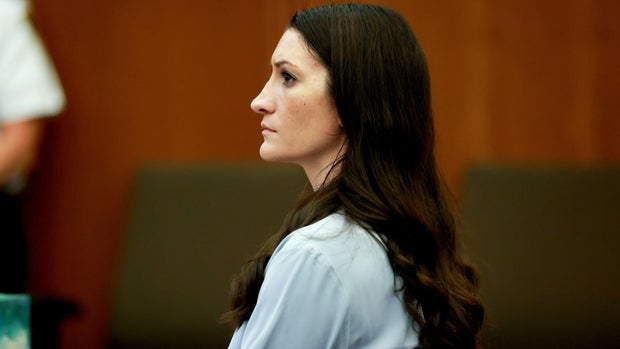
The trial of Lindsay Clancy continues in Plymouth Superior Court, entering its 12th day. Clancy, 36, faces charges of first-degree murder for the deaths of her three children on January 24, 2023, at their Duxbury home. Clancy has pleaded not guilty.
Testimonies from Mental Health Professionals
Mental health counselor Latiesha Dukes testified, sharing insights from her sessions with Clancy in late 2022. Dukes, who worked with Clancy at South Shore Hospital, reported Clancy suffered from anxiety, lack of sleep, and suicidal thoughts. Clancy was recommended outpatient therapy and medications initially. In early December, Dukes suggested partial hospitalization after Clancy expressed intrusive suicidal thoughts.
Dukes observed improvements in Clancy’s mood by mid-December. During a telehealth visit, Clancy appeared more engaged and interacted positively with her family. Dukes’ testimony highlighted Clancy’s struggles with postpartum anxiety.
Earlier in the trial, psychiatric nurse practitioner Rebecca Jollotta also testified about her sessions with Clancy, focusing on postpartum challenges. Jollotta’s testimony contributes to a broader understanding of Clancy’s mental state leading to the incident.
Investigations by Law Enforcement
Sgt. Dan Lawlor, a Massachusetts State Police investigator, recalled the night of the children’s deaths. He visited Clancy at South Shore Hospital, who was injured and unable to speak. Lawlor’s testimony also included his presence at Boston Children’s Hospital for updates on the youngest child’s condition.
During cross-examination, defense attorney Kevin Reddington questioned Lawlor about restricted access to Clancy’s hospital room. Reddington highlighted a court order for psychologist Paul Zeizel to meet with Clancy, potentially influencing her account of events.
Legal Arguments and Theories
The defense claims Clancy was overmedicated and struggled with postpartum psychosis, which should exempt her from criminal responsibility. In contrast, prosecutors argue Clancy planned the murders and pretended a suicide attempt.
Conversations among investigators about Clancy’s statements while hospitalized were discussed in court. Reddington suggested speculation about Zeizel’s influence on Clancy’s testimony. Lawlor indicated these discussions were speculative rather than evidence-based.
Prosecutor Shanan Buckingham questioned Lawlor’s discussions about the case, asking if they guided his testimony. Lawlor clarified that conversations did occur but did not influence his statements.
Potential Outcomes
If found guilty, Clancy faces life imprisonment without parole. Alternatively, a finding of not criminally responsible may result in her commitment to a state psychiatric hospital.
For those in emotional distress, support is available through the 988 Suicide & Crisis Lifeline at 988. The National Alliance on Mental Illness HelpLine offers additional resources at 1-800-950-NAMI (6264) or via email at [email protected].