New World Screwworm Infestations in the U.S.
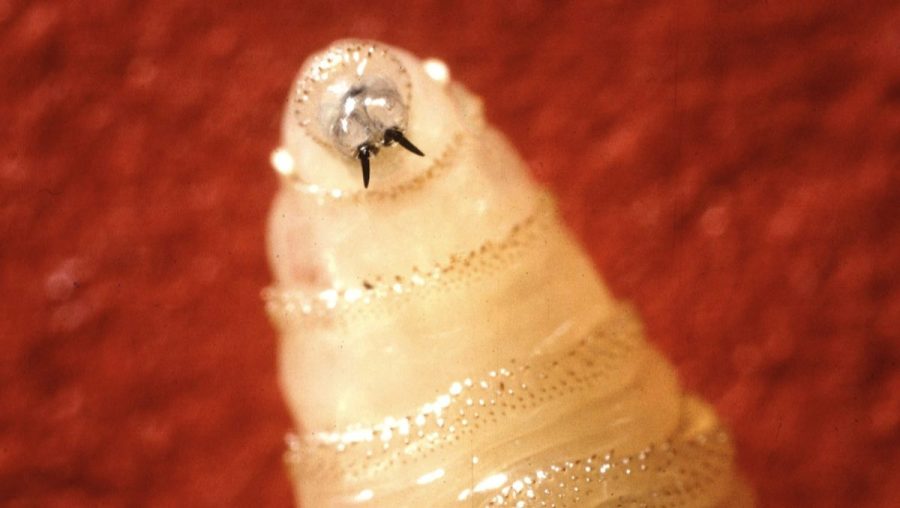
The United States Department of Agriculture reports an alarming increase in New World screwworm infestations, totaling 45 cases in August. Terrell County, Texas, recently confirmed the latest case involving a domesticated sheep.
Since its entry into the U.S. this summer, the screwworm has only affected animals such as cattle, sheep, and dogs. Despite humans traditionally being safer, screwworm flies can lay eggs on any warm-blooded animal, including people. The eggs develop into parasitic larvae (maggots) that consume surrounding flesh as they burrow. An untreated infestation can be life-threatening.
This parasite differs from cyclospora, as it cannot be contracted through food. Screwworm flies lay eggs in live tissue, existing wounds, or in hosts’ facial orifices. The CDC highlights that even wounds from tick bites may attract egg-laying female flies. One fly can lay up to 3,000 eggs over its lifespan.
While cyclospora is more common, people face greater exposure risks to the New World screwworm, particularly those frequently outdoors or near animals, and those with open wounds.
Treatment requires clinicians to extract eggs and larvae, sometimes necessitating surgery for deeply embedded maggots. Agricultural authorities aim to control the screwworm’s spread, protecting the cattle industry. Most infestations are located in Texas, with one case in New Mexico.
The Department of Agriculture is deploying sterile flies to prevent screwworm reproduction, and the FDA has granted emergency authorization for a preventative medication.