Understanding Your Dog’s Curiosity
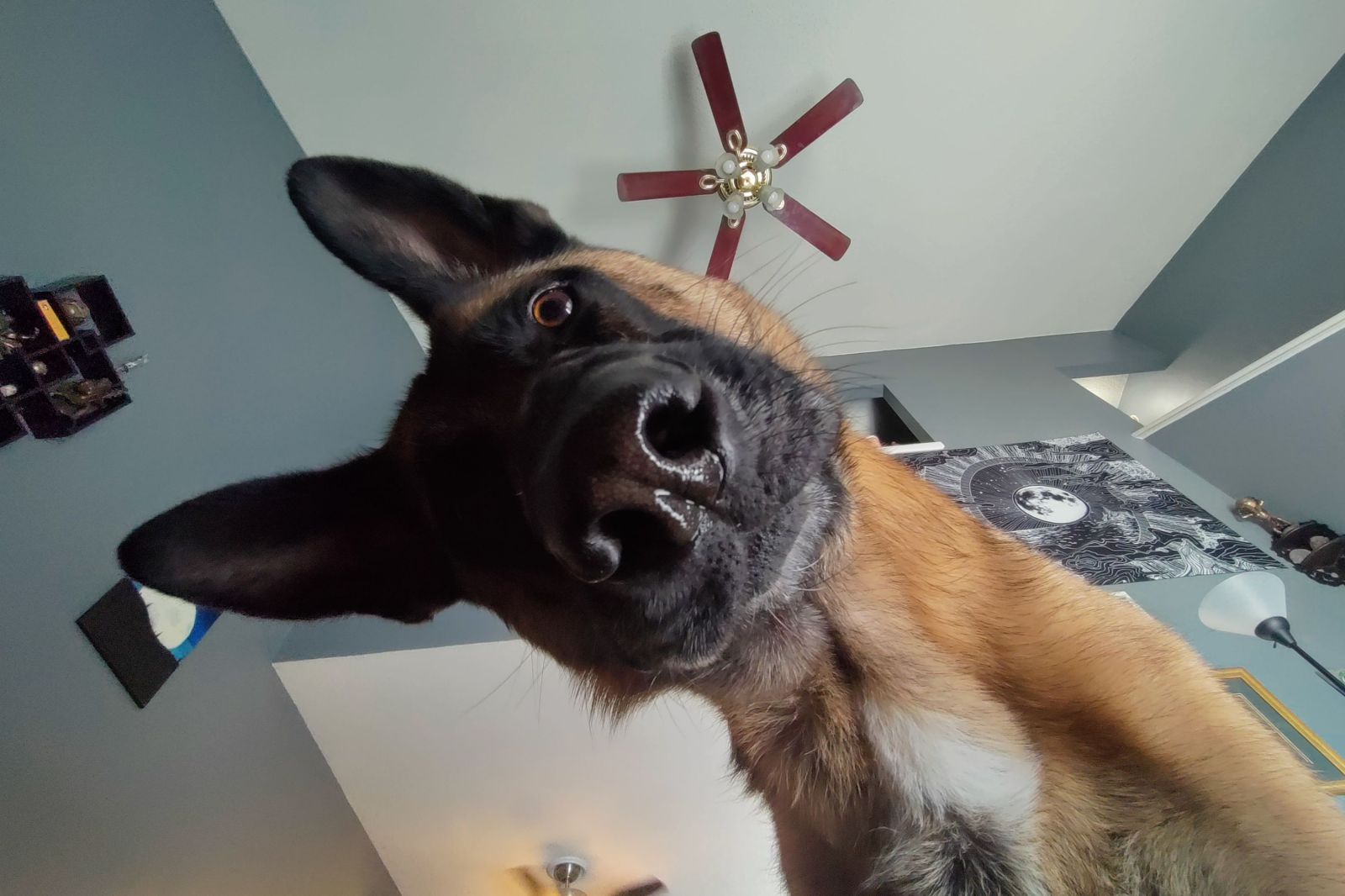
Dogs are often described as “nosy,” especially if they are quick to investigate unusual noises, sniff guests’ bags, or peer over fences. This behavior reflects their curiosity and interest in understanding the world. Dr. Noe Galvan, a board member of Fetch Pet Veterinary Advisory, highlights that curiosity and nosiness serve similar purposes for dogs as they gather information. Their perceptiveness is strong.
What Makes a Dog Curious?
Dogs perceive their surroundings primarily through smell. While humans rely on sight, dogs use their noses to explore and understand their environment. Sniffing a new area might help them discover who was there before and what events occurred. Signs of a curious dog include a neutral body stance, erect ears, focused eyes, and constant sniffing.
“Dogs are extremely perceptive,” said Dr. Galvan. “They collect intelligence about their surroundings through sniffing. Possible signs of curiosity include keeping their body in a neutral position, ears erect, eyes on strangers or unfamiliar environments.”
Additional signs identified by Wag, a pet care app, are:
- Tasting and licking objects
- Listening closely
- Pawing at objects
- Observing unfamiliar individuals or animals
- Growling or barking
Curious dogs might pace along fence lines or explore areas marked by other pets, gaining insights about previous visitors.
Why Some Dogs Investigate More Than Others
Not all dogs exhibit curiosity at the same level. While no specific breed is universally more curious, certain breeds have traits developed for hunting, tracking, herding, or working. These traits can cause differing expressions of curiosity. Scent-driven dogs might follow a trail outdoors, while others might respond to a household noise hoping for a treat.
Curiosity may stem from training, scent instincts, social curiosity, boredom, or an innate drive to explore. While dogs have a keen sense of smell, how they react can depend on their motivation and training. Working dogs, like police and bomb detection dogs, for instance, showcase trained responses to scents.
When Curiosity Becomes a Problem
Though generally healthy, curiosity can lead dogs into risky scenarios. For instance, a curious dog might encounter wildlife while hiking. However, their alertness can also be beneficial by warning owners of potential threats.
Issues arise if a dog cannot disengage from what catches their attention. Identifying whether a dog is curious or anxious requires careful observation of their behavior.
Is My Dog Curious or Anxious?
Investigative behavior doesn’t always equate to curiosity. Some dogs may be anxious. Owners should note distinctions between curiosity and anxiety. Stress indicators include difficulty relaxing, repetitive behaviors, whining, panting without a reason, and constant following.
“A stressed dog may have trouble settling down,” Dr. Galvan noted. “A curious dog will usually investigate and then resume their routine.”
How to Channel a Curious Dog’s Behavior
Dog owners can nurture their pets’ curiosity through enrichment and training. Providing a stimulating environment can help channel a dog’s drive positively. High-drive breeds especially benefit from extra sniffing opportunities on walks, puzzle toys, training exercises, hide-and-seek activities, and scent-based exercises.
Ultimately, when a dog investigates every sound, visitor, or suspicious aroma, they are simply engaging with their environment. They are doing what dogs excel at: exploring and learning.