Florida Senate Race: Progressive Democrat vs. Trump-Backed Republican
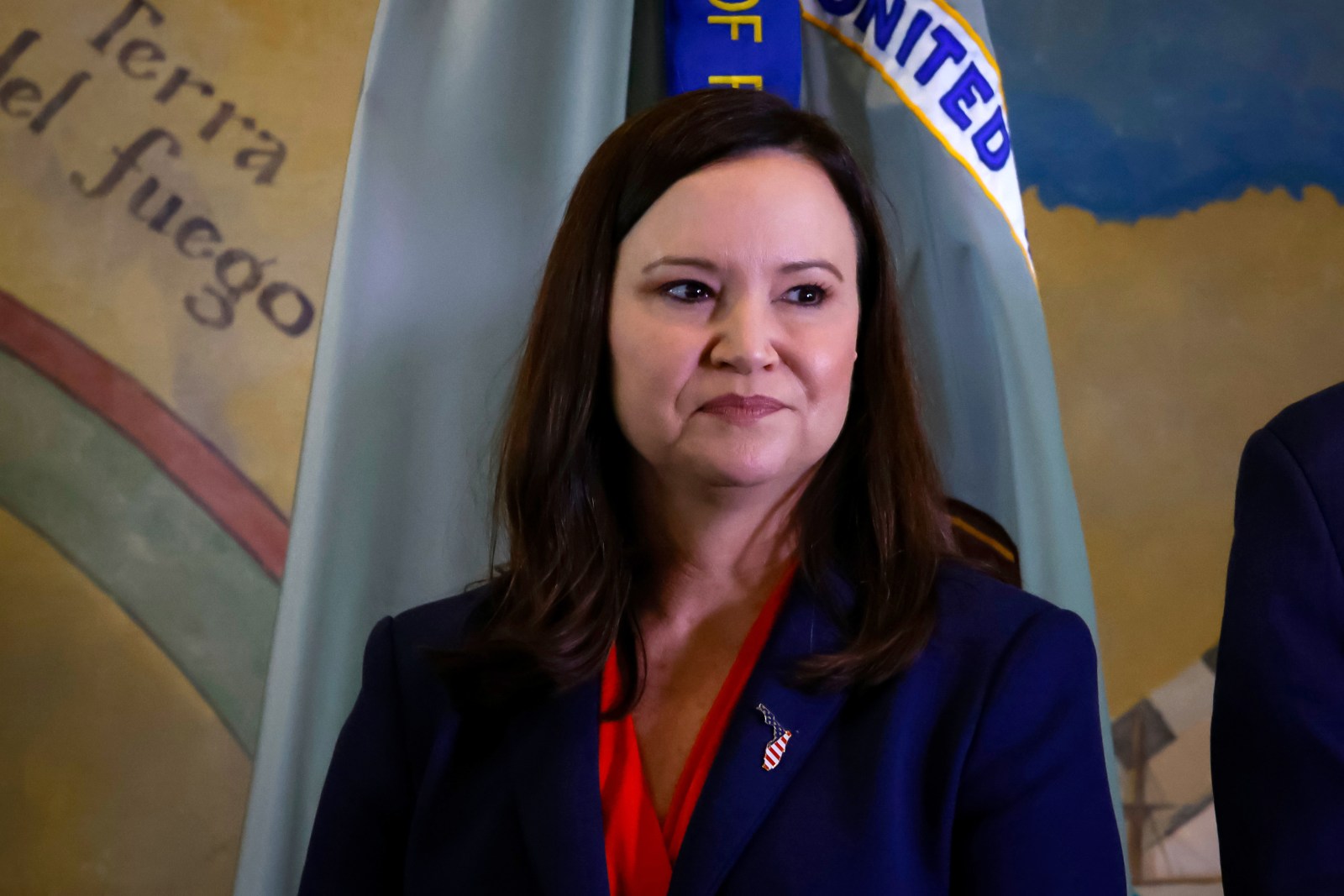
The upcoming Senate race in Florida serves as a key test for progressive influence. It features a progressive Democrat against a Trump-supported Republican in Donald Trump’s home state. Ashley Moody, appointed by Governor Ron DeSantis to fill Marco Rubio’s former seat, now faces her first statewide election as the incumbent. This provides her with an advantage, yet Democrats see a chance to claim the seat Rubio held for over ten years.
Angie Nixon recently won the Democratic primary, securing 55.2% of the vote with 83% counted when the race was concluded. Nixon defeated Alexander Vindman in this primary. As Miami native and former union organizer, Nixon has spent her career advocating for Florida’s families. Senate Democratic Leader Chuck Schumer and Democratic Senatorial Campaign Committee Chair Senator Kirsten Gillibrand expressed support, highlighting Nixon’s record in a statement to Newsweek.
The Democratic Party faces a challenging path. Over the last decade, Florida has leaned Republican, with the GOP registering more voters and winning most major statewide elections. Polls indicate Moody is favored to win, though the margins are closer than in recent elections.
Nixon’s Campaign and Progressive Appeal
Nixon enters as one of Florida’s prominent progressive Democrats. Known as a grassroots organizer, she frequently criticizes DeSantis and the Republican Legislature. Her campaign focuses on reducing expenses, raising wages, and expanding healthcare access. She aims to engage working-class voters who often skip elections. Nixon’s alliance with labor and progressive organizations boosts her position as the choice for the Democratic Party’s activist base.
A University of North Florida survey showed Moody leading Nixon 50% to 42% in a hypothetical matchup. In comparison, at this time in the 2022 election, Rubio trailed Democrat Val Demings by four points but eventually won 57% of the vote. Current betting odds on platforms like Polymarket and Kalshi show Republicans with high chances of winning.
Democrats hope progressive messaging might energize their base and draw frustrated working-class Floridians. Nixon argues that issues like affordability provide Democrats with a strong platform amid rising housing and insurance costs.
Challenges and Historical Context
Despite her stance, Nixon faces obstacles. Republicans label her as far-left. Florida’s voters, especially in South Florida’s Cuban American and Venezuelan American communities, resist progressive branding. Fundraising also poses a challenge, as Nixon has collected less than Moody and Vindman. Florida’s costly media campaigns need substantial financial backing, often requiring national support.
Nixon’s success relies on high Democratic turnout and persuading independents to prioritize economic over ideological concerns. While possible, this path remains difficult in a state trending Republican.
The last Democrat to win a U.S. Senate seat in Florida was Bill Nelson in 2012, who was later defeated by Republican Rick Scott in 2018. Republicans have since solidified their position, winning key races and holding a voter-registration advantage.
To win, Nixon needs to overcome Moody’s incumbent status and reverse a long-standing Republican trend. Despite Moody’s current lead in polls, financial resources, and history, Democrats regard the race as worth pursuing given affordability issues and uncertain national political dynamics.