Trump Administration Seeks to End ‘Roadless Rule’ for Public Forests
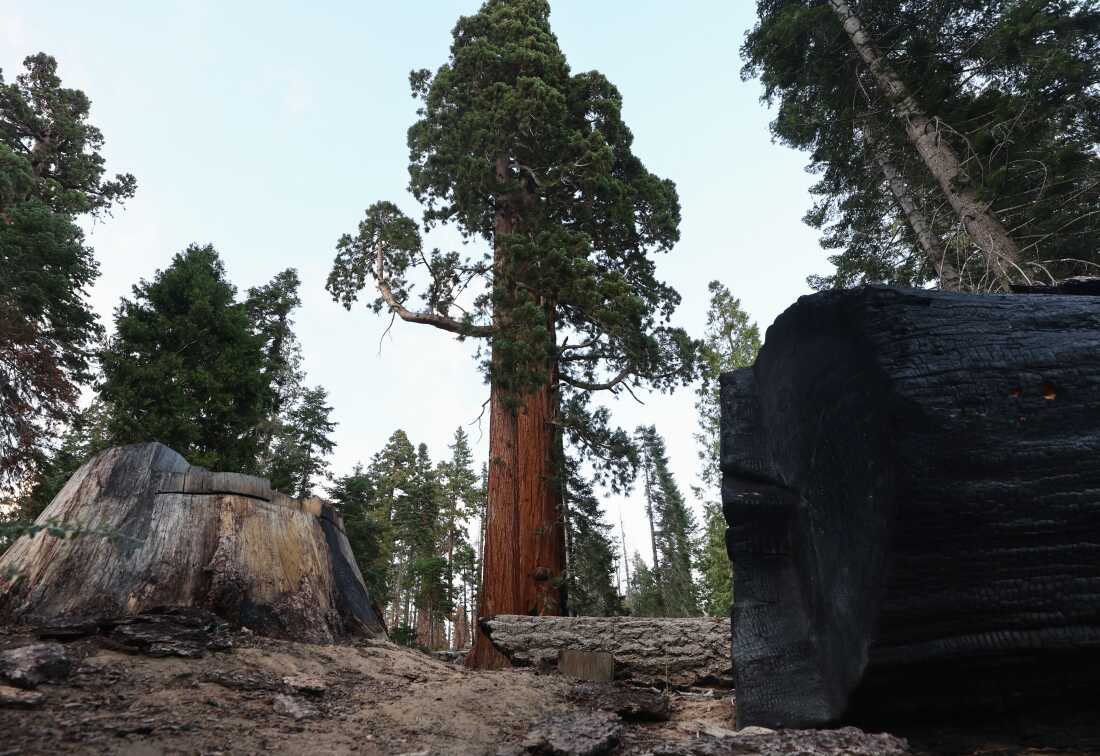
A grand sequoia tree, measuring 70 feet in circumference, stands prominently beyond small trees along the Trail of 100 Giants in Sequoia National Forest, California, as observed on August 25, 2022. This majestic tree symbolizes the ongoing debate between conservation and economic development.
The Trump administration announced plans to roll back the ‘roadless rule’, an environmental regulation introduced by the Clinton administration in 2001. This rule currently restricts road construction, logging, and mining across tens of millions of acres of public forest land. The debate over this rule has persisted for 25 years, particularly in Western states.
U.S. Department of Agriculture Secretary Brooke Rollins expressed the administration’s stance, highlighting the need to enhance forest health and productivity. This proposed rollback has garnered support from several Republican governors, including Montana’s Greg Gianforte, Utah’s Spencer Cox, and Wyoming’s Mark Gordon. They argue that removing the rule offers flexibility to manage each forest based on specific community needs.
“We can protect the landscapes we treasure by actively managing them for the next generation,” said Utah Gov. Spencer Cox.
Nonetheless, advocates for the roadless rule view it as a key element of U.S. conservation efforts. The rule limits industrial activities, thereby preserving habitats across vast areas of public lands. Drew Caputo of Earthjustice emphasized the significance of the rule, describing it as the most critical land protection measure in 60 years.
While the Trump administration claims economic benefits from the proposed change, supporters of the roadless policy argue it curbs unprofitable timber sales previously subsidized by taxpayers. Steve Ellis of Taxpayers for Common Sense noted that repealing the rule could exacerbate the U.S. Forest Service’s $6 billion road maintenance backlog.
The proposal comes amid a severe wildfire season affecting Western states. Federal lands, including those under the roadless rule, face increased risk from preventable conditions such as overgrown vegetation, insect infestations, and diseases.
Nick Smith, from the American Forest Resource Council, endorsed the rollback. “More roads mean better access for fire crews to combat forest fires,” he stated.
However, Caputo from Earthjustice pointed out research indicating that human activities cause over 80% of wildland fires. He suggested that more roads could heighten the risk of fires, given the increased likelihood of human presence.
The low snowpack in the mountains, coupled with drought and high temperatures, has worsened wildfire conditions. Climate change plays a role in these environmental challenges.
Public comments on this proposed change are open until September 21, 2026. This attempt to end the roadless rule is part of a broader effort by the Trump administration to reduce environmental protections, including changes to the Endangered Species Act and allowing commercial fishing in Pacific Ocean national marine monuments.