The Influence of Exercise Context on Dementia Risk
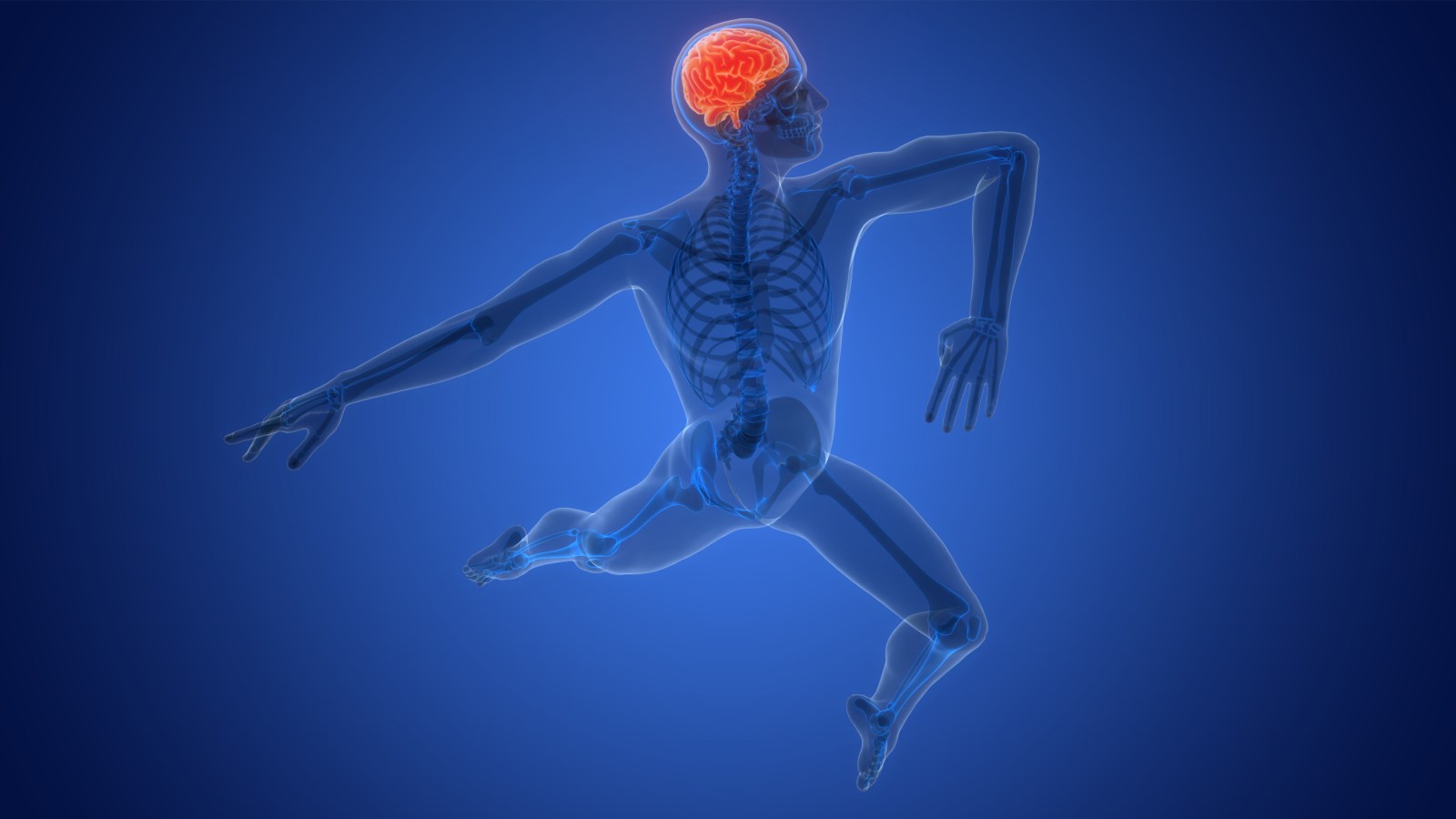
Researchers have long understood that regular physical activity reduces the risk of dementia. A recent study reveals that the environment and method of exercise influence the effectiveness of physical activities.
A meta-analysis of over 4.2 million individuals highlights that leisure activities like walking, running, and sports significantly lower dementia risk. Conversely, physical activity at work may increase dementia risk.
Natan Feter, the study’s first author, explained to Newsweek, “Occupational physical activity often occurs in health-adverse environments with increased exposure to air pollution and stress.”
The study, featured in The Lancet Public Health, delves into the concept known as the “physical activity paradox”. This paradox, already noted in cardiovascular research, suggests that physically demanding jobs do not offer the same health benefits as recreational exercise. The study’s findings suggest that social, economic, and environmental factors might play a significant role in this paradox.
Leisure-Time Exercise and Dementia Risk
The Alzheimer’s Association estimates 7.4 million Americans are affected by Alzheimer’s dementia. David Raichlen led the research, which involved data from 74 studies with participants from 30 countries. These studies followed individuals aged 45 to 93 for an average of 10 years, monitoring all-cause dementia, Alzheimer’s disease, and vascular dementia incidents.
The study discovered that those active in their leisure time were 24% less likely to develop dementia compared to inactive individuals. The effect of household physical activity appeared beneficial, but this result was from a single study. Occupational physical activity was linked to a 20% increased risk of dementia.
Feter noted, “These results challenge the belief that every physical movement benefits brain health.”
Work versus Leisure
Researchers caution against treating all physical activities as a single category. Exercise, manual labor, commuting, and housework, while all involving physical movement, occur under very different conditions and impact long-term health differently. Occupational activities often entail repetitive and low-complexity tasks, exposing workers to hazards such as pollution. Meanwhile, leisure activities are often self-selected and socially engaging, offering a more varied experience.
Feter pointed out that the factors influencing physical activity access are multi-dimensional, involving social and commercial determinants.
Those in manual labor jobs often experience more stress, less job control, and hazardous working conditions, increasing their dementia risk. Additionally, these workers have less opportunity for recreational exercise due to fatigue and time constraints.
The study observed distinct patterns in leisure and occupational activities. While more leisure-time exercise correlated with reduced dementia risk, higher occupational physical activity corresponded with increased risk.
Further Research Needed
The study authors highlighted limited evidence on household activity and active commuting, making conclusions difficult for these areas. Most analyzed studies originated from high-income countries, even as lower-income regions face rising dementia cases.
Recall bias might influence the study’s reliability, as participants self-reported physical activity. However, consistent findings across various analyses suggest the association merits attention.
Findings underscore the importance of exercise context. Leisure activities, regardless of age or health, reduced dementia risk, while occupational activities increased the risk.
Previous research in Alzheimer’s & Dementia indicated mentally engaging sedentary activities, such as desk work, benefit brain regions more than passive ones like watching TV.
To improve public health and dementia prevention, future efforts should address the conditions of physical activity, not just emphasize more movement. Accessible parks and safe environments for exercise, as well as reducing workplace hazards, are key strategies.
Raichlen remarked, “The context of physical activity is as crucial as the activity itself for brain protection.”