The Path to 9/11: Plans and Key Decisions on August 19, 2001
In this continuation of Newsweek’s series tracing the lead-up to the 9/11 attacks, we explore significant events from August 19, 2001. On this day, Mohammed Atta and Ramzi bin al-Shibh engaged in discussions across continents about targets planned for attack.
During interrogations at Guantanamo, bin al-Shibh disclosed details of their coded communication, which he revealed was conducted under the guise of an academic conversation. As noted by Donald Rumsfeld in his memoir Known and Unknown, the code included references such as “architecture” for the World Trade Center, “arts” for the Pentagon, “law” for the U.S. Capitol building, and “politics” for the White House.
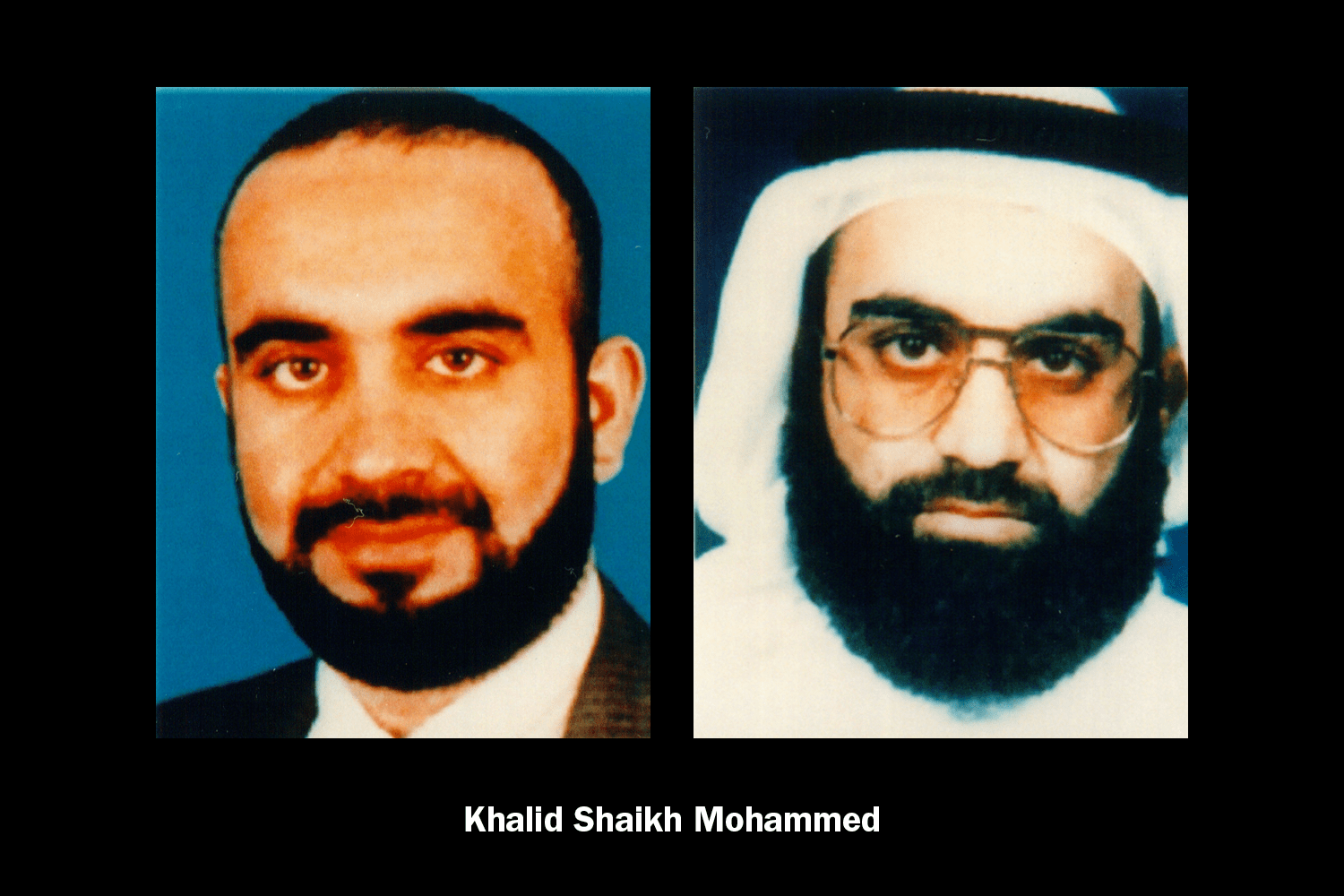
From the inception of their mission in 1999, when the group based in Hamburg received their mandate to enact the plane attacks, al-Qaeda leaders directed them to target a political, a military, and a financial site. Initial choices focused on the White House, Pentagon, and World Trade Center. Osama bin Laden specifically wanted the Capitol hit, citing it as the heart of American support for Israel. However, as Khalid Sheikh Mohammed later informed the CIA, final decisions were entrusted to Atta, who evaluated the practicalities on site.
With four pilots at his disposal, Atta strategized to hit all specified targets simultaneously in the U.S. Atta, together with Marwan al-Shehhi, visited key locations including the World Trade Center and Washington D.C., touring the Pentagon to inform their plans. Upon assessment, Atta perceived the White House as a challenging target, smaller than anticipated and flanked by larger structures like the Treasury Department and the Eisenhower Old Executive Office Building. The alternative targets were notably large and more open.
According to Khalid Sheikh Mohammed’s recollections, corroborated by FBI analyses, Atta and al-Shehhi resolved to conduct their attack on the Twin Towers concurrently, with Washington targets to follow quickly. Hani Hanjour would depart from Dulles International Airport targeting the Pentagon, while Ziad Jarrah would launch from Newark aiming for the Capitol dome. Bin al-Shibh, pressing during their August dialogue, urged Atta to reconsider retaining the White House as a target, though Atta expressed doubts regarding its feasibility.
This strategic planning is essential in understanding what transpired on 9/11 and why deviations mattered. The simultaneous strikes on both Towers were crucial to their eventual collapse, as the dispersed fuel, debris, and heat compounded the destruction. Engineers assert that a solitary strike might have left the building standing. The collateral effect was also noted with 7 World Trade Center, which collapsed due to the broader damage.
If al-Qaeda’s original scheme had perfectly unfolded, the outcomes might have varied, sparing the Trade Center complex from total ruin. Moreover, if the intent to target the White House was fulfilled, the repercussions could have profoundly altered history, potentially eliminating senior leadership and leaving lasting global impacts.
Next: Tomorrow we explore the 9/11 Commission’s insights on Said Bahaji, noted for his inconspicuous nature and shallow understanding of Islam. Yet, notable hijackers graced his wedding.