The Origin of ‘Gerrymander’: A Historical Insight
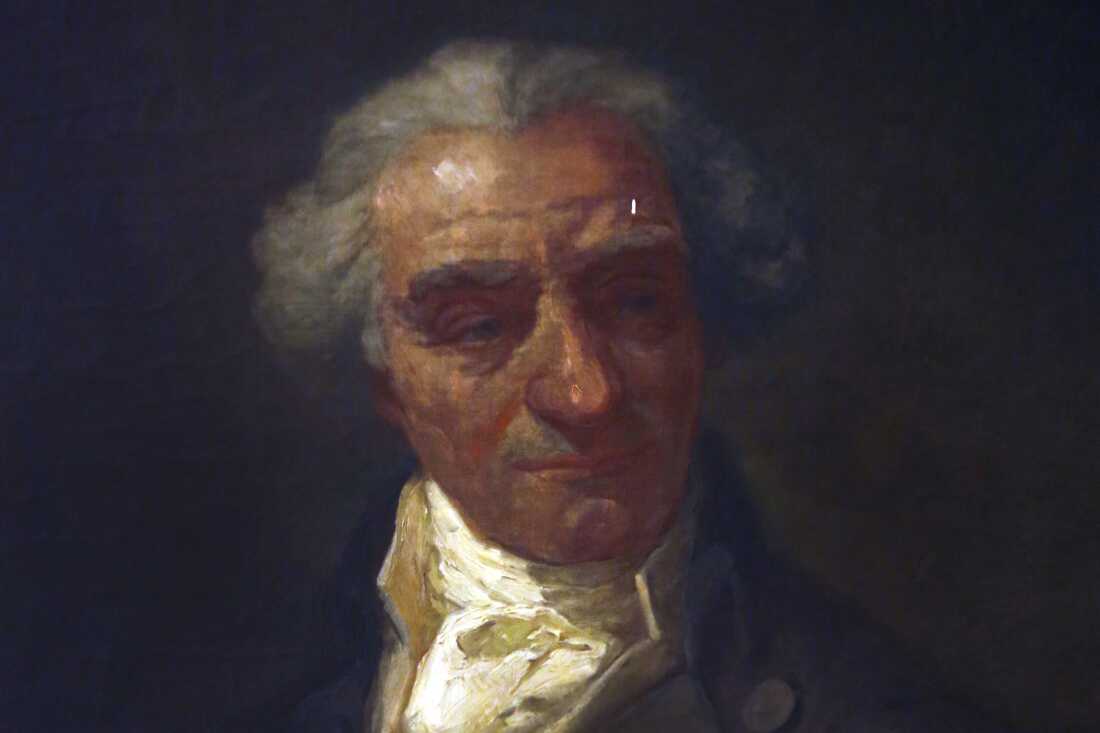
A portrait of Governor Elbridge Gerry, who gave rise to the term “gerrymander,” is displayed in the State House in Boston. In 1812, Gerry drew up a redistricting plan aimed at securing political advantage for his allies. He inadvertently coined the term “gerrymander,” now a staple in political vocabulary.
Elbridge Gerry is not as well-known as fellow Massachusetts patriots Samuel Adams and John Hancock, who signed both the Declaration of Independence and the Articles of Confederation. However, Gerry played a crucial role as an early and avid supporter of American independence from Great Britain. He was one of only three delegates who declined to sign the Constitution, partly because it initially lacked a Bill of Rights.
Historian David O. Stewart describes Gerry as “fiery,” despite being small in stature. Gerry also served as President James Madison’s second vice president but died in office within two years. John Adams noted his tendency to be stubborn even over minor issues, saying Gerry would “risk great things to secure small ones.” Although no beer bears his name and his signature isn’t as iconic as Hancock’s, “gerrymandering” ensures his legacy endures.
The term “gerrymander” stemmed from a politically motivated redistricting bill Gerry signed as governor of Massachusetts. This bill created a strangely shaped district intended to favor his Democratic-Republican Party over the Federalists. A cartoon depicted this district as a winged, clawed creature, leading to the term “Gerry-mander,” a combination of Gerry’s name and “salamander.”
Etymology expert Doug Harper points out that the term originated from both a word and a visual representation. Although not the first case of such manipulation, it has become a frequently seen issue in U.S. politics.
The practice of manipulating district lines has generated various amusing shapes, often due to pareidolia. Examples include Pennsylvania’s “Goofy kicking Donald Duck” and Illinois’ “earmuffs.” Such configurations aim to enclose particular voter groups.
The word “gerrymander” is an eponym, a term derived from someone’s name. Other eponyms include “boycott,” “shrapnel,” and “leotard.” More recent entries like “MacGyver,” from the television show character, demonstrate this linguistic phenomenon.
Despite Gerry’s contributions to U.S. independence, his name mainly survives through “gerrymandering,” a concept 250 years later. Historian Stewart remarks that nobody chooses their legacy, and being remembered is preferable to being forgotten.