SNAP Benefit Distribution for September: Key Details and Changes
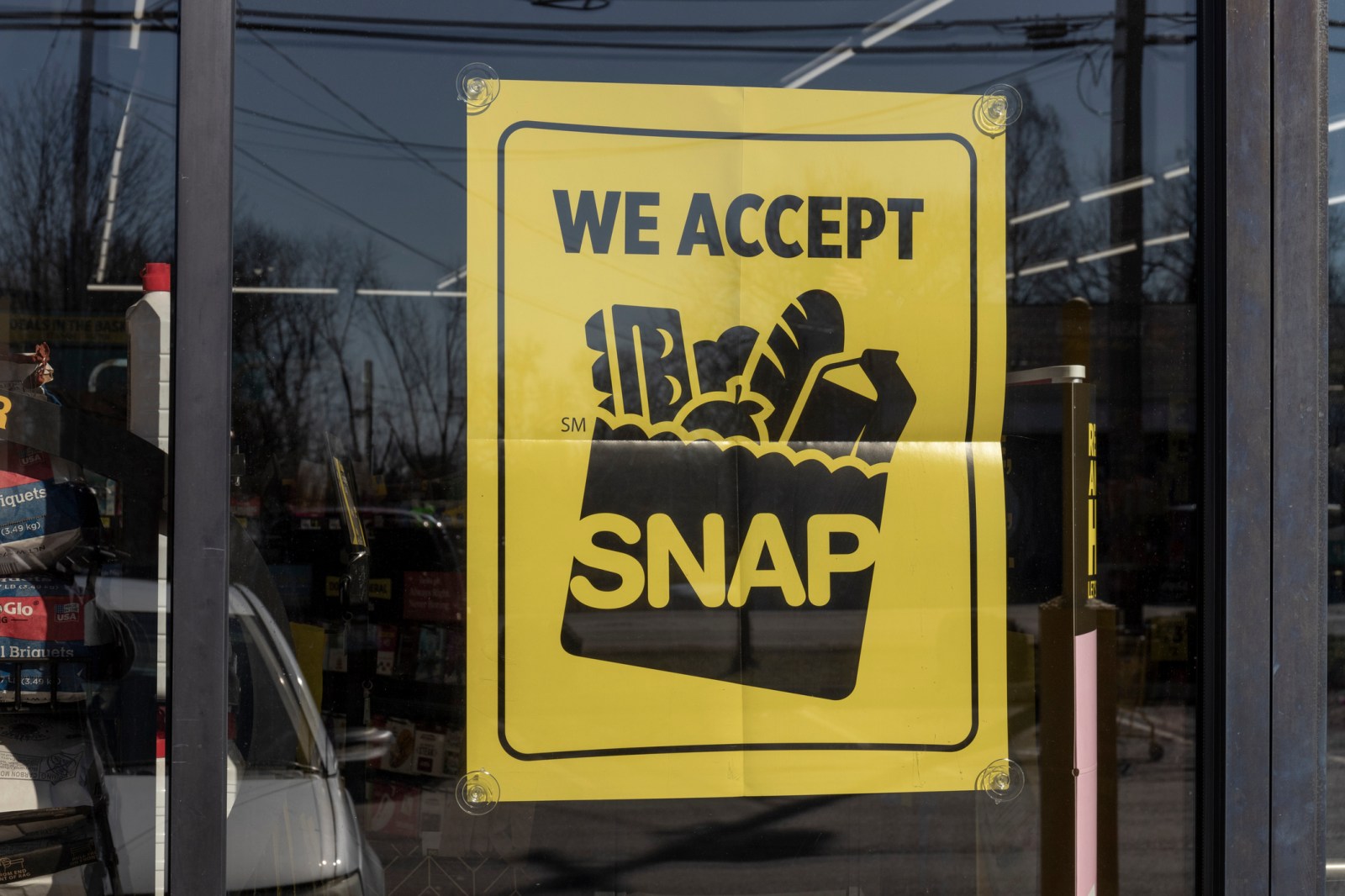
Millions of Americans receiving benefits through the Supplemental Nutrition Assistance Program (SNAP) will soon collect their September payments. Distribution schedules vary by state.
SNAP Overview
SNAP, known as food stamps, provides food assistance to eligible low-income households. The U.S. Department of Agriculture (USDA) oversees the program at a federal level, while states manage day-to-day administration. Over 37 million people in the U.S. receive these benefits.
Payments are made through an electronic benefit transfer (EBT) account. Recipients use an EBT card to purchase eligible groceries at authorized retailers.
SNAP Payment Amounts
The federal government establishes maximum monthly allotments based on the USDA’s Thrifty Food Plan. For fiscal year 2026, in the 48 contiguous states and Washington, D.C., the maximum benefits are:
- One person: $298
- Two people: $546
- Three people: $785
- Four-person household: $994
Higher maximums apply in Alaska, Hawaii, Guam, and the U.S. Virgin Islands.
As of April 2026, preliminary USDA data indicates that around 37 million people in over 20 million households received SNAP. The average benefit was $186.87 per person or $342.80 per household, totaling nearly $7 billion in benefits issued that month.
SNAP Benefits Delivery
Though federally funded, states administer SNAP and determine their issuance schedules. States typically deposit benefits into a recipient’s EBT account each month on a consistent date. There is no single nationwide “SNAP payment day.” For example, Rhode Island distributes benefits on the first day of each month, while others spread disbursements across days.
In California, benefits are distributed from day 1 to 10 based on the last digit of a recipient’s county case number. In Connecticut, payments are issued between day 1 and 8 according to the last two digits of a recipient’s client ID.
September 2026 SNAP Payment Dates
Here are the distribution dates for September 2026 in various states and territories:
- Alabama: September 4 to 23
- Alaska: September 1
- Arizona: September 1 to 13
- Arkansas: September 4 to 13
- California: September 1 to 10
- Colorado: September 1 to 10
- Connecticut: September 1 to 3
- Delaware: September 2 to 23
- District of Columbia: September 1 to 10
- Florida: September 1 to 28
- Georgia: September 5 to 23
- Guam: September 1 to 10
- Hawaii: September 3 to 5
- Idaho: September 1 to 10
- Illinois: September 1 to 20
- Indiana: September 5 to 23
- Iowa: September 1 to 10
- Kansas: September 1 to 10
- Kentucky: September 1 to 19
- Louisiana: September 1 to 23
- Maine: September 10 to 14
- Maryland: September 4 to 23
- Massachusetts: September 1 to 14
- Michigan: September 3 to 21
- Minnesota: September 4 to 13
- Mississippi: September 4 to 21
- Missouri: September 1 to 22
- Montana: September 2 to 6
- Nebraska: September 1 to 5
- Nevada: September 1 to 10
- New Hampshire: September 5
- New Jersey: September 1 to 5
- New Mexico: September 1 to 20
- New York: September 1 to 9
- North Carolina: September 3 to 21
- North Dakota: September 1
- Ohio: September 2 to 20
- Oklahoma: September 1 to 10
- Oregon: September 1 to 9
- Pennsylvania: September 3 to 14
- Puerto Rico: September 4 to 22
- Rhode Island: September 1
- South Carolina: September 1 to 19
- South Dakota: September 10
- Tennessee: September 1 to 20
- Texas: September 1 to 28
- Utah: September 5, 11, 15
- Vermont: September 1
- Virgin Islands: September 1
- Virginia: September 1 to 7
- Washington: September 1 to 20
- West Virginia: September 1 to 9
- Wisconsin: September 1 to 15
- Wyoming: September 1 to 4
Recent SNAP Developments
SNAP enrollment has decreased significantly since January 2025, when 42.82 million people received benefits. By April 2026, participation had dropped to 37.01 million, a decline of approximately 5.8 million people, or 13.6%, according to preliminary USDA data.
A significant policy change during this period was the passing of the reconciliation bill, the One Big Beautiful Bill Act, signed into law by President Donald Trump on July 4, 2025. The bill expanded SNAP’s work requirements. Affected adults must work or engage in qualifying activities for at least 80 hours a month to receive benefits for more than three months in a three-year period.
The rules now apply to adults up to age 64, including some parents with children 14 or older. Exemptions for veterans, homeless individuals, and some former foster youth have been removed.
For inquiries, contact Newsweek editors Ben Kelly and Shakeema Edwards.