Bryan Kohberger’s Mental Health and Potential Trial Implications
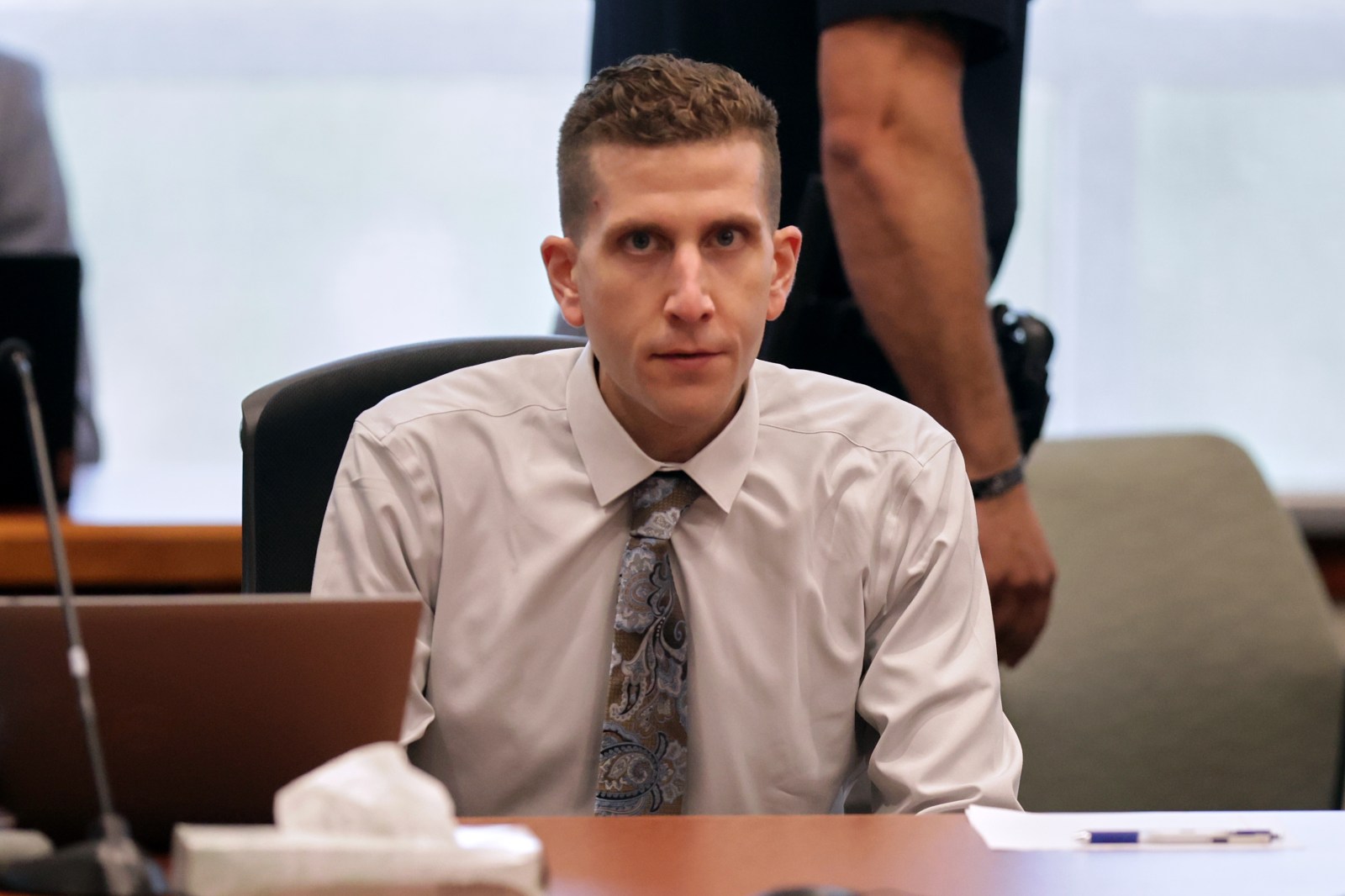
Bryan Kohberger’s mental health might play a role if he successfully withdraws his guilty plea and proceeds to trial for the murders of four University of Idaho students. Kohberger, 31, had pleaded guilty to killing Kaylee Goncalves, Ethan Chapin, Xana Kernodle, and Madison Mogen. The killings occurred in a rental home near the university’s campus in Moscow, Idaho, in November 2022. He is currently serving four consecutive life sentences. In recent developments, Kohberger filed a petition requesting to withdraw his guilty plea, citing inadequate representation by his attorneys, whom he claims pressured him into the plea agreement to avoid the death penalty.
While prosecutors have yet to respond to his filing, Idaho Attorney General Raúl R. Labrador pledged that his office remains prepared to ensure justice is properly served. Newly available court documents shed light on a neuropsychological evaluation conducted after Kohberger’s arrest, led by Dr. Rachel Orr, a clinical neuropsychologist. Orr diagnosed Kohberger with autism spectrum disorder. His legal team had previously attempted, unsuccessfully, to use this diagnosis to remove the death penalty from consideration.
Neuropsychological Evaluation and Findings
The assessment, carried out between October 2024 and January 2025, diagnosed Kohberger with several disorders:
- Autism Spectrum Disorder (Level 1) without intellectual or language impairment
- Attention-Deficit/Hyperactivity Disorder, in partial remission
- Obsessive-Compulsive Disorder
- Avoidant/Restrictive Food Intake Disorder
Additionally, Kohberger had previously met criteria for Developmental Coordination Disorder, Anorexia Nervosa, Unspecified Depressive Disorder, and Opioid Use Disorder.
Potential Impact on Trial and Sentencing
Legal experts express doubt that Kohberger will succeed in withdrawing his guilty plea. Even if he does, they believe his diagnoses will not impact the trial phase. Neama Rahmani, a former federal prosecutor, highlighted that disorders like autism, ADHD, OCD, and ARFID are unrelated to determining guilt for the murders.
Laurie Levenson, a criminal law professor, remarked that Kohberger’s prison experience might motivate him to seek a trial. If granted, prosecutors might leverage all evaluations during proceedings.
Regarding sentencing, if Kohberger withdraws his plea and is convicted, his mental health could influence sentencing outcomes, potentially mitigating some factors considered by jurors when choosing between life or death penalties. His attorneys previously argued against the death penalty based on his autism diagnosis. However, Judge Steven Hippler ruled that autism, lacking intellectual impairment, doesn’t prevent the death penalty under current U.S. Supreme Court precedents.
Expert Opinions
Dr. Ty Milton, an assistant professor of psychology, noted that Kohberger’s diagnoses are significant but should not excuse violent behavior or suggest a lack of understanding of his situation. The combination of disorders provides insights into potential influencing factors, including how Kohberger might handle pressure and decision-making. However, Dr. Milton cautioned against connecting these disorders directly to criminal acts.
The focus now lies on whether Kohberger’s disorders affected his judgment during plea negotiations. The evaluations serve as grounds for further examination but do not conclusively show that his disorders swayed his decisions.
Next Steps
Idaho prosecutors are expected to address Kohberger’s petition for post-conviction relief soon, with state law generally providing 30 days for a response. Since the petition was submitted on July 27, a response may be anticipated by late August. Judge Steven Hippler will then decide whether to dismiss the petition or proceed with further legal actions, such as an evidentiary hearing.