Trump’s Sanctions Threat Against Iran
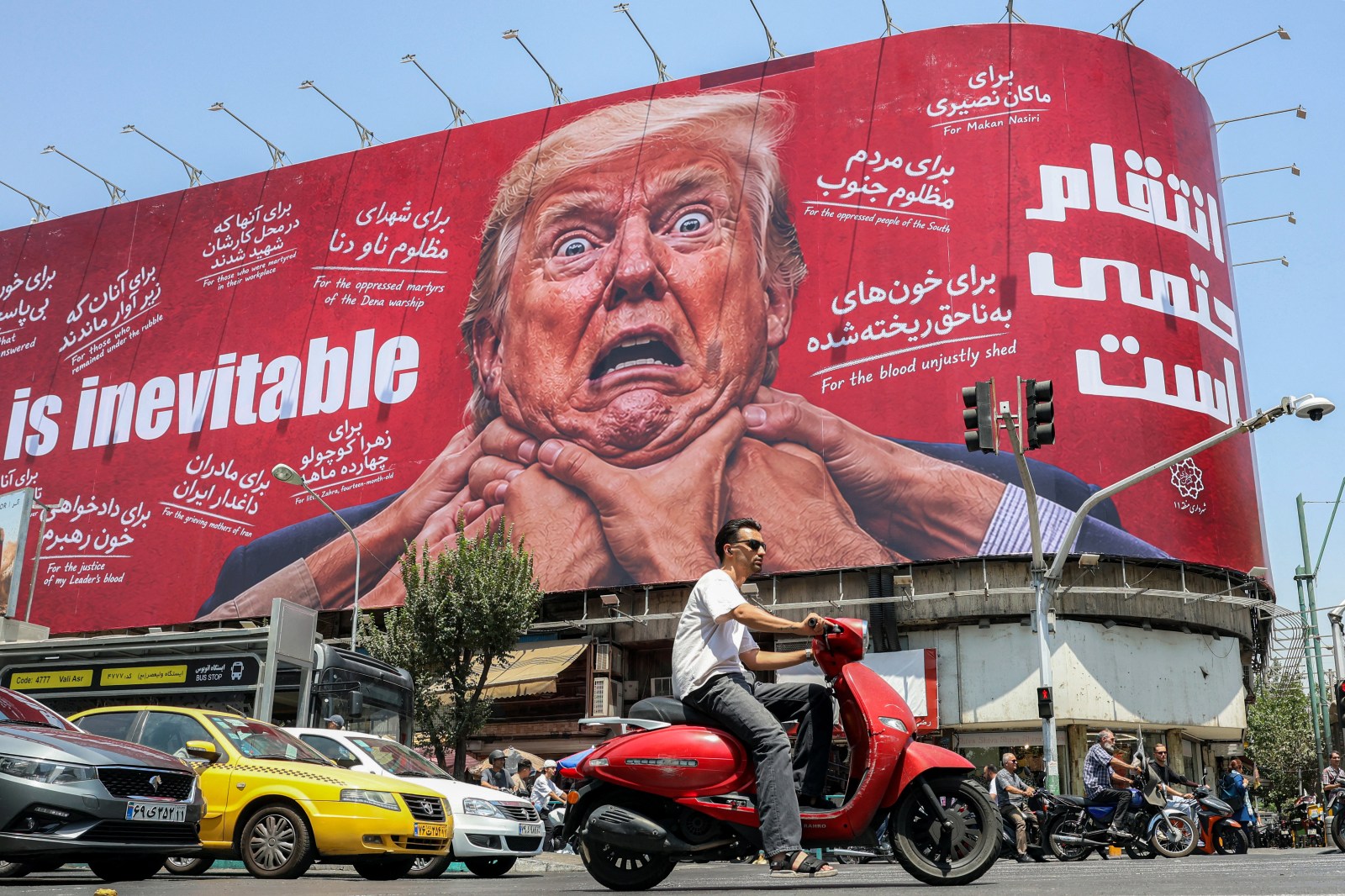
President Donald Trump has made significant threats to impose severe economic measures against Iran. His intention is to pressurize the Islamic Republic into yielding to U.S. demands. Previously, Trump stated he had considered a massive attack on Iran, comparing it to historical military actions. However, these plans were shelved in favor of diplomatic efforts.
Shift from Negotiations
Recently, Trump announced that discussions with Iran have ceased, despite his adviser Jared Kushner’s earlier suggestions otherwise. According to sources, some positive discussions occurred, but Trump has paused any further engagement. In Tehran, however, these threats appear to hold little sway, with calls for patriotic fervor growing stronger.
“By now, the Iranian leadership does not take such threats literally,” noted Mehran Kamrava, a professor specializing in Iranian politics at Georgetown University in Qatar.
Kamrava warns that prolonged tensions without resolution could push Iran towards military escalation, as internal pressures mount for action.
Analyzing Trump’s Tactics
Trump’s fluctuating stance resembles the ‘madman theory,’ a tactic previously associated with President Richard Nixon. This approach involves unpredictable rhetoric to keep opponents uncertain of the U.S. intentions, targeting not only Iran but other nations like China and Russia.
Military interventions and strategic strikes, such as the operation against Iranian Major General Qassem Soleimani, show Trump’s willingness to act, challenging those who doubt his resolve.
Iran’s Strategic Response
Despite the external pressures, Iran has demonstrated resilience by leveraging strategic points such as the Strait of Hormuz. They’ve managed to execute economic strategies more effectively than anticipated, increasing military resources and alliances with groups like Hezbollah.
Iran’s approach has shifted from a reactive ‘eye for an eye’ to a more aggressive stance. With long-term goals, Iranian officials see strategic advantage in maintaining a firm posture.
Impact on U.S. Strategy
According to Mohsen Milani, a scholar on strategic studies, this ambiguity serves both sides by preserving diplomatic options and mitigating domestic dissent. However, the U.S. struggles to convert its military dominance into political leverage. Iran perceives victories through its control of Hormuz, reducing the effectiveness of U.S. military actions.
Furthermore, Trump’s unpredictability is seen as a weakness within U.S. strategy, where actions seem governed by opportunistic calculations rather than coherent policies.
Recent Developments
The United Arab Emirates (UAE) recently halted trade with Iran following missile attacks, attributed by some to Iranian forces. Tehran disputed these claims, instead accusing a collaboration between Israel and the U.S. Nonetheless, Trump’s looming threat of worldwide economic sanctions remains a potent weapon in his arsenal.
Outlook for Conflict Resolution
Skepticism persists over whether economic sanctions or military pressure will expedite Iran’s capitulation. Trump aims to economically isolate Iran, but both nations seem prepared to endure prolonged hardship.
Jon Alterman, an expert at the Center for Strategic and International Studies, highlights Iran’s resilience, citing historical preparedness for conflict and a lack of electoral pressures. The leadership expects continued international engagement could eventually weaken U.S. influence.
“They see the president’s threats not as a sign of resolve, but as a sign of anxiety,” Alterman noted regarding Iranian perspectives.
Ultimately, Iran sees long-term perseverance as key to repelling external pressures, fostering economic recovery, and ensuring national security.