LGBTQ+ Identification and Shifting Attitudes in the U.S.
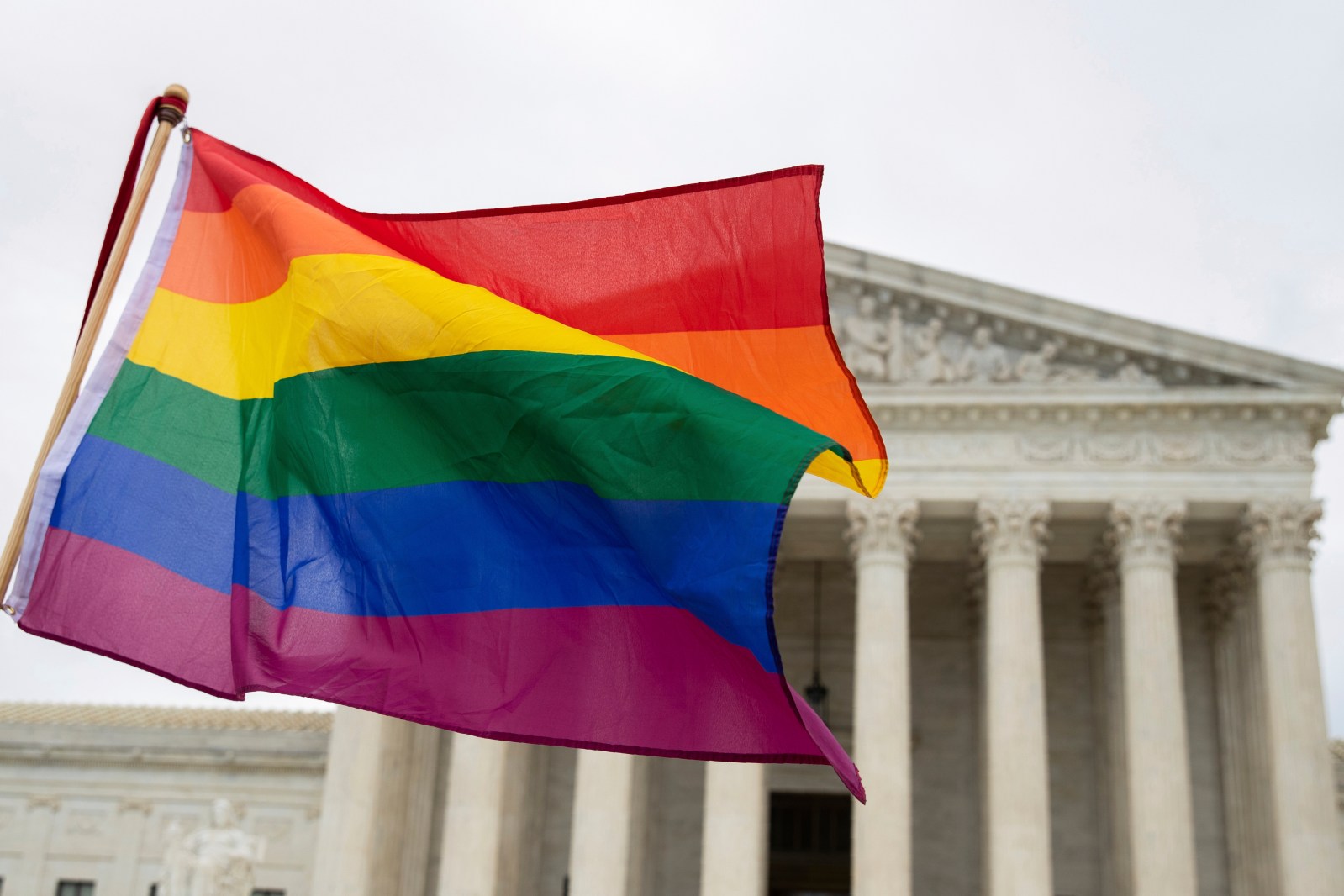
Recent analysis from the Human Rights Campaign Foundation (HRC) shows a record high number of Americans identifying as LGBTQ+. Over 25 million U.S. adults, or 12 percent, now identify as lesbian, gay, bisexual, transgender, or queer. This marks a significant increase in the visibility and size of the LGBTQ+ community.
According to a 2025 Gallup poll, about 9 percent of U.S. adults identified as LGBTQ+. Despite the increase in identification, support for some LGBTQ+ issues is declining. Polls show that public backing for same-sex marriage and acceptance of gay and lesbian relationships have decreased from record highs in the early 2020s. Views on transgender issues are becoming more polarized.
Current Trends
With less than 100 days before the midterm elections, LGBTQ+ Americans are emerging as a significant voting group. They may influence closely contested races shaping congressional control.
Kelley Robinson, HRC President, stated, “LGBTQ+ Americans are everywhere. There are 25 million of us across the country, and we now have critical mass in almost every state. We’re not a niche constituency.” HRC data indicates more than 10 percent of adults identify as LGBTQ+ in 40 out of 50 states. The highest concentrations are in the District of Columbia (22.6 percent), Washington, Oregon, Colorado, California, and Alaska (14 percent or more).
California has the largest LGBTQ+ population at over 3.1 million adults, followed by Texas with about 2.2 million. Florida and New York each have LGBTQ+ populations exceeding 1.6 million. Among those identifying, around 65 percent say they are bisexual, 30 percent lesbian or gay, and roughly 5 percent are transgender or gender-expansive.
Most LGBTQ+ adults, about 54 percent, are under 35. The LGBTQ+ community is diverse, with Hispanic adults comprising 18 percent of the population, while Black adults represent around 9 percent.
Methodology
HRC based their estimates on responses from the U.S. Census Bureau’s Household Pulse Survey, collected between 2021 and 2024. They used federal data to determine the share and number of LGBTQ+ adults across states and metro areas. The analysis is considered one of the most detailed views of the LGBTQ+ population.
Tari Hanneman, Senior Director of Research and Education at HRC, emphasized the importance of reliable data, stating, “Removing sexual orientation and gender identity questions from surveys introduces gaps in understanding our communities.” There are concerns that removing these questions from federal surveys will hinder the ability to measure the LGBTQ+ population over time.
Public Attitudes
Support for some LGBTQ+ issues has waned as political and cultural debates over transgender rights continue. Legislation on transgender athletes, minors’ gender-affirming care, and school policies are prominent. Donald Trump’s executive orders reaffirming binary gender and rolling back transgender rights have added to this dynamic.
Local disputes concerning LGBTQ+ themes in schools mirror broader societal debates. Some conservatives express support for equal rights but highlight concerns about youth gender transitions and transgender participation in sports.
Same-Sex Marriage
While support for same-sex marriage has softened, it remains higher than pre-2015 levels. Gallup reports 65 percent support same-sex marriage, down from 71 percent in 2022-2023. In 2015, following the U.S. Supreme Court ruling, support was at 60 percent.
A Public Religion Research Institute (PRRI) survey finds similar trends with 65 percent backing same-sex marriage, compared to 69 percent in 2022. Previously, in 2015, the support was at 53 percent. Republicans show 49 percent support, while Democrats and independents display higher backing at 83 percent and 69 percent, respectively.
States with the least support for same-sex marriage are Mississippi (47 percent) and Arkansas (50 percent). Massachusetts, Rhode Island, and Vermont show the highest support at 85 percent and 81 percent. Amidst renewed Republican efforts to challenge same-sex marriage, public opinion and political actions continue to evolve.