Baylor Genetics Cybersecurity Incident: Implications for IVF Patients
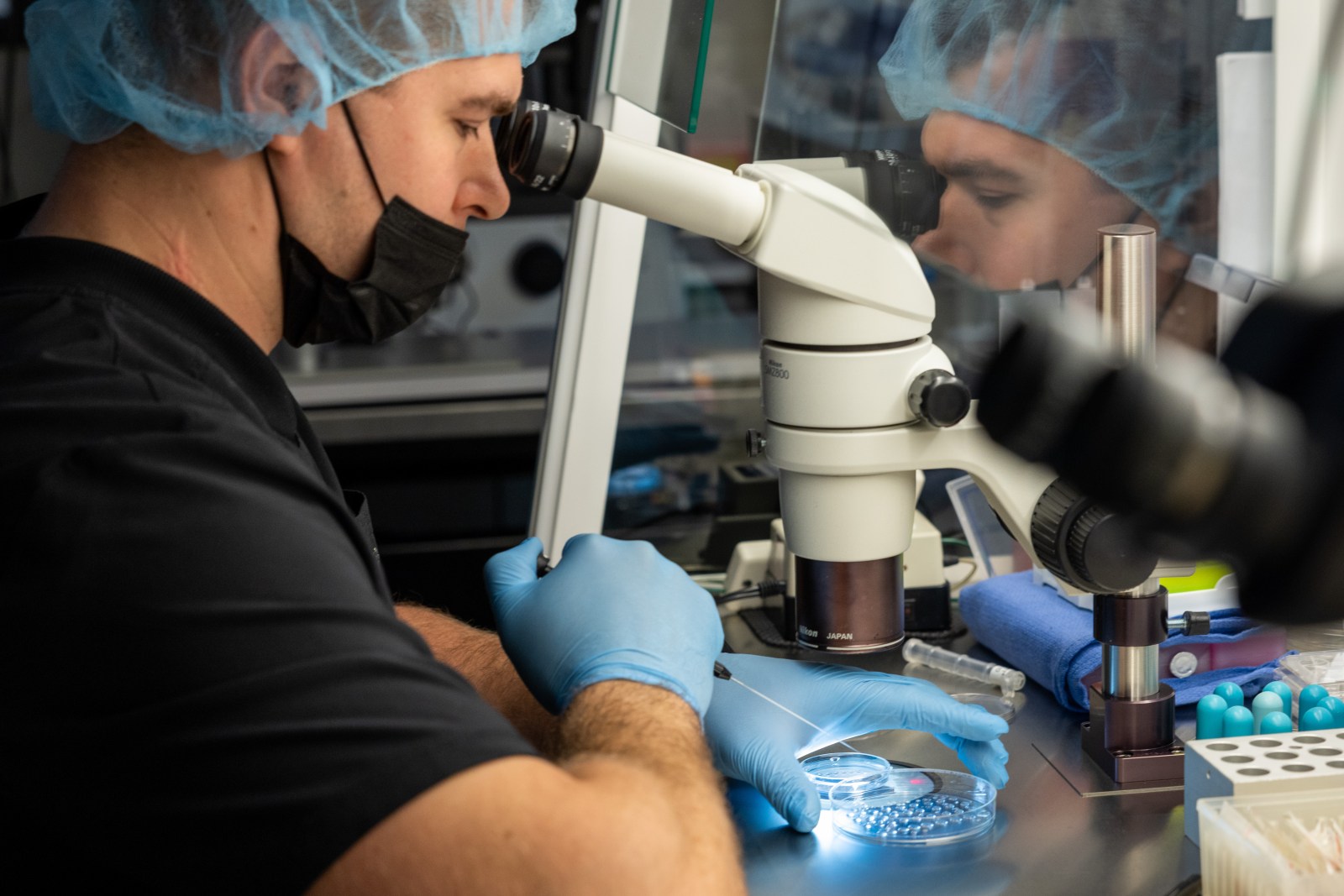
Patients who underwent genetic testing through Baylor Genetics are being notified about a cybersecurity incident involving the exposure of sensitive personal and medical information. Experts highlight concerns due to the specific risks posed to individuals undergoing in vitro fertilization (IVF).
Breach Details
In June, Baylor Genetics discovered suspicious activity in its information technology systems. An unauthorized party accessed parts of the network between June 11 and June 17. A subsequent review completed on July 30 revealed the potential exposure of patient and employee data, including laboratory test results, health insurance details, and some Social Security numbers.
“Upon identifying the incident, we immediately secured our systems, engaged leading independent cybersecurity and forensic specialists, notified law enforcement, and implemented additional security measures,” stated Jason Maloni, spokesperson for Baylor Genetics.
Laboratory operations continued uninterrupted, and genetic testing services remained unaffected throughout the breach. Baylor Genetics sent notifications to potentially impacted individuals, advising them to protect their identity by placing a fraud alert on their Social Security number and utilizing credit freezes.
IVF Patients’ Unique Risks
The breach poses risks beyond typical identity theft, especially for IVF patients. Fertility and genetic-testing information can aid criminals in crafting more persuasive scams.
David de Paula Santos Silva, CEO of CyberX, warned that attackers might impersonate fertility clinics or genetic testing providers, making urgent payment claims to disrupt treatment, release test results, or manage embryo storage. “IVF also makes this particularly sensitive because people may already be dealing with significant emotional pressure,” he explained.
Lewis Berry, security architect at Inforcer, noted that IVF data provides criminals with dangerous specifics, allowing them to send targeted messages related to embryos, treatment, or urgent payments.
The heightened emotional reaction associated with IVF makes individuals more vulnerable to scams about their fertility treatment. Carl B. Johnson from Cleared Systems emphasized that the timely nature of IVF decisions means messages don’t have to be perfect, just familiar enough not to be questioned.
Protective Measures for Patients
Experts advise caution with communications concerning fertility treatment, genetic testing, or medical billing. Danny Jenkins, CEO of ThreatLocker, highlighted that scammers rely on urgency to provoke rapid decisions. He suggested verifying the legitimacy of communications by contacting providers directly.
Carl B. Johnson cautioned against responding to emails requesting payments. Affected individuals should monitor credit activity, be alert for insurance fraud, and scrutinize messages referencing fertility or genetic testing.
Baylor Genetics asserts that its systems remain secure, and to date, no confirmed misuse of leaked information has been reported. Security controls have been fortified, monitoring enhanced, and coordinated efforts with law enforcement are ongoing, ensuring systems remain operational.