Armenia Seeks Exit from Russia-Led Alliance Amid Geopolitical Shifts
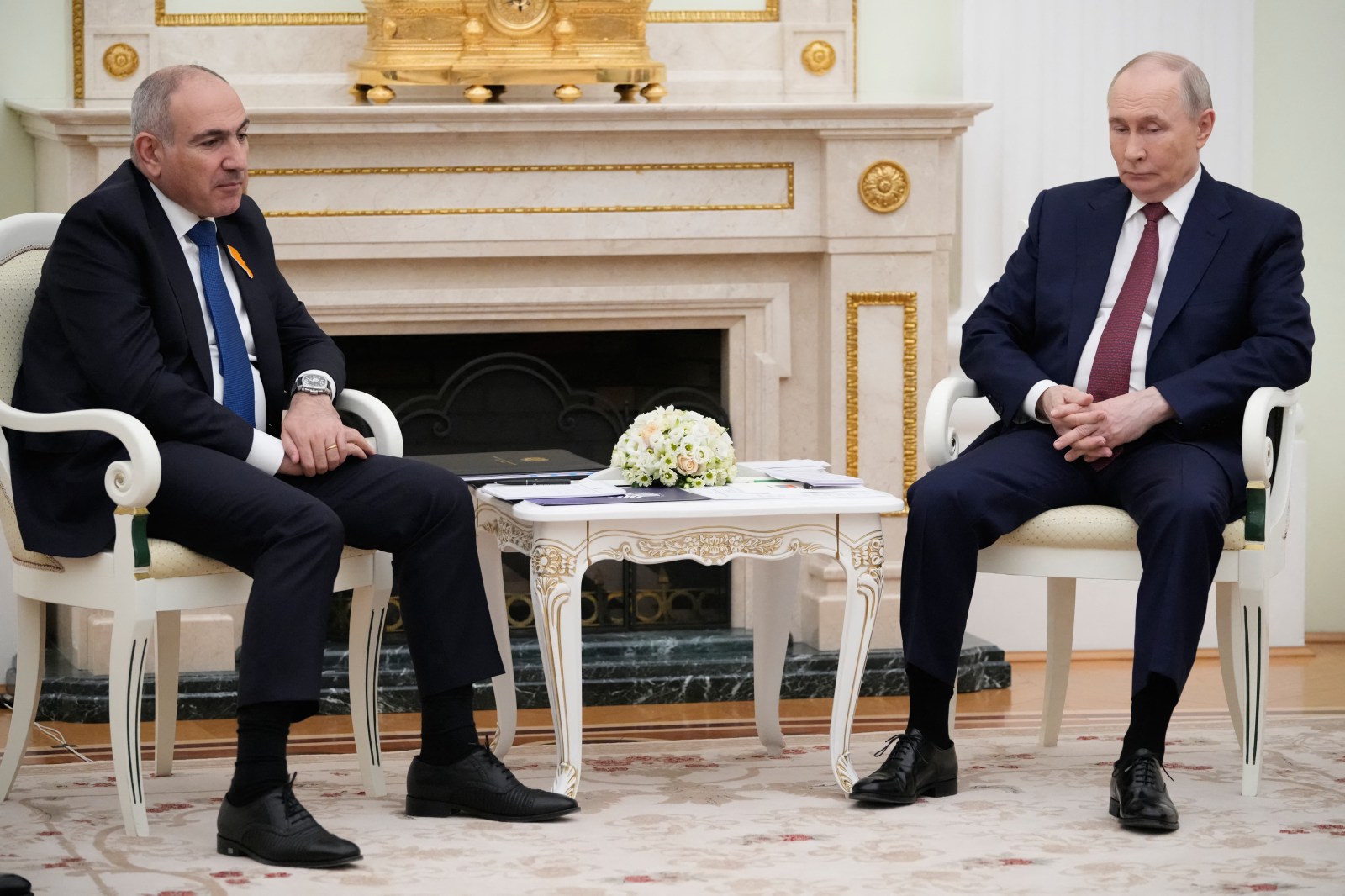
Armenia is moving to exit the Collective Security Treaty Organization (CSTO), a Russia-led alliance, following dissatisfaction over its inability to address conflicts with Azerbaijan. Armenian Prime Minister Nikol Pashinyan stated that Armenia will not activate its cooperation with the CSTO. He expressed willingness for Armenia to be expelled, relieving the nation from the dilemma of leaving on its own.
“I can say with certainty that we will not activate our work in the CSTO,” Pashinyan said, indicating discussions are underway.
A Kremlin response acknowledged Armenia’s right to leave if it no longer serves its national interests. Richard Giragosian, director of the Regional Studies Center in Yerevan, described Armenia’s move as overdue, citing the CSTO’s failure to protect Armenian territory from Azerbaijan.
Historical Context of Armenia’s Alliance
Armenia’s ties with Russia date back nearly 200 years. Russia portrayed itself as a protector against Ottoman and Persian ambitions. Armenia gained independence in 1991 but maintained military and security ties with Russia, joining the CSTO’s precursor. Conflicts with Azerbaijan over Nagorno-Karabakh persisted, leading Armenia to question Russia’s commitment.
Peacekeepers were deployed but hesitated to intervene against Azerbaijani attacks, raising doubts about Russia’s role. Pashinyan cited limits in Russia’s ability to ensure Armenia’s safety. The CSTO includes Armenia, Belarus, Kazakhstan, Kyrgyzstan, Russia, and Tajikistan. Only Belarus directly supports Russia’s war with Ukraine.
Shifting Alliances
While Russia seeks strong cooperation, Armenia is signaling dissatisfaction. Mher Sahakyan of the China-Eurasia Council for Political and Strategic Research noted Armenia froze its participation as a political signal. Russia pressures Armenia to choose a side in the geopolitical landscape, leveraging economic and energy influence.
US Influence and Diplomatic Moves
Former U.S. President Joe Biden moved to strengthen ties with Armenia, realizing Washington could be a better partner. During President Donald Trump’s second term, diplomatic efforts led to a strategic partnership agreement with Armenia, establishing a rail link with Azerbaijan called the “Trump Route for International Peace and Prosperity.”
Armenia seeks closer ties with the EU, announcing plans for membership applications. Giragosian noted Armenia’s efforts to balance between the West and Russia. Despite deepened ties with the West, Armenia retains its connection to Russia through the Eurasian Economic Union.
Sahakyan argued Armenia’s approach is one of balance, combining geostrategy with engagement from multiple regions. He expressed doubt about NATO expansion to include Armenia, highlighting economic and technological cooperation with the U.S.
While U.S. operations against Iran, along Armenia’s planned rail route, pose challenges, Armenia aims for a diversified foreign policy without aligning entirely with one bloc. Sahakyan cautioned that the South Caucasus is not a priority for U.S. foreign policy.