Foods to Avoid for Better Gut Health
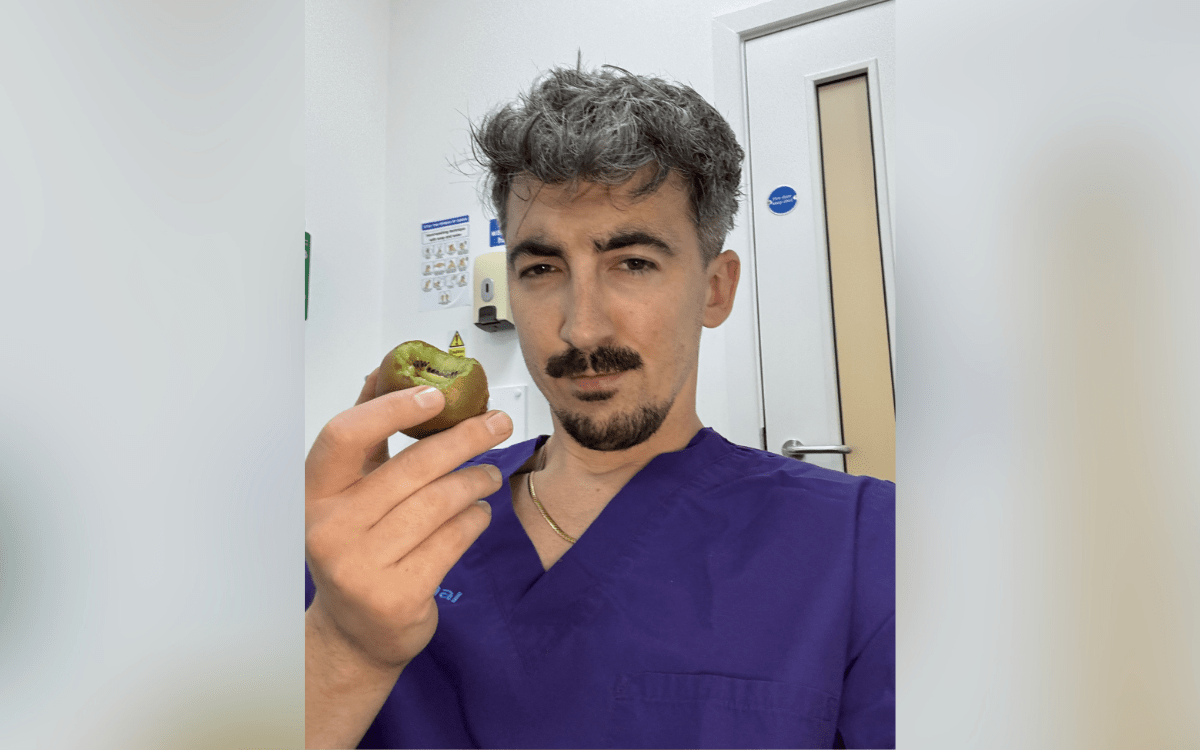
A gut health scientist has identified five foods he avoids, including a surprising healthy option. Jordan Haworth, a gastrointestinal physiologist at the Functional Gut Clinic in the U.K., has spent almost a decade addressing digestive issues. He shares insights on the connection between gut health and overall well-being.
Haworth acknowledges he was unaware of the significance of gut health during his early career. He told Newsweek, “Now we know just how important gut health is to our overall health. It influences our mood, metabolism, skin, and immunity.” Despite growing interest in gut health, awareness is still limited. A 2024 survey by Danone North America found that 41% of Americans had never heard of the gut microbiome, and 50% were unaware of its impact on gut health.
The Importance of Gut Health
The gut microbiome consists of trillions of bacteria and microbes in the digestive system. These organisms help digest food, produce beneficial compounds, support immunity, and protect against pathogen invasion.
Haworth believes gut health is often misunderstood and overcomplicated. “The term has been hijacked by supermarkets and supplement companies,” he said. He stresses that maintaining gut health does not require expensive probiotics or supplements. Instead, focus on the “foundations” he describes as the “three Fs”:
- Fiber: Consuming beans, oats, apples, pears, whole grains, chia seeds, and psyllium.
- Phenols (polyphenols): Including foods like blueberries, red cabbage, coffee, dark chocolate, and olive oil.
- Fermented foods: Incorporating yogurt, kefir, kimchi, and sauerkraut.
He also recommends adequate sleep, stress management, and 150 minutes of exercise weekly.
Impact of Food Poisoning
Haworth highlights the often-ignored role of food poisoning in gut health protection. “Food poisoning is the single biggest wrecker of gut health,” he said. Foodborne illnesses can have lasting effects on the gut due to bacteria producing a toxin called CdtB. Studies show this toxin can cause gut damage leading to inflammation and increased sensitivity.
While proper food storage and cooking are critical, many food poisoning incidents occur outside the home. “For that reason, I tend to avoid common culprits where possible, like buffets and kebabs,” Haworth advises.
Foods Haworth Avoids
1. Raw Oysters
Haworth avoids raw oysters because they filter bacteria and pathogens from surrounding water. While he has eaten oysters, he prefers them cooked or depurated, using UV-treated water to reduce harmful bacteria.
2. Rare Beef Burgers
He also avoids rare beef burgers, noting that minced beef can distribute surface bacteria throughout the patty. “It mostly happens at restaurants where they ask how you like the burger cooked,” Haworth explained.
3. Sushi
Sushi is third on his list due to its preparation using sushi-grade fish frozen to kill parasites. He cautions against buying sushi that’s heavily discounted and potentially sitting too long.
4. Sprouts
Despite sprouts’ health-food label, Haworth identifies them as risky due to bacteria-friendly growing conditions. He notes their proximity to the soil and typical raw consumption as factors.
5. Pre-Packaged Salad Bags
Finally, pre-packaged salads pose a surprising risk due to contamination possibilities during harvesting, packaging, and distribution. Leafy greens, frequently linked to food poisoning outbreaks, are a concern.
Haworth advises, “Stay away from these pre-prepared bags. If I want to eat spinach, I’ll buy spinach by itself and wash it thoroughly.”