Trump’s Renaming Initiative and Its Impact on Geographic Names
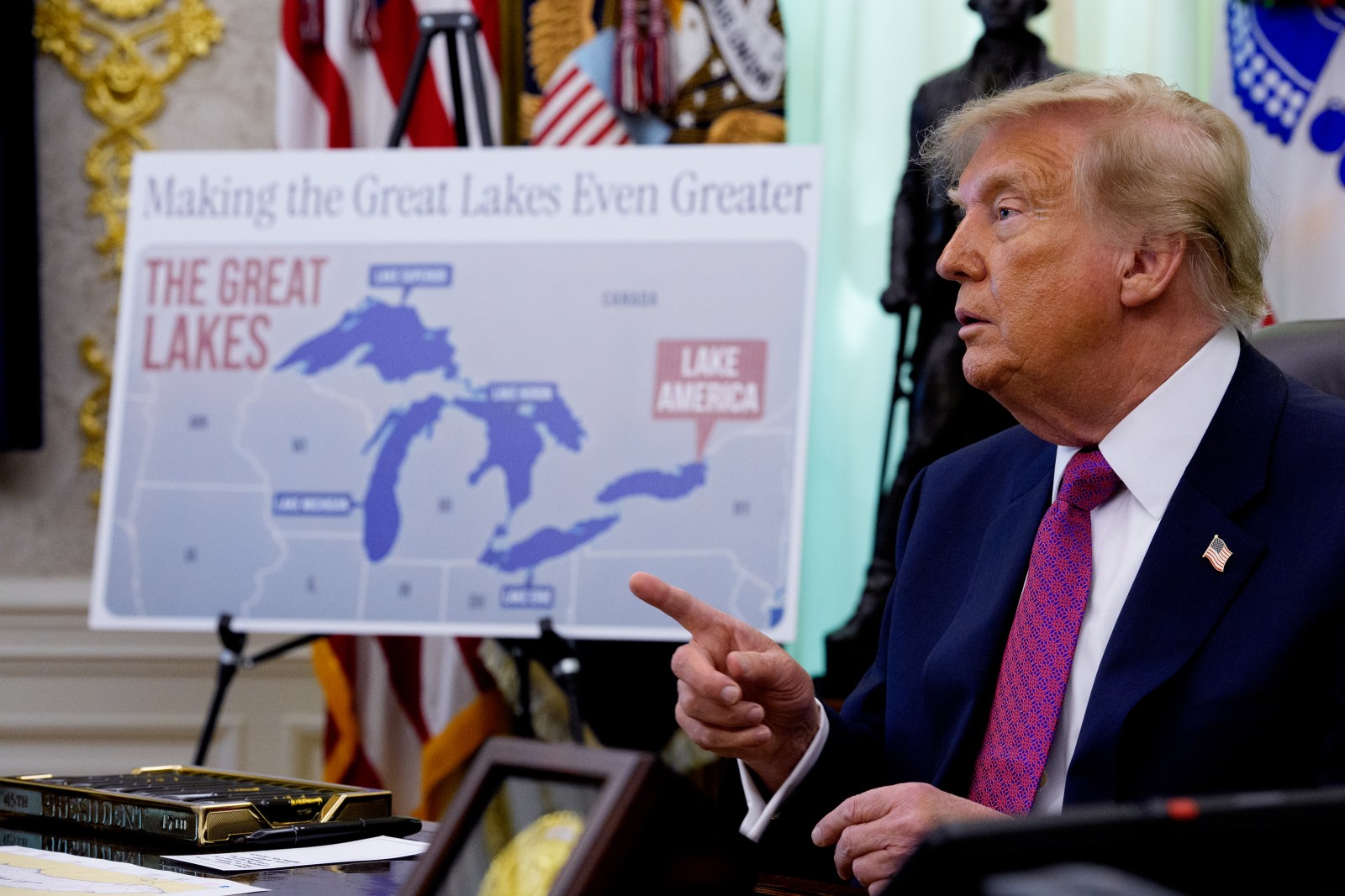
President Donald Trump has renamed Lake Ontario as “Lake America,” raising questions about presidential power in altering geographic names, maps, and international conventions. An executive order signed on August 27 mandates this name change in official U.S. records. It instructs Interior Secretary Doug Burgum to update the Geographic Names Information System, which standardizes place names across federal agencies. While this change affects federal usage, it doesn’t compel Canada, international groups, or mapmakers to adopt the new name.
The decision follows Trump’s previous move to rename the Gulf of Mexico as the “Gulf of America” nearly two years ago. The latest order hints that even larger targets, such as the Atlantic and Pacific Oceans, might be renamed. After signing the Lake Ontario order, Trump joked about the possibility of renaming these oceans, suggesting the U.S. could extend its naming efforts further.
Potential Renaming of Oceans
The president has the authority to direct federal agencies to use different names in government documents and databases, as demonstrated with Lake America and the Gulf of America. The U.S. Board on Geographic Names standardizes names for federal use, aiming for consistency across agencies. However, renaming an ocean would remain symbolic outside the U.S., as no nation owns the Atlantic or Pacific Oceans. International law grants coastal nations rights over waters up to 12 nautical miles from shore and resource rights within 200 nautical miles. The open waters beyond belong to the global community.
If the U.S. adopted new names for oceans, foreign governments and international organizations wouldn’t have to comply. Thus, a president’s influence is limited mainly to how the federal government refers to places, not what other nations or groups must acknowledge.
Reason Behind Renaming Lake Ontario
Trump signed the executive order amid a trade dispute with Canada. Despite suggestions on social media and in public remarks, he asserted no message was intended for Canada, though he criticized the trade relationship between the two countries. Similar to the Gulf of America effort, this decision reflects Trump’s use of executive authority to alter federal naming conventions.
Nevertheless, the order’s practical impact remains limited. As Lake Ontario spans both the U.S. and Canada, forming an international boundary, Canada isn’t required to use “Lake America.” The distinction highlights the limits of presidential naming authority. A president can dictate federal references to a location without altering its international recognition.
Authority Over the Gulf of Mexico
Trump’s 2025 order to rename the Gulf of Mexico sparked questions about naming rights, ownership, and sovereignty. The Gulf borders the U.S., Mexico, and Cuba, with each country managing surrounding waters based on international law. The order directed federal usage of “Gulf of America,” but it didn’t change maritime boundaries or expand U.S. claims. NOAA updated regulatory references where feasible, acknowledging that Congressional statutes couldn’t be altered by executive actions alone.
This scenario highlights the difference between naming and controlling a geographic feature. Names don’t dictate ownership. Jurisdiction in the Gulf remains governed by maritime and international agreements, not by what countries call it. This principle would apply if attempts were made to rename an ocean. Presidents can influence federal naming but changing globally recognized geographic names involves broader challenges than altering government records.