NFL’s Social Justice Campaigns: Balancing Messages on Equality and Conduct
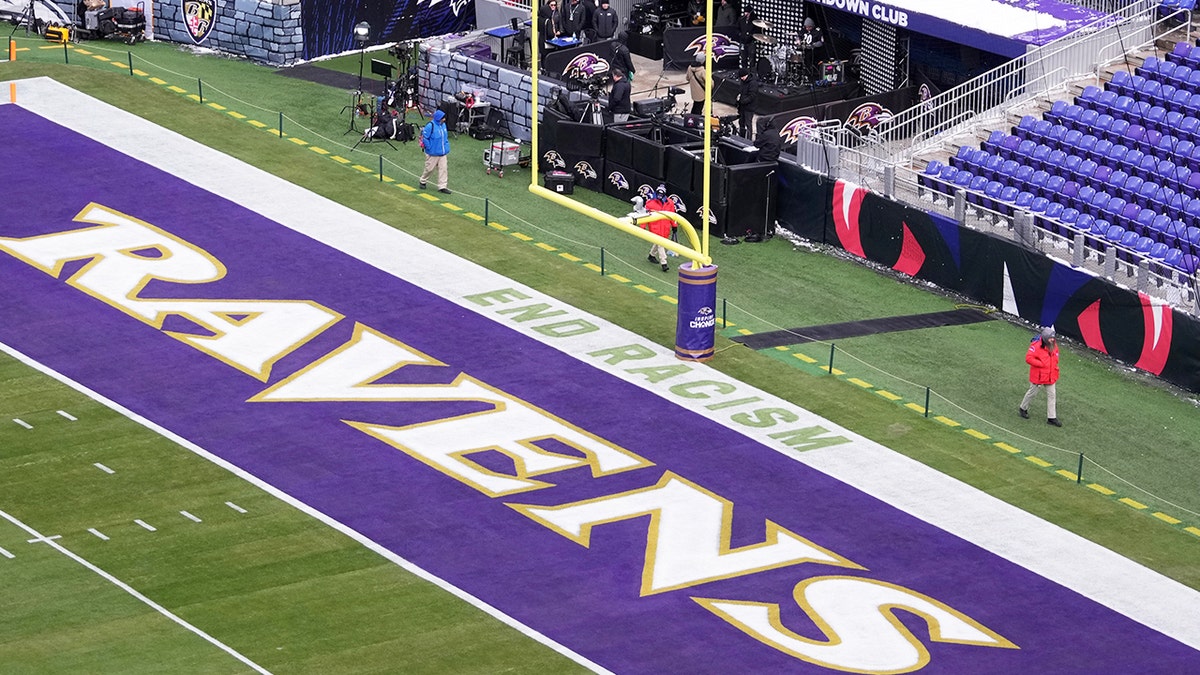
The National Football League (NFL) will continue its social justice initiatives in the 2026 season. The league plans to stencil end zones and players’ helmets with messages like “Stop Hate” or “End Racism.” These efforts aim to promote equal economic, political, and social rights for everyone, regardless of background. This decision persists even as the NFL faces issues related to arrests, court cases, and policy investigations involving criminal justice.
For the 2026 season, clubs can choose from slogans such as “Choose Love,” “Inspire Change,” “End Racism,” and “Stop Hate” for end zone messages. There is also an option to display “Never Forget” during Week 1 in memory of the September 11, 2001, terrorist attacks. Players continue to select from these messages for helmet decals throughout the season.
Despite the NFL’s social justice messaging since 2020, federal data shows an increase in hate incidents. The FBI recorded a 51% jump in bias-related incidents from 2020 to 2024. The Anti-Defamation League noted a rise in antisemitic incidents from 2,024 in 2020 to 9,354 by 2024. It raises questions about whether the NFL’s audience is the proper focus for these campaigns, especially when such efforts haven’t halted growing societal issues like hate and racism.
Meanwhile, the league does not emphasize messages addressing issues like domestic violence, drunk driving, or human trafficking, even though its ranks face such troubles. For instance, Jed York, the owner of the San Francisco 49ers, was arrested during a prostitution sting by a human trafficking task force.
NFL staff have encountered various legal issues tied to misconduct. Washington Commanders fired their tight end coach Ben Steele following a DWI arrest. Likewise, Minnesota Vikings linebacker Gerald Alexander faced suspension after a DWI plea, and Los Angeles Chargers let go of guard Ben Cleveland for driving incidents. High-profile names like former quarterback Tony Romo have faced charges related to intoxicated driving.
Domestic violence remains an issue within the league as well. This year, Packers running back Josh Jacobs faced legal issues related to a misdemeanor involving an ex-girlfriend. James Pearce, a Falcons edge rusher, was suspended for part of the season due to a domestic incident. Other players, including Ravens receiver Rashod Bateman and Broncos linebacker Jonathon Cooper, have been involved in similar situations.
The NFL could explore end zone messages like “Stop Drinking and Driving” or “Tackle men but don’t touch women.” Such initiatives might align better with addressing its internal issues. The league’s current lack of messaging on such criminal conduct appears inconsistent with its social justice campaign.
Aligning conduct-related messages with social justice advocacy could reinforce the NFL’s efforts to promote accountability at all levels within the organization.