Closing Arguments Heard in Duane Davis Trial for Tupac Shakur Murder
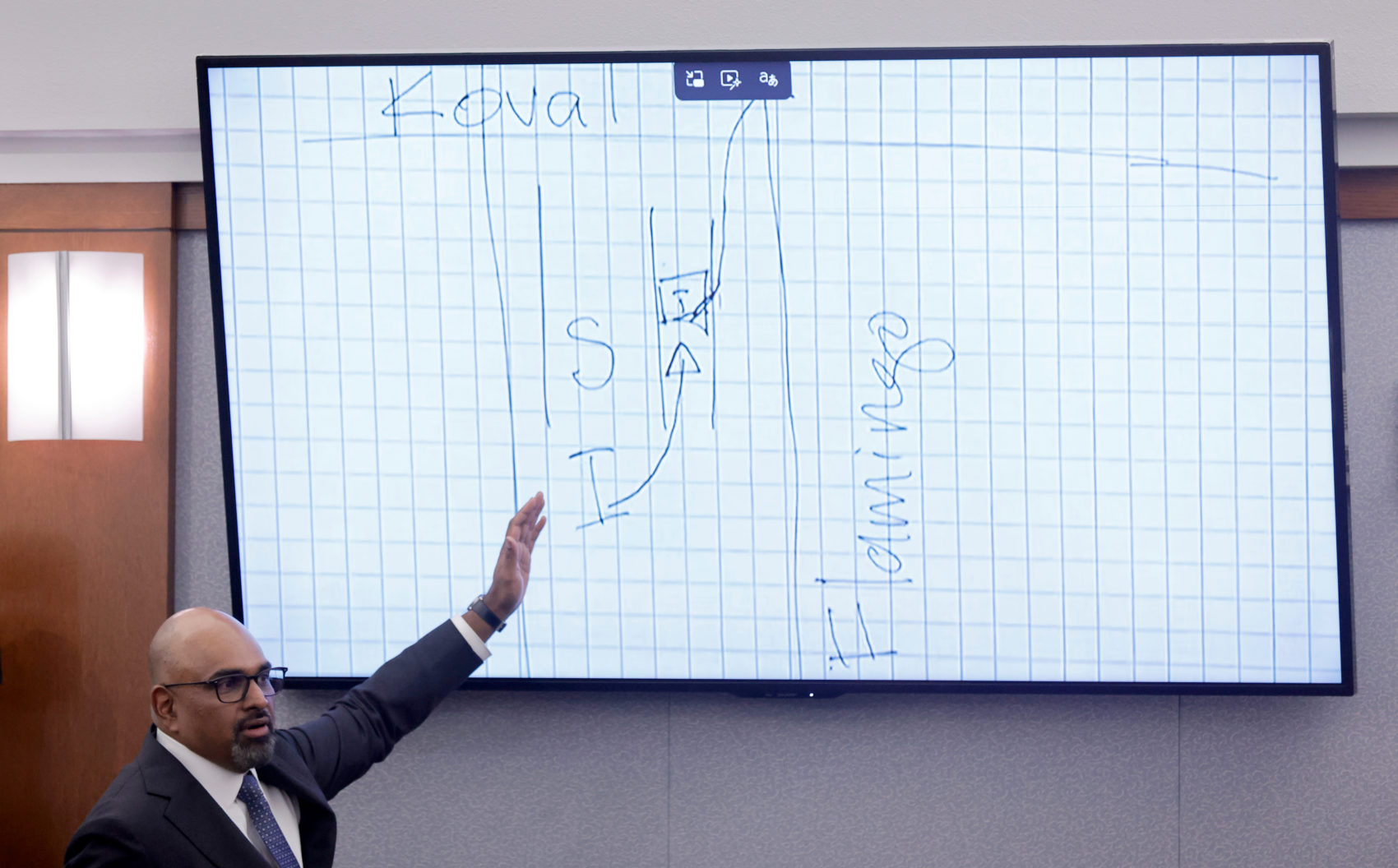
A prosecutor encouraged jurors to find Duane “Keffe D” Davis guilty of first-degree murder in the 1996 death of Tupac Shakur. The prosecutor argued that Davis’ own admissions and substantial circumstantial evidence demonstrated his role in the drive-by shooting. Chief Deputy District Attorney Binu Palal highlighted how Davis secured a gun and sought revenge against Shakur and Marion “Suge” Knight after his nephew was assaulted earlier that night.
Palal acknowledged Davis’ varying accounts over time but stated these changes showed Davis’ shifting motivations and attempts to shield himself. Importantly, Davis consistently placed himself inside the Cadillac from which shots were fired. “The core facts remain. The material facts remain,” Palal asserted. He informed jurors that Davis’ statements did not need additional evidence for verification if they believed his words.
The prosecutor referenced the rivalry between the South Side Compton Crips and Mob Piru, the altercation with Orlando “Baby Lane” Anderson, and testimonies identifying Anderson and Davis as suspects. Palal stressed that Davis’ responsibility lay in providing the gun and orchestrating the attack, even if he did not pull the trigger himself.
Palal illustrated premeditation through testimony and Davis’ narrative that his group deliberately sought Shakur and later executed a U-turn upon spotting him. “It’s a plan, not an impulse,” Palal said. Davis, 63, faces charges of murder with a deadly weapon and intent to support gang activities in Shakur’s 1996 killing in Las Vegas.
A 16-member jury, including alternates, heard from 24 prosecution and three defense witnesses over nine days. Originally, prosecutors anticipated calling 35 to 45 witnesses. They argued Davis’ leadership in the assault was evident from his book and interviews, while his defense claimed the prosecution’s story lacked evidence.
The trial revisits a decades-old case that captivated hip-hop fans and true crime followers. Shakur, a prominent rapper, was in Las Vegas on September 7, 1996, when a Cadillac approached him at a red light and shots were fired. Shakur died six days later. Knight was injured but survived. Davis, the last surviving Cadillac occupant, had publicly confirmed his presence and involvement.
Nevada law allows for murder convictions of those who assist in the crime. Davis emphasized retaliation for the attack on his nephew. Davis’ defense argued his statements were for profit and not truthful accounts. Palal addressed this by displaying Davis’ 2019 memoir “Compton Street Legend” and a related interview. Though Davis’ book claimed facts were altered, Palal insisted the main narrative remained unchanged.
Defense attorney Michael Sanft countered by citing his client’s memoir. He read an excerpt, causing some courtroom attendees to react negatively. Sanft argued Davis’ statements aimed to boost self-image and generate revenue rather than confess. He emphasized the lack of physical evidence connecting Davis to the crime.
Prosecutors reminded jurors that evidence from the 1990s differed from modern collections, citing missing hotel surveillance footage. The age of the case challenges the presentation of evidence. Contributions to this report came from Los Angeles-based journalist Landrum Jr. and Rio Yamat from Las Vegas.
Support for a free press remains crucial for democracy, alongside trusted journalism and constructive discussion.