New Vaccination Guidelines Issued for Upcoming Respiratory Disease Season
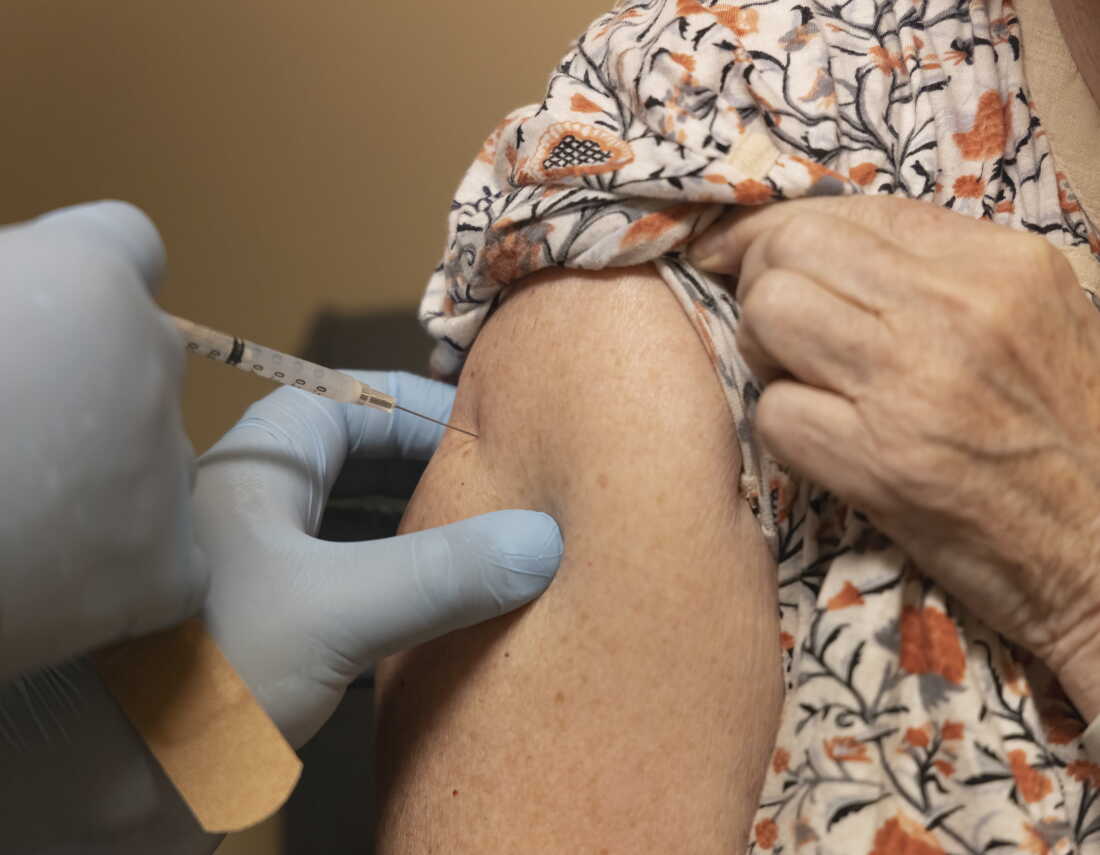
As the season for respiratory illnesses nears, several respected medical groups have released new vaccination guidelines. These recommendations focus on the latest COVID-19, flu, and respiratory syncytial virus (RSV) vaccines. According to independent analyses published on Wednesday, these vaccines are both safe and highly effective in preventing severe complications.
The American Academy of Pediatrics, the American College of Obstetricians and Gynecologists, the American College of Family Physicians, and the Infectious Diseases Society of America have recommended that Americans continue to get vaccinated. This advice comes as federal recommendations are lacking due to previous administration policies, which have not been updated effectively.
“Unfortunately today, the federal government is not fulfilling that responsibility in the way that it historically has. But the need for that work has not disappeared,” said Bruce Gelin of the Vaccine Integrity Project, an initiative countering vaccine misinformation.
The medical groups’ guidelines are more inclusive than former federal advice, advocating for routine COVID-19 vaccinations for healthy young adults, children, and pregnant individuals.
Federal Vaccine Guidelines in Limbo
Traditionally, the Centers for Disease Control and Prevention (CDC) would issue updated immunization guidelines against respiratory infections. However, these guidelines are currently stalled due to a lawsuit. The CDC extended existing recommendations for flu vaccines to incorporate the 2025 guidelines but hasn’t made definitive statements for other vaccines yet.
Dr. Demetre Daskalakis highlighted the risks of this inaction, emphasizing the importance of regular guidance to ensure public awareness. Public health officials are concerned about vaccination rates falling due to the ongoing uncertainty, leading to potential resurgences of preventable diseases.
Despite the absence of new federal guidelines, insurance coverage for vaccinations remains intact. Insurers have committed to covering these vaccinations, and federal programs like Medicare and the Vaccines for Children Program continue to offer them free of charge.
Updated Guidelines and Recommendations
Recent analyses published in JAMA reviewed extensive data to update vaccination guidelines. The American College of Obstetricians and Gynecologists continues to recommend COVID vaccination for pregnant women and those considering pregnancy or breastfeeding, highlighting the benefits for both mothers and newborns.
The American Academy of Pediatrics advises COVID vaccinations for infants over 6 months, children at risk for complications, and anyone whose guardians decide on vaccination. Vaccination against RSV is recommended for specific age groups, and annual flu shots are advised for those older than 6 months.
Family Physicians and Broader Recommendations
The American Academy of Family Physicians recommends:
- Adults 19 years and older receive updated COVID vaccines, approved by the FDA on August 27.
- Adults 65 and older get a second dose six months after the initial shot.
- People 6 months and older get an annual flu shot.
For the first time, a new flu shot using mRNA technology, similar to COVID vaccines, will be available for people aged 50 and over, offering potentially better protection with some mild side effects.
Dr. Sarah Nosal emphasized that vaccines are key to preventing severe illnesses and protecting communities. Timing for vaccination can be strategically planned, especially for those at high risk or attending large events, to maximize protection during peak infection periods.
In absence of comprehensive federal guidance, confusion may lead some to skip vaccinations, potentially endangering public health. Jason Schwartz of Yale University emphasized the continued need for clear, coherent vaccine communication.