Escalating Tensions Between NATO and Russia Amid Ongoing Conflict
Current European Conflict Threatens NATO-Russia Escalation
Europe finds itself embroiled in its most severe conflict since World War II. A covert campaign, conducted beyond the battlefield in Ukraine, poses the risk of increased tensions between NATO and Russia. The announcement by Germany on Tuesday regarding Russia’s involvement in a drone-related incident last month at Leipzig airport adds to the concerns about preparedness among U.S. allies.
“The Leipzig incident fits a pattern of escalating Russian activities across Europe,” Franz-Stefan Gady, adjunct senior fellow at the Center for a New American Security, told Newsweek.
Gady suggested that these operations appeal to Moscow due to their ability to undermine allied unity without activating NATO’s Article 5 mutual defense clause. He emphasized that escalating actions are a deliberate political decision, cautioning that Russia might assume NATO is too fragmented to react effectively, demonstrated by Germany’s muted response.
NATO’s delayed readiness remains a major concern, with no established criteria for joint action. Essential capabilities like SEAD (Suppression of Enemy Air Defense), long-range strikes, and interceptor stocks have weakened due to ongoing conflicts in Ukraine and Iran.
Drone Incidents Heighten Risks
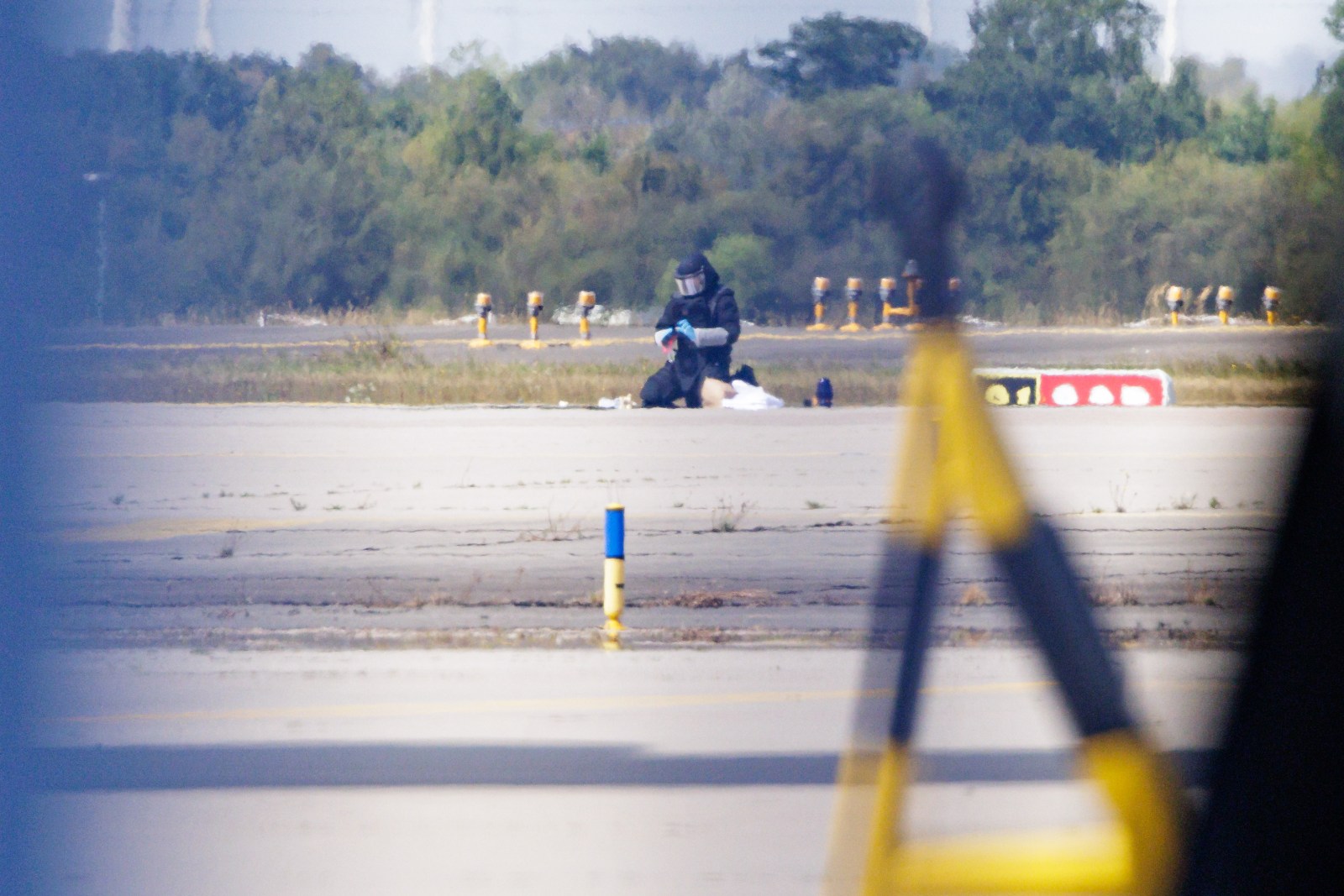
An incident on August 4 involved a drone carrying explosives near a Ukrainian aircraft at Leipzig. The subsequent discovery of a drone colliding with a Boeing cargo flight prompted German authorities to respond, citing Russian hybrid operations across Europe as the cause.
Germany took diplomatic action by summoning the Russian ambassador, revoking leases on Russian cultural centers, and imposing new visa restrictions. Russian officials, however, denied any involvement and criticized the lack of evidence provided by Germany to substantiate their accusations.
The situation echoes previous claims of Russian drones intruding into Polish airspace since last September, with similar sightings reported across multiple NATO nations.
NATO’s Military Posture and Russian Concerns
NATO has intensified military exercises near Russia’s borders, including the Arctic, prompting Russian Foreign Minister Sergey Lavrov to condemn the alliance’s actions. Dmitry Trenin of the National Research University Higher School of Economics warned that the danger of a direct clash between NATO and Russia is rising.
“European governments mistakenly believe Russia won’t retaliate,” Trenin told Newsweek.
He warned that such misjudgments could lead to a nuclear threat, referencing weakened nuclear deterrence and likening current tensions to the Cuban missile crisis.
Interconnected Conflicts
Western aid to Ukraine has increased significantly since Russia’s invasion, with NATO members supplying financial, military, and humanitarian support. Allegations of U.S. intelligence aiding Ukrainian strikes on Russian soil persist, alongside claims of Russian assistance in aiding Iranian targeting of U.S. bases in the Middle East.
Recent reports highlighted intersections between European and Middle Eastern conflicts, with Shahed suicide drones becoming a staple of Russia’s military strategy. Accusations also circulate regarding Russian support for Iranian missile development.
The convergence of these conflicts strains European security, impacting U.S. munitions stocks and delaying aids to allies. The CIA Director’s recent visit to Moscow further fueled speculation over potential escalatory moves by Russia.
Potential Risks and Responses
Although a Russian invasion of a NATO territory remains unlikely, the frequency of incidents attributed to Moscow poses a tangible risk. Europe may resort to reciprocal measures like cyberattacks or aid to Ukraine rather than direct military retaliation.
Mark Galeotti of Mayak Intelligence surmised Europe lacks both means and desire to engage militarily with Russia. He assessed Russia’s capabilities for an initial assault but doubted its ability to sustain it against NATO’s response.
For now, both sides appear inclined to avoid direct confrontation, maintaining the conflict discreetly.
“Neither side wants an escalation into military confrontation,” Galeotti said.