Gen Z Leads in Disaster Response Efforts
In Nepal, Gen Z is playing a crucial role in rescue and relief operations following the disastrous floods and landslides on August 26 that resulted in thousands of casualties. A team of ten, initially focused on distributing aid, shifted their efforts to direct rescues after witnessing the extensive damage. Sunil Singh, one of Nepal’s Gen Z members, communicated to Ratopati, a local news outlet, about their readiness to take action. Prakash Bam, secretary of the National Gen Z Citizen Campaign, highlighted the ongoing struggles due to ineffective government coordination in rescue operations. He urged the government to seek international assistance if necessary to expedite rescue work.
This sentiment of dissatisfaction is shared by young adults in other parts of the world, including the United States, who feel let down by official responses to disasters. In Altadena, California, an organization named A Resilient Tomorrow (ART), co-founded by local community members, emerged as a response to inadequate government disaster management, as evidenced by the Eaton Fire. Savannah Bradley, co-director of ART, expressed her concerns over the shortcomings in government relief, prompting them to fill the void by organizing distribution drives and advocacy initiatives.
Gen Z demonstrates a strong inclination towards philanthropy, as confirmed by a GoFundMe report, which indicated that 57% of Gen Z plan their annual budget around donations, with 40% cutting personal expenses to contribute more. The primary causes they support include social justice, political initiatives, and children’s charities. ART, initially formed in reaction to a local fire, has since expanded its efforts to include broader community support through advocacy and regular donation events. Bradley emphasized their commitment to self-reliance when external support is scarce.
A Harvard study from June revealed that 79% of young adults aged between 18-29 seek employment that makes a positive impact on others’ lives. Richard Weissbourd, director at Making Caring Common, noted this desire to contribute meaningfully, citing examples from the retail sector, where employees enjoy helping customers find clothing that enhances their self-image. Concerns about global issues motivate many Gen Zers to pursue meaningful causes.
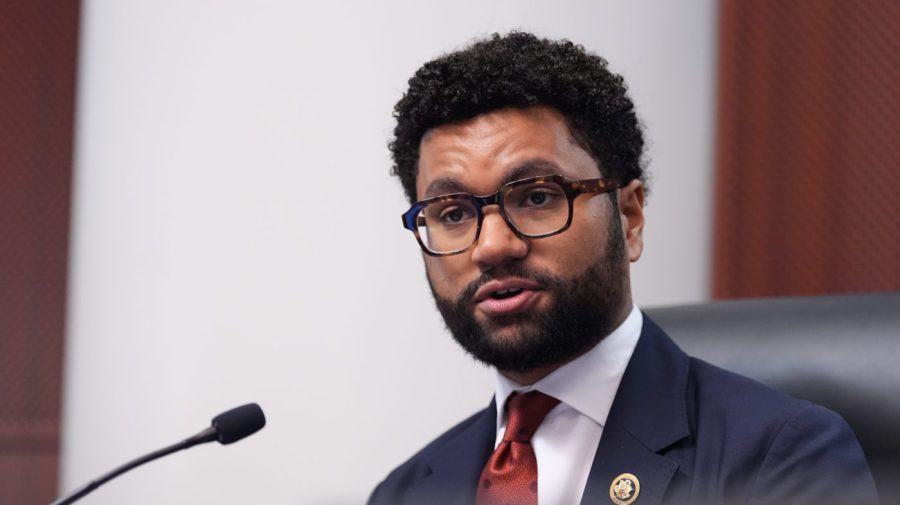
Gen Z’s political involvement also stands out. The first member of Congress representing Gen Z, Rep. Maxwell Frost (D-Fla.), has been advocating for policies like student loan debt relief. Appearing on Jubilee’s YouTube show “Surrounded,” Frost discussed generational differences and defended young people’s political engagement. He argued against stereotypes of Gen Z being entitled or lazy, acknowledging the prevalent opinions older generations often hold about youth. Despite opposition faced, Frost remained steadfast in his advocacy.
Political campaigns targeting Gen Z have employed innovative strategies. Michigan Democratic Senate candidate Abdul El-Sayed, inspired by the “Love Island: USA” television show, launched a creative campaign to engage young voters. El-Sayed utilized relatable, pop-culture-driven content to connect with the younger audience, moving away from traditional campaign approaches. His campaign embraced unique methods, such as using a “tariff catcher” to discuss economic impacts of policies during street interactions. Elena Bohm, content director for El-Sayed’s campaign, emphasized the need to engage young and disengaged voters in political processes.
Former Rep. Mike Rogers, another political figure, also highlighted his Gen Z supporters through his social media presence, promising restoration of the American Dream through affordable housing plans. Ethan from Waterford, Michigan, a young Democrat, expressed his support for Rogers, noting the alignment of values concerning affordability and homeownership for young people.