Americans Relocating Amid Changes in Urban Populations
During the pandemic, the rise of remote work led many Americans to leave crowded and expensive cities for more affordable areas. Though this movement has slowed, some cities still experience rapid population declines.
Population Declines in Major Cities
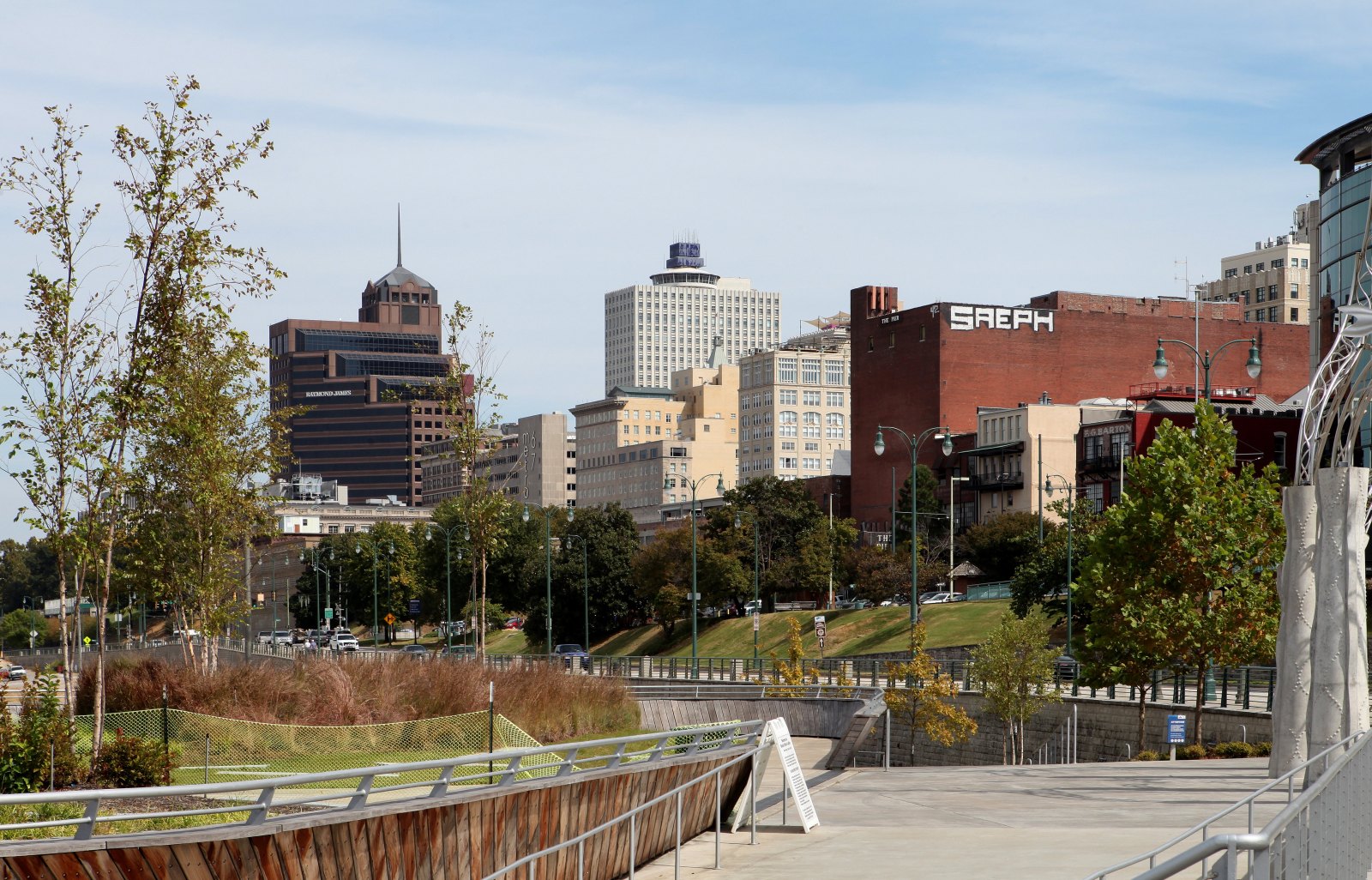
According to the latest report from the Bank of America Institute, released on Friday, Memphis, Tennessee, recorded the most significant population decrease among U.S. metropolitan areas in the second quarter of 2026, with a nearly 1 percent drop compared to the previous year. Other cities following Memphis in population declines include Washington, D.C. (-0.73 percent), Los Angeles (-0.63 percent), Boston (-0.60 percent), Miami (-0.57 percent), Baltimore (-0.53 percent), Orlando (-0.49 percent), New York (-0.48 percent), San Jose (-0.44 percent), and St. Louis (-0.41 percent).
Affordability’s Influence on Mobility
The Bank of America Institute also noted that mobility among Americans decreased in the second quarter of the year. Declines were seen across different income groups, generations, and types of moves. The sharpest reductions occurred among lower-income households and millennials, highlighting affordability as a key factor.
The Midwest region, known for its affordability compared to the Northeast and West, led the nation in population growth during this period. Fast-growing metros included Indianapolis (+1.87 percent), Columbus (+1.24 percent), Louisville (+1.15 percent), Cincinnati (+0.99 percent), Milwaukee (+0.99 percent), Minneapolis (+0.89 percent), Grand Rapids (+0.70 percent), and Cleveland (+0.37 percent).
Salt Lake City topped the list with a 1.88 percent population growth in the second quarter, attracting newcomers due to its low unemployment rate, booming job market, outdoor opportunities, and relatively lower cost of living compared to other western cities. In June, the median sale price of a home in Salt Lake City was $642,678, while the median household income between 2020 and 2024 was $75,090.
Indianapolis offers a low cost of living, an affordable housing market, and a vibrant job landscape. The median sale price for a home was $258,859 in June, and the median household income was $66,219 from 2020 to 2024.
Raleigh, North Carolina saw a 1.25 percent increase, supported by a strong job market, decent amenities, and good universities. The city had a median household income of $86,309 in 2020, with a median home sale price of $424,769.
As a comparison, the median sale price for a typical U.S. home was $408,776 in June.
Challenges in Retaining Residents
While some cities gained residents due to affordability, others lost them for similar reasons, except for Memphis. The city’s affordability did not prevent population loss, as high crime rates and lack of job opportunities led to a decline. Memphis lost 13,785 residents between 2010 and 2020 and an additional 22,185 between 2020 and 2024. It was the only city among Tennessee’s 10 largest that did not grow between 2020 and 2025.
High living costs are likely driving residents away from cities like Washington, D.C., Los Angeles, Boston, and Miami. Washington, D.C., had a cost of living 39 percent higher than the national average, Los Angeles 52 percent, Boston 48 percent, and Miami 20 percent.
Housing costs remain a significant burden. The median sale price of homes in Washington, D.C. was $699,619 in June; in Los Angeles, $1.1 million; in Boston, $859,532; and in Miami, $649,646.