Florida Steps Up Mosquito Control Amid Rising Dengue Cases
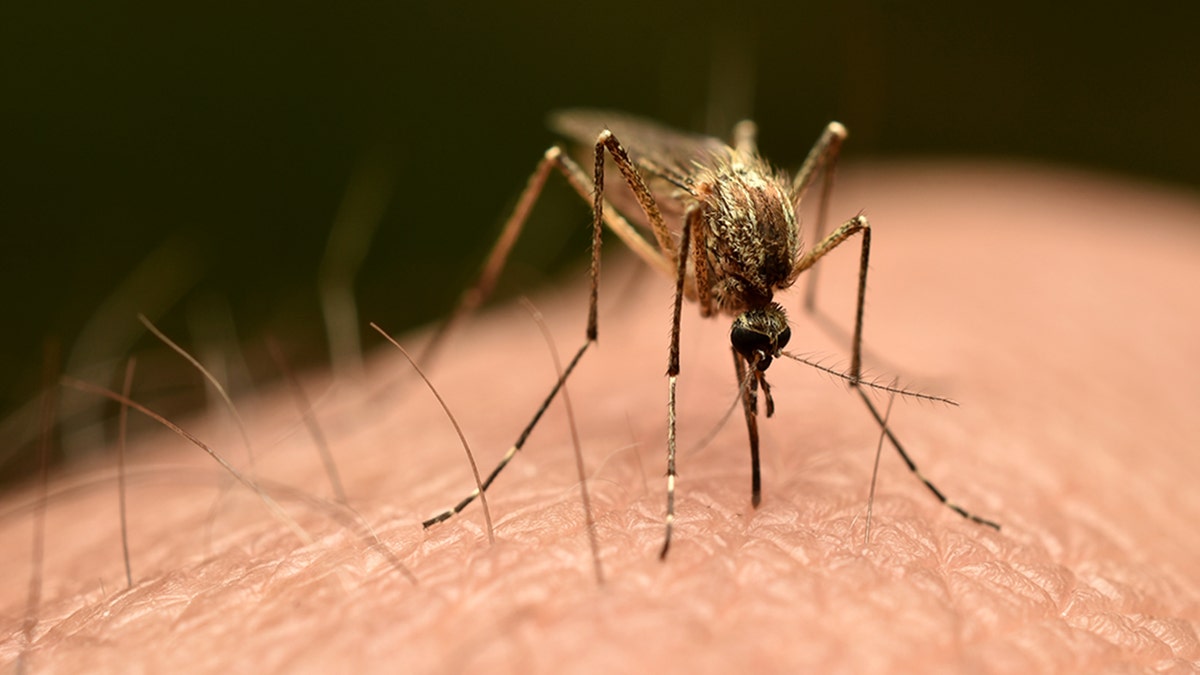
Florida mosquito-control agencies are enhancing their efforts for surveillance, inspections, and spraying as they anticipate a rise in locally acquired dengue fever cases, particularly in Tampa Bay and statewide. As of September 1, 33 dengue cases have originated in Tampa Bay, contributing to a total of 41 cases throughout Florida. Fox 13 Tampa Bay highlighted the likelihood of further increases.
Locally acquired cases imply that individuals contracted dengue in their residing area, not abroad. The Florida Mosquito Control Association (FMCA) documented 30 confirmed cases in Hillsborough County, seven in Miami-Dade County, three in Pinellas County, and one in Palm Beach County.
Hillsborough and Pinellas counties are on alerts for mosquito-borne illnesses, as issued by the Florida Department of Health. (iStock)
Dengue is a viral illness spread by mosquitoes, often causing fever, severe body aches, nausea, rash, and in rare instances, life-threatening complications, based on the Centers for Disease Control and Prevention (CDC). The virus thrives more in tropical areas like Southeast Asia, the Western Pacific islands, Latin America, and Africa. Although less common in the continental U.S., Florida, California, and Texas have recorded locally acquired cases.
Hawaii has seen outbreaks before, and the virus is typical in U.S. territories including Puerto Rico, the U.S. Virgin Islands, and American Samoa. In May, the CDC noted 2024 as a record year for dengue in the U.S., with 3,798 cases reported from states and the District of Columbia, marking a 359% surge over the average for 2010 through 2023. Travel-related cases made up about 97%, while around 3% were locally acquired.
Florida led the numbers with 1,044 dengue cases, exceeding a quarter of the total in the U.S. that year; it registered 85 locally acquired cases across 10 counties compared to 18 in California and two in Texas.
Alissa Berro, Director of Pinellas County Mosquito Control, emphasized, “Dengue does not stop at county lines. Though the mosquitoes carrying the virus tend to remain within a limited vicinity, people travel throughout the Tampa Bay area daily. An infected individual entering a new area could be bitten by a local mosquito, which might then disseminate the virus to others.” This movement increases the threat of further local transmissions.
Control Measures
Florida’s mosquito-control teams are ramping up aerial and ground treatments in areas with dengue presence, while also inspecting private properties for potential mosquito breeding sites.
- FMCA advises residents to remove or conceal standing water to deter breeding.
- The dengue-spreading mosquito lays eggs in items like buckets, planters, and even discarded toys with small water amounts.
The FMCA recommends the “three Ds” for protection:
- Dress in long sleeves, light colors, and closed-toed shoes outdoors.
- Defend using a repellent with DEET, picaridin, IR3535, or oil of lemon eucalyptus.
- Dump standing water from containers nearby and check yards consistently.
While most people with dengue recover within a couple of weeks, some cases escalate to severe dengue, which is potentially fatal. Warning signs can develop swiftly post-fever, including intense stomach pain, repetitive vomiting, peculiar bleeding or bruising, breathing difficulties, and extreme fatigue or restlessness.
Those exhibiting severe dengue symptoms should seek immediate medical care.
Written by Teresa Mull, a freelance contributor with the Lifestyle team at Fox News Digital.