Escalation of Houthi Attacks on Saudi Arabia
Renewed Conflict between Saudi Arabia and Houthis
A surge of Houthi attacks in Saudi Arabia resulted in over 70 injuries and significant fires at oil facilities in the kingdom’s southern region. This escalation marks a major intensification of the ongoing conflict involving the U.S.-ally Saudi Arabia and the Iran-backed Houthis in Yemen.
These strikes come amid rising clashes between the Houthis and Saudi-backed government forces in Yemen, leading to the breakdown of a four-year truce in the nation’s civil war. The intensified conflict further destabilizes a region already fraught with war and brings additional uncertainty to the global economy.
Implications for Global Shipping Routes
The hostilities threaten shipping through the Bab al-Mandeb Strait, a vital route for oil and global trade. This conflict coincides with disruptions caused by the Iran war, which has almost halted movement through the Strait of Hormuz—previously a key channel for global oil trade.
Government forces report territorial gains in Yemen, specifically in Hodeida, Taiz, and Baydah provinces. In contrast, the Houthis continue to target Saudi oil infrastructure in the Red Sea.
Details of the Attacks
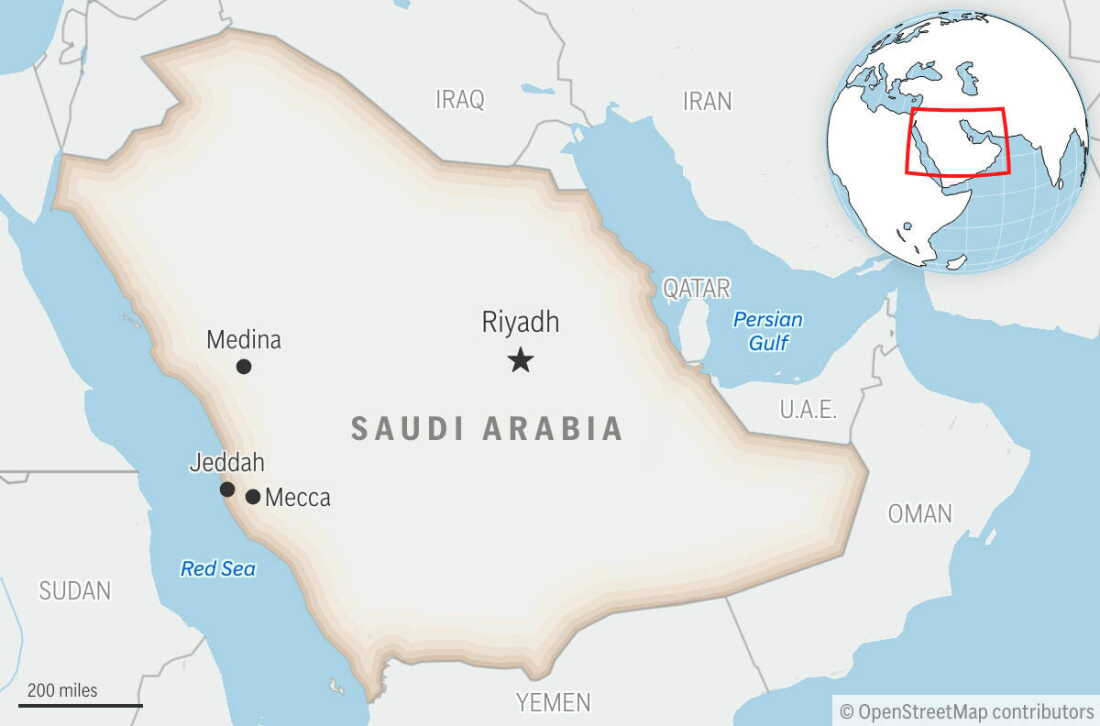
The attacks concentrated on the cities of Abha, Jazan, Najran, and Khamis Mushait. Maj. Gen. Turki al-Malki of the Saudi-led coalition stated that 73 people, including women and children, were injured during these incidents. Fires erupted at multiple oil facilities temporarily halting operations.
Al-Malki labeled the strikes a serious escalation and a blatant attack on Saudi sovereignty, pledging decisive retaliatory measures against the Houthi forces.
Houthi Response and Retaliation
The Houthis claimed responsibility for the assaults, framing them as a retaliation against Saudi actions in Yemen. Asserting the usage of ballistic missiles and drones, Brig. Gen. Yahya Saree emphasized targeting industrial zones and Saudi military infrastructure.
Houthi media representatives echoed this sentiment, highlighting their intent to exert pressure on Saudi Arabia for alleged transgressions against the Yemeni population.
Consequences and Displacement
This wave of conflict also prompted displacement within Yemen, with approximately 18,500 people forced to flee their homes in Taiz and Hodeida.
The IOM expressed concern regarding the conditions facing displaced families, many of whom lack basic necessities and have experienced repeated displacements.
Historical Context
The Yemeni civil war originated in 2014 following the Houthi capture of Sanaa and northern territories, leading to a Saudi-led intervention in support of the Yemeni government. The prolonged conflict has resulted in significant casualties and widespread humanitarian crises.