Broccoli City: A Cultural Platform for Community and Music
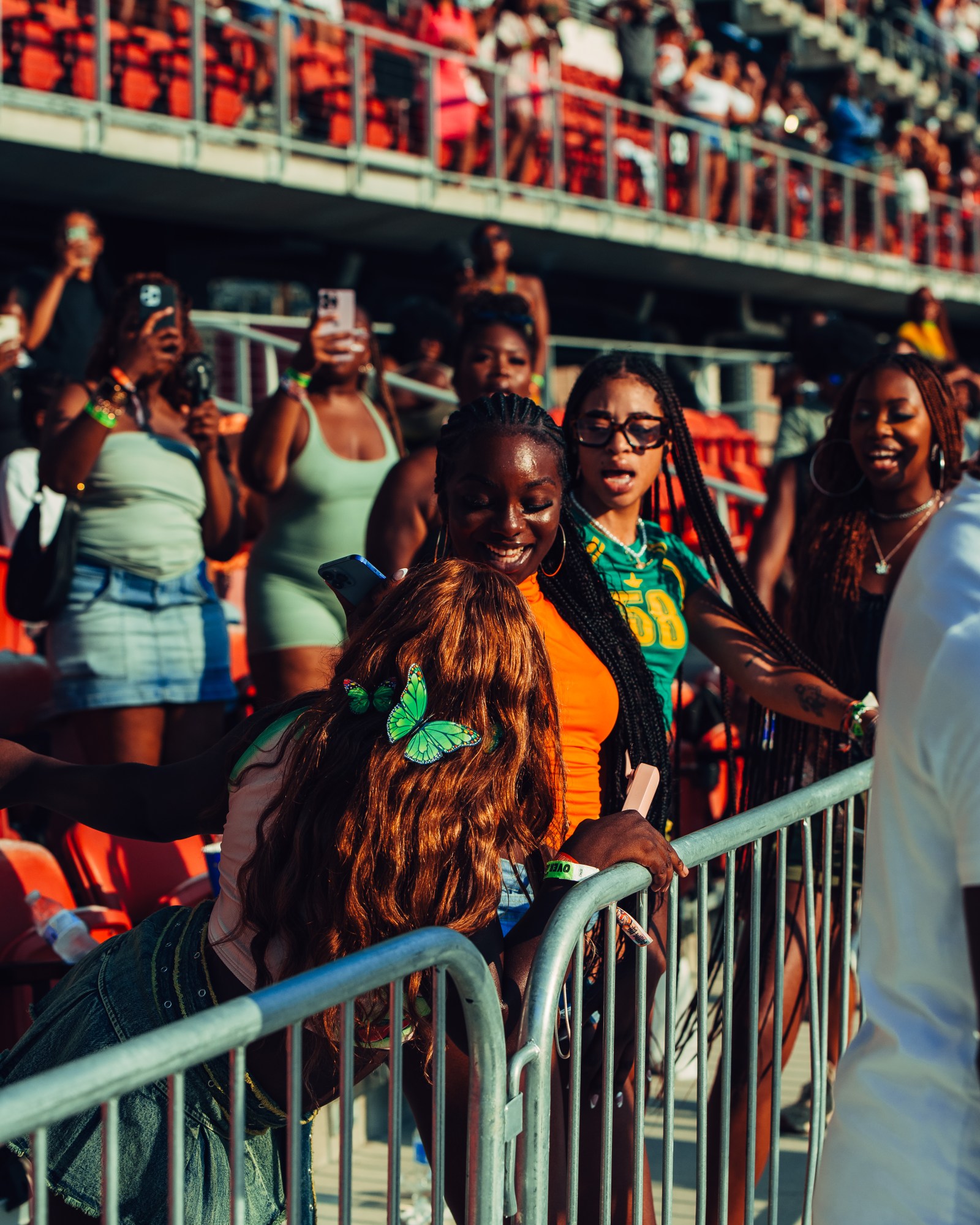
Before Brandon McEachern and his team established Broccoli City as a reputable cultural platform, he was in search of a venue where music, entrepreneurship, wellness, and community could seamlessly blend. During the rise of blogging, when websites like 2DopeBoyz offered fresh music discoveries, McEachern saw a unique opportunity. ‘At the time, I didn’t see anything really geared toward us,’ he told Newsweek, reminiscing about the early discussions that led to the formation of Broccoli City around 2009 and 2010. ‘I thought it would be amazing to create something centered around us.’
A clothing line inspired the name, Earth Day provided the occasion, and Los Angeles served as the first location. Although some associated ‘Broccoli City’ with marijuana, McEachern envisioned a broader focus on organic living, local commerce, and a diverse cultural lineup. ‘People associated it with weed,’ he stated, ‘but we were about community.’
The first event in Los Angeles featured artists like Dom Kennedy, Kendrick Lamar, Casey Veggies, and Pac Div, whose work mirrored the creative energy of that period. When McEachern moved the concept to Washington, D.C., Big K.R.I.T. headlined, while vendors, juice stands, and clothing brands added depth beyond the musical performances. ‘It was about health, community, wellness, and entertainment,’ McEachern explained.
Expanding Across Cultural Spectrums
As Broccoli City grew, McEachern realized the importance of a diverse lineup. To truly reflect the audience, the festival needed to feature a range of sounds, styles, and experiences, with a stronger representation of women artists. ‘We need women in the mix,’ he emphasized, explaining the blend of hip-hop with R&B, alternative music, and emerging artists.
A festival edition included acts like H.E.R., Daniel Caesar, Nipsey Hussle, Migos, and Cardi B. Another featured Jhené Aiko, Anderson .Paak, The Internet, and Sango. Early performances helped introduce audiences to Kaytranada before he became widely known. ‘Black people are all through the spectrum,’ McEachern remarked, acknowledging the varied musical tastes within their community. Keeping current with younger audiences ensures the programming stays relevant.
Affordable Access to Live Music
Affordability remains a cornerstone of McEachern’s vision. Growing up in Greensboro, North Carolina, and then moving to Los Angeles, he recognized the high costs people face. Artist fees, production, and venue expenses often drive prices up, but Broccoli City countered this with sponsorships and public partnerships. ‘It’s pointless if our people can’t afford to attend and enjoy,’ McEachern stated.
For events like Holding Hands, an R&B-focused experience, support from partners like AT&T allowed for $25 tickets. ‘We’re reading the room,’ McEachern said, referencing the economic realities many face. Talent quality remained high, with artists like Summer Walker providing value that exceeded the price. ‘Affordable tickets should not compromise the talent,’ he asserts.
Building a Community Connection
Music draws attendees in, but McEachern sees the festival’s impact between performances. Here, attendees find collaborators, local vendors meet customers, and content creators discover new material. ‘I know people who started businesses after meeting at Broccoli City,’ he shared.
The vibe mirrors a historically Black college’s homecoming feel with the exploratory nature of a music festival. ‘You’re looking around and seeing yourself,’ McEachern noted. This atmosphere is intentional, creating an inclusive and culturally reflective space.
Commerce, Careers, and Confidence
Broccoli City’s marketplace operates on the same principle as the music platform. It supports entrepreneurs who sell clothing, food, and products. ‘We provide platforms for artists—why not for young entrepreneurs?’ McEachern questioned.
BroccoliCon extended this to professional growth, offering attendees sessions on practical skills, from creating decks to securing sponsorships. Later editions included job fairs because McEachern believes the experience should provide real outcomes. ‘Our role is to uplift, not gatekeep,’ he affirmed.
Looking Beyond the Festival’s Roots
McEachern envisions the Holding Hands model flourishing in cities lacking major cultural events if aligned with strong sponsors, established venues, and local partners. The approach involves fewer infrastructure costs and can incorporate local talent.
‘We need some good acts and local community collaboration,’ he suggested. Expansion depends on audience feedback, as positive responses influence future sponsorship and event planning. ‘If you had a good time, share that,’ McEachern urged.
Driven by the principle of providing entertainment, opportunities, and validation, Broccoli City aims to expand. ‘More experiences from our perspective are necessary,’ McEachern concluded.