Sweden’s Election: Crime, Migration, and Economic Concerns Shape the Debate
As Swedes head to the polls, Prime Minister Ulf Kristersson’s center-right party faces a tight race against the center-left Social Democratic Party led by former Prime Minister Magdalena Andersson. This election is deeply influenced by issues surrounding mass migration, rising crime rates, and economic challenges.
Daniel Schatz, a foreign policy expert, highlights that Sweden has been grappling with gang violence, Islamist extremism, unemployment, and strained public services. These factors have fueled the debate over whether integration measures have kept up with immigration.
“Years of gang violence, Islamist extremism, persistent unemployment, and pressure on public services have intensified the debate over whether integration has kept pace with immigration,” Schatz noted.
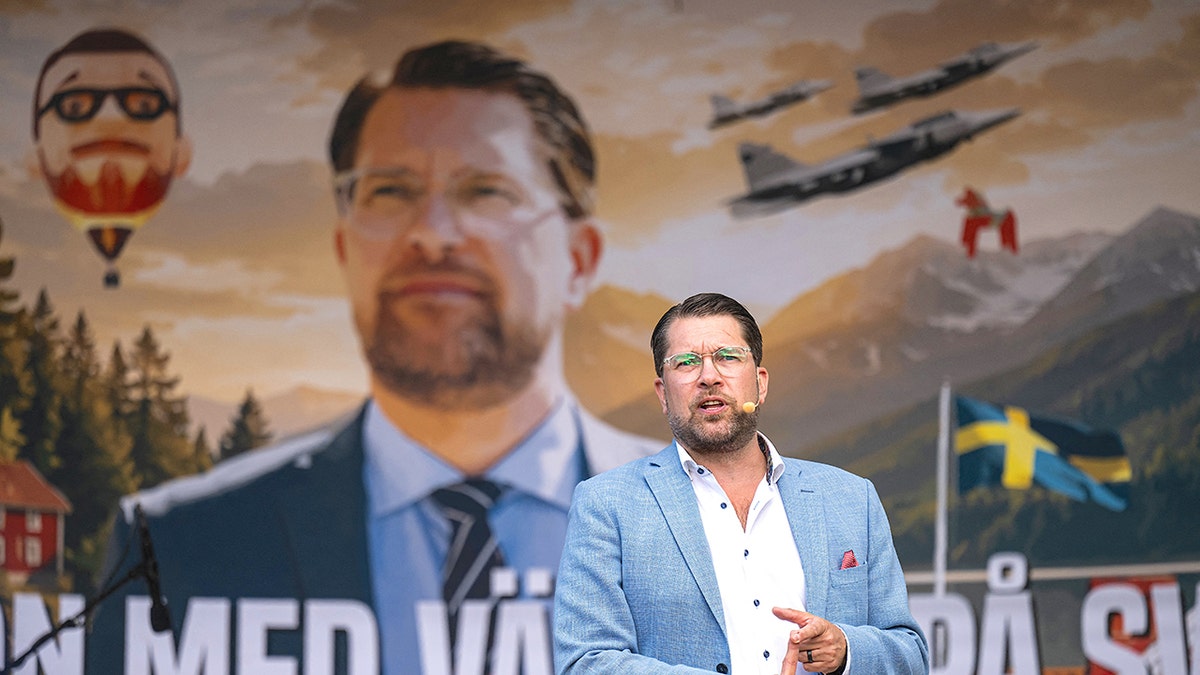
The Sweden Democrats, led by Jimmie Åkesson, have made significant gains in the political sphere. Founded by far-right extremists, the party has shifted towards the mainstream, toning down its rhetoric and removing members with racist views. The party, which supports Kristersson’s government from outside, could gain cabinet positions if Kristersson’s party wins.
Sweden, known for its social welfare model, is under economic pressure. Crime rates have risen, prompting changes in welfare policies. Despite these changes, the demand for public benefits remains.
“Sweden went from being described as a ‘humanitarian superpower’ to a ‘humanitarian basket case,'” Schatz explained, discussing the dissatisfaction with migration policies among both foreign-born and native-born residents.
Gun violence has been a significant issue. In 2022, Sweden experienced a rise in gun-related violence, recording 391 shootings with 62 deaths. The country’s homicide rate is notably higher than the European average.
Immigration is another key concern. In 2015, Sweden welcomed over 160,000 asylum seekers, straining its reception system. Since then, border controls have tightened substantially.
Professor Nicholas Aylott of Södertörn University explains that the link between immigration and crime significantly altered Swedish politics. “Migration and law-and-order became much higher electoral priorities,” Aylott said.
“The Sweden Democrats based their pitch on them. The other parties, rather belatedly, adapted their positions,” Aylott added.
While asylum requests have dropped and gun violence has decreased, with only 158 shootings and 44 fatalities to date, the election remains uncertain. Andersson’s center-left coalition leads in the polls, posing a challenge to Kristersson’s government.