Understanding the Long-Term Health Effects of the 9/11 Attacks
Lasting Health Impacts of 9/11
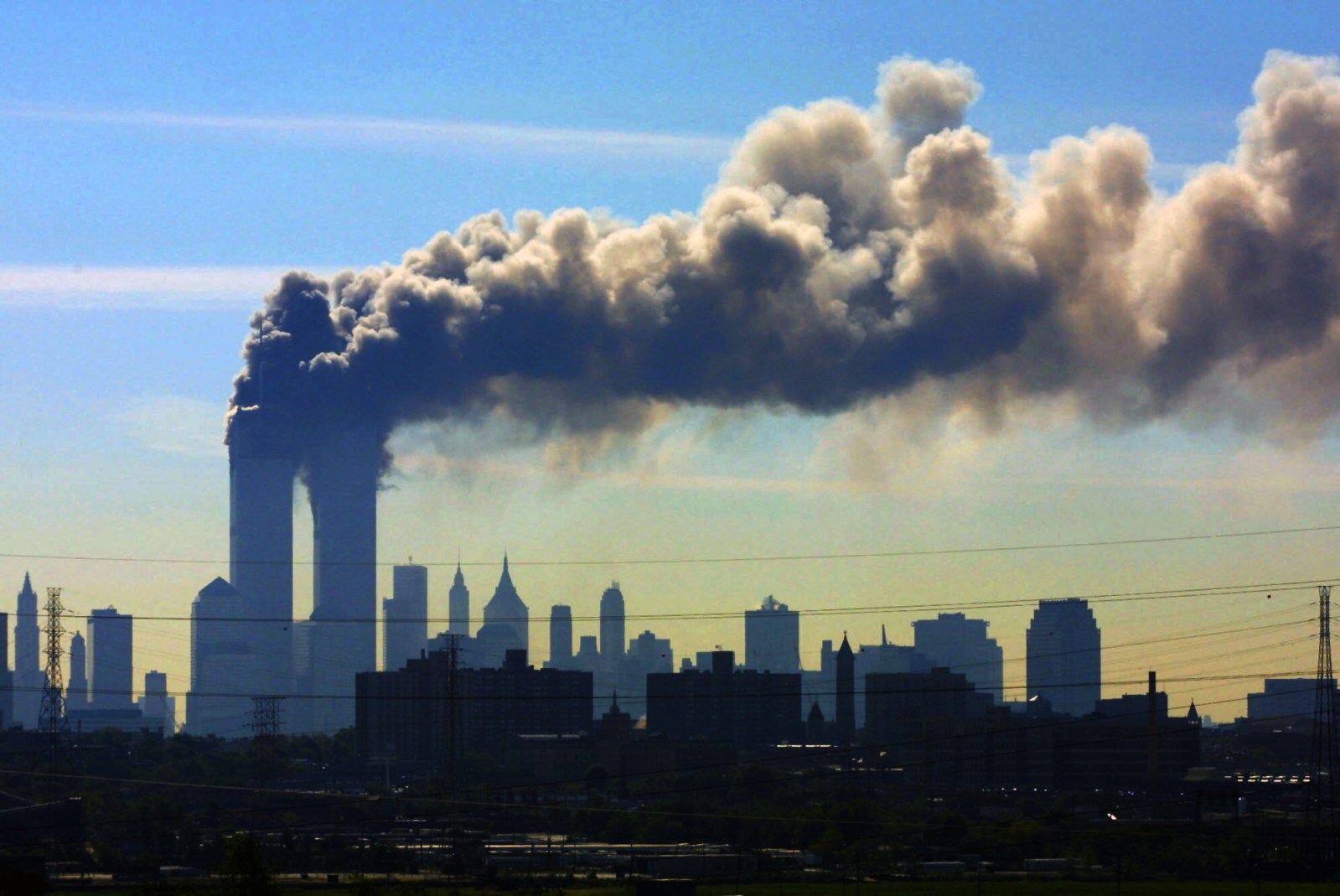
Following the September 11, 2001, terrorist attacks, numerous individuals continue to face long-term health issues linked to the environmental toxins encountered during the disaster. Researchers from the U.S. Centers for Disease Control and Prevention (CDC) emphasize the ongoing health challenges stemming from the massive dust cloud that enveloped lower Manhattan.
Alejandro Azofeifa, a health scientist at the World Trade Center Health Program, explained the extent of exposure to harmful pollutants. Many people, including those at the crash sites and nearby areas, were exposed to hazardous materials due to the outdoor dust cloud, indoor dust, and fire fumes.
Health Conditions and Monitoring Needs
The review published in JAMA highlights that individuals exposed to these toxins have developed various health conditions, such as cancer, respiratory diseases, mental disorders, and gastroesophageal reflux disease. Researchers stress the importance of continuous clinical monitoring and research to address these evolving health needs.
More than 9,400 people have died from illnesses related to the 9/11 attacks. Of those fatalities, 2,977 occurred during the attacks, impacting passengers, civilians, and first responders. Additionally, data shows that approximately 57,000 cancer diagnoses have been certified by the World Trade Center Health Program.
Program Enrollment and Findings
As of June 2026, over 155,000 responders and survivors are enrolled in the World Trade Center Health Program, which offers medical monitoring and treatment for health conditions linked to 9/11.
Azofeifa notes that 67 percent of enrolled individuals have at least one certified health condition related to World Trade Center exposure. Those exposed have a higher prevalence of chronic illness and poorer health-related quality of life.
Composition of the Toxic Dust
The dust cloud present after the collapse of the World Trade Center towers contained various harmful substances, including asbestos, lead, pulverized cement, and glass fibers. Studies have connected exposure to particulate matter and volatile organic compounds with multiple health problems such as lung and heart diseases.
The Harmful Effects of Dust Exposure
Dr. Jacqueline Moline, a professor at the Feinstein Institutes for Medical Research, commented on the alkaline nature of the dust, which allowed it to penetrate deeply into body tissues and cause immediate irritation, leading to long-term health issues like sinus problems, asthma, and cancer.
Implications for Future Disaster Responses
CDC researchers stress the importance of not ending disaster response when immediate recovery concludes. Long-term surveillance and coordinated care systems help identify emerging health problems and support affected populations. Azofeifa advises early preventive actions and the use of personal protective equipment for responders during future events.
City Initiatives for Increased Transparency
New York City has launched an online portal providing access to air quality reports, health records, and other materials related to 9/11. Officials advocate for greater transparency regarding the long-term consequences of the disaster, with Mayor Zohran Mamdani including funding for the portal’s maintenance in the city’s fiscal year budget.
The portal includes documents related to asbestos findings, environmental testing, cleanup operations, and the reopening of Lower Manhattan. The release of these records addresses the concerns of transparency and provides insight into the health impacts experienced by the 9/11 responders and survivors.