Guide to Composting for Reducing Food Waste
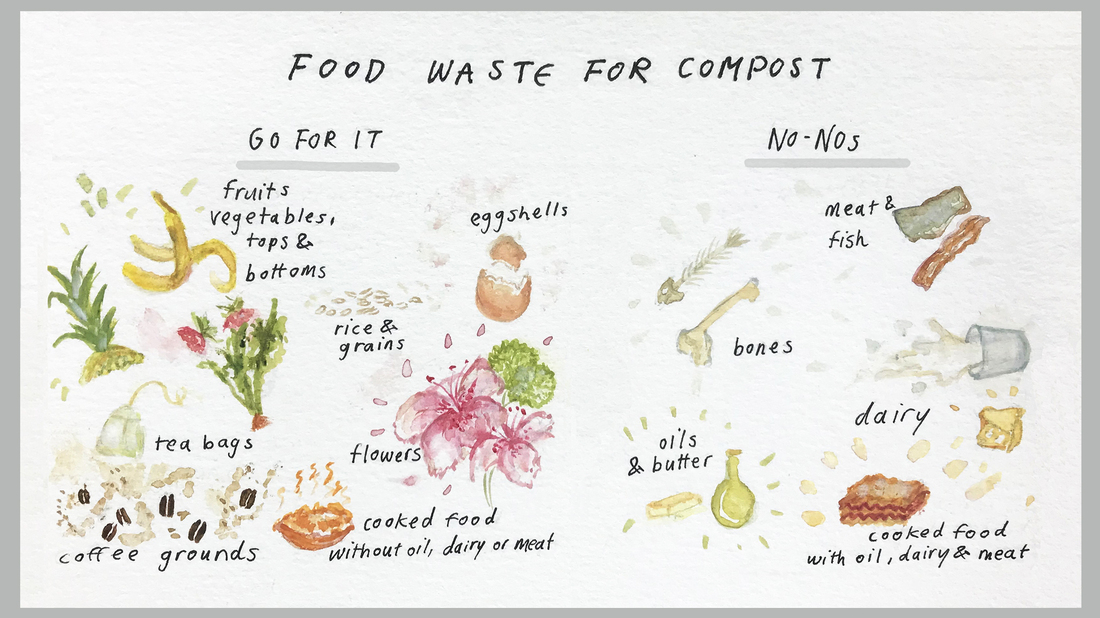
Climate change impacts the way we produce and consume food, and vice versa. NPR dedicates a week to explore solutions. Around 8% of global emissions stem from food waste. In the U.S., about 30% to 40% of food is wasted. By meal planning and composting, you can combat climate change effectively. This guide offers a straightforward approach to turning your household food waste into rich compost in five steps, suitable for both suburban homes and small apartments.
1. Select Your Food Scraps
Start with fruits and vegetables, such as sweet potato skins and strawberry tops. Include materials like tea bags, coffee grounds, eggshells, old flowers, and even human hair. Avoid meat and dairy due to the risk of attracting pests. Leonard Diggs from Pie Ranch Farm advises avoiding cooked foods, oily items, and bones. Some products labeled as “compostable” may not be suitable for home composting.
2. Store Food Scraps
Store food scraps properly to add them gradually to your compost. Use any container — even an old milk carton — to hold these scraps until ready. Freezing them can prevent odors and pests.
3. Choose a Composting Location
Assess your living space. Without a backyard, consider utilizing a shared community compost pile or start vermicomposting with worms. Jeffrey Neal, from Loop Closing, suggests using a small box, 5 gallons or larger. Alternatively, Bokashi fermenting is an option. Consider community programs to handle your food scraps. For those with outdoor space, a simple setup is adequate — an old trash bin or wooden chest works, or just a straightforward compost heap.
4. Create Compost Mix
“Greens” are nitrogen-rich items like fruit scraps and coffee grounds. “Browns” provide carbon, such as newspaper and leaves. Balance by layering browns at the bottom and greens on top. Proper aeration allows microorganisms to function effectively. Keep the material dry by using browns to absorb wetness. Aim for a three-to-one ratio of browns to greens.
5. Wait and Aerate
Decomposition time varies — around two months in warm weather, and longer in colder conditions. Regularly turn your compost to facilitate airflow. Properly balanced compost doesn’t smell bad. If a bad odor persists, adjust the moisture or green-to-brown ratio.
Once complete, use the fluffy, earthy compost in your garden, houseplants, or donate it. Encountering obstacles is natural, but persistence is key.
Resources
Check these resources for additional support:
– Texas A&M AgriLife Extension’s trouble-shooting guide
– Loop Closing’s worm and Bokashi resources
– Oregon State’s comprehensive composting guides
– Cornell University’s extensive composting resources
Share your tips with us via voicemail or email for potential inclusion in future episodes. Subscribe to our Life Kit newsletter for more insight.
Produced by Audrey Nguyen.