U.S.-China Summit: Strategic Decisions Amidst Diplomatic Tensions
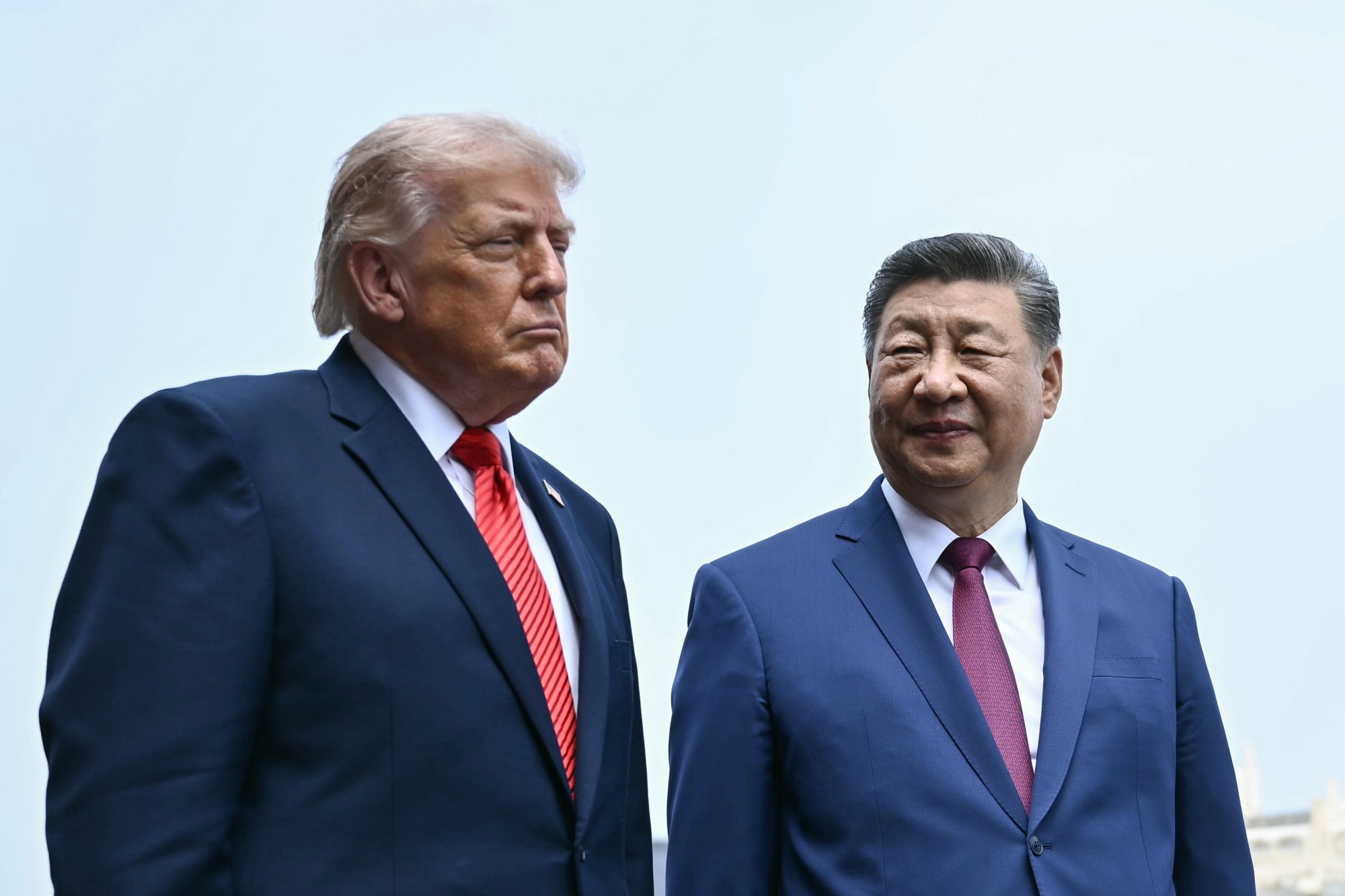
The upcoming meeting between U.S. President Donald Trump and China’s leader Xi Jinping in Washington holds significant potential for impactful outcomes on international relations. The choice of Washington as the venue offers a strategic edge to the U.S.
Historically, U.S. presidents have made considerable concessions to China in the realm of Taiwan policy. For instance, Richard Nixon initiated the de-recognition of Taiwan in the 1972 Shanghai Communiqué, fully carried out under Jimmy Carter. Bill Clinton, during his 1998 visit to China, stated the ‘three nos’: no support for Taiwanese independence, no ‘Two Chinas’ policy, and no endorsement of Taiwan’s participation in international bodies.
Holding the summit in the U.S. gives Trump a slight advantage, crucial as it precedes the midterm elections. Nonetheless, Trump’s eagerness for a favorable trade deal might undermine this advantage, possibly leading to political repercussions if concessions are seen as weakening U.S. commitment to Taiwan.
Xi Jinping, aware of Trump’s domestic and strategic pressures, might negotiate by providing Trump a minor trade success while nudging him towards concessions on Taiwan — a scenario that could portray Trump as yielding under pressure.
Trump has, until now, maintained a narrative of a positive relationship with Xi, even after the COVID-19 pandemic illuminated Xi’s misinformation on the virus’ severity. This relationship dynamic further complicates the negotiations, as Trump seeks short-term gains amid dwindling political leverage.
In a strategic counter-move, Trump could propose to Xi an agreement wherein China permanently renounces force against Taiwan, and Taiwan refrains from declaring formal independence for a decade or until Xi’s presidency concludes. This move would affirm Taiwan’s autonomy with continued U.S. military support and might eliminate the ‘strategic ambiguity’ policy initiated in the Clinton era, affirming that any aggression by China would prompt U.S. recognition of Taiwan’s independence.
Joseph Bosco, a former China director for the Secretary of Defense, suggests this decisive stance as a potential path to uphold regional peace.