Trump Proposes AI Force and Appoints AI ‘Czar’
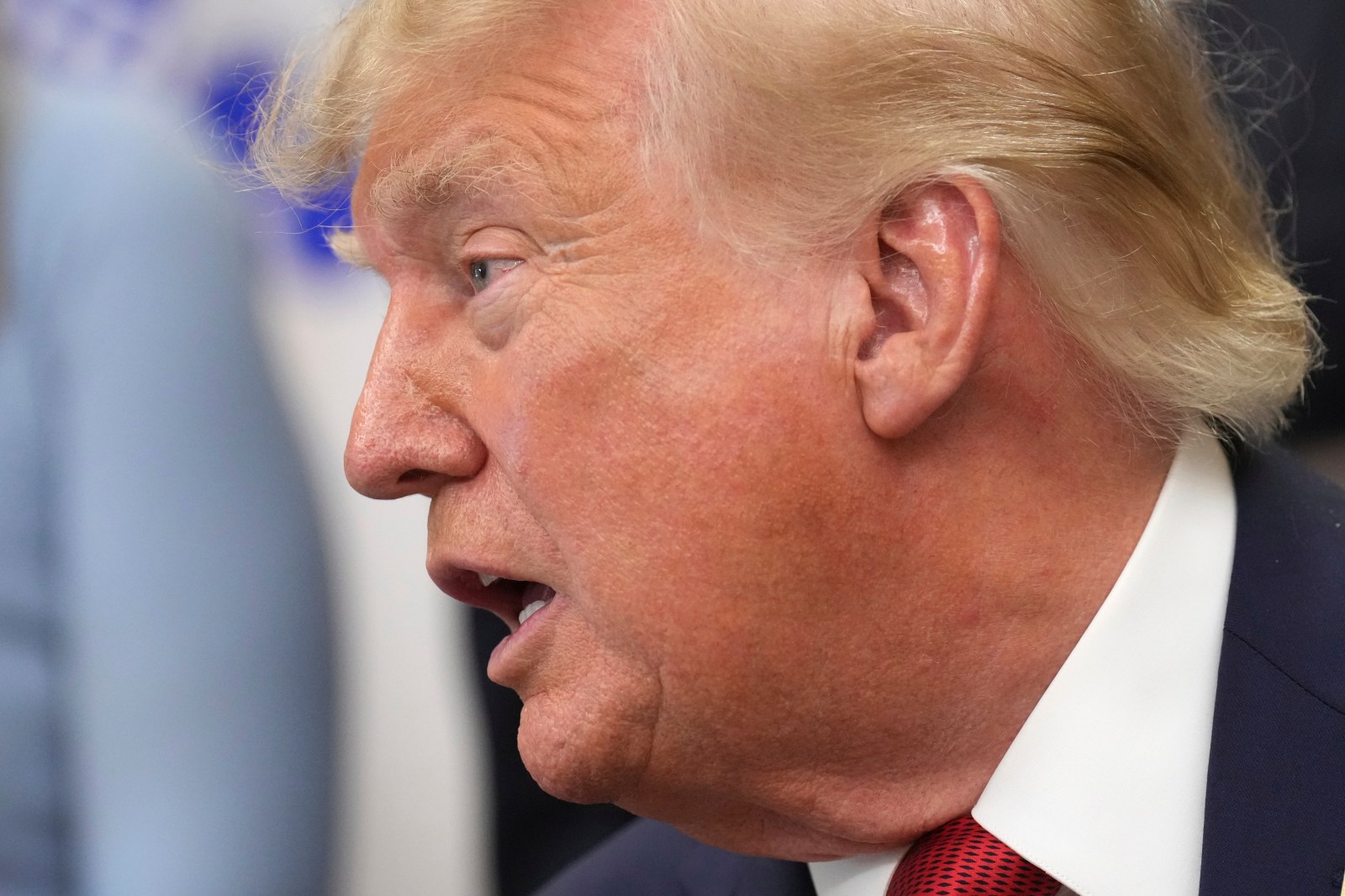
President Donald Trump announced plans to create an ‘AI Force’ and appoint an artificial intelligence ‘czar.’ This marks a shift from his recent stance against regulating the technology sector. Trump conveyed this through a Truth Social post, stating the initiative aims to oversee AI without hindering its growth.
The president emphasized that current criminal and civil laws sufficiently address misconduct by AI companies. He likened this initiative to the establishment of the Space Force during his first term, attributing its success to visionary leadership. Trump underscored the importance of maintaining the U.S.’s lead in the AI sector, viewing AI as potentially contributing 25% to the U.S. GDP.
The proposal lacks details regarding structure and staffing but emerges amid growing debates on AI’s impact on U.S. economic and security policies. Newsweek attempted reaching the White House for comment on the matter.
Prominent tech leaders like Dario Amodei from Anthropic, OpenAI’s Sam Altman, and Elon Musk advocate for stronger AI regulations. They argue for safety measures that match the power of advanced AI models. Trump’s recent dismissal of concerns around advanced AI highlights an evolution in his administration’s approach, prior dismissing calls for more oversight and labeling existential risks associated with AI as a hoax.
“The opportunity is not simply to create another government organization,” said John Walsh, IGEL’s chief technology officer for government and critical infrastructure. He emphasized the importance of creating an ecosystem that promotes AI safety and security.
Walsh suggested that regulation should aim at establishing standards and certifications, citing the automotive industry’s approach as a model. He stressed that trust in AI should become an engineering discipline as AI systems become increasingly capable of accessing systems and modifying configurations.
Industry and Bipartisan Calls for AI Regulation
Calls for AI oversight span political affiliations and industry leaders. Dario Amodei published an essay advocating for slower development. Sam Altman supported careful frontier AI development, while Elon Musk highlighted risks of advanced AI systems.
AI researcher Jacob Coxon’s recent departure from Anthropic resulted from concerns over superintelligent AI systems posing threats. Coxon cautioned against AI systems gaining significant power and resources.
Efforts for AI governance are not limited to industry experts. Federal AI legislation proposals have emerged, reflecting bipartisan interest. Vermont Senator Bernie Sanders and Florida Representative Anna Paulina Luna voiced urgency for Congress to regulate AI advancements.
Representatives Ted Lieu and Nathaniel Moran proposed bipartisan legislation mandating AI developers to retain control over AI systems. This legislation intends to grant the Secretary of Homeland Security authority to intervene if AI is deemed harmful.
What Happens Next
As the U.S. readies for discussions with China on AI competition, Trump’s proposed ‘AI Force’ could influence American and global AI policies. The administration’s next steps could significantly impact how advanced AI systems are governed worldwide.
Newsweek’s team, assisted by the AI tool Martyn, contributed to this story. For inquiries, contact editors Steve Mollman and Anthony Murray.