Puerto Rico Water Crisis Raises Concerns Over Infrastructure and Civic Engagement
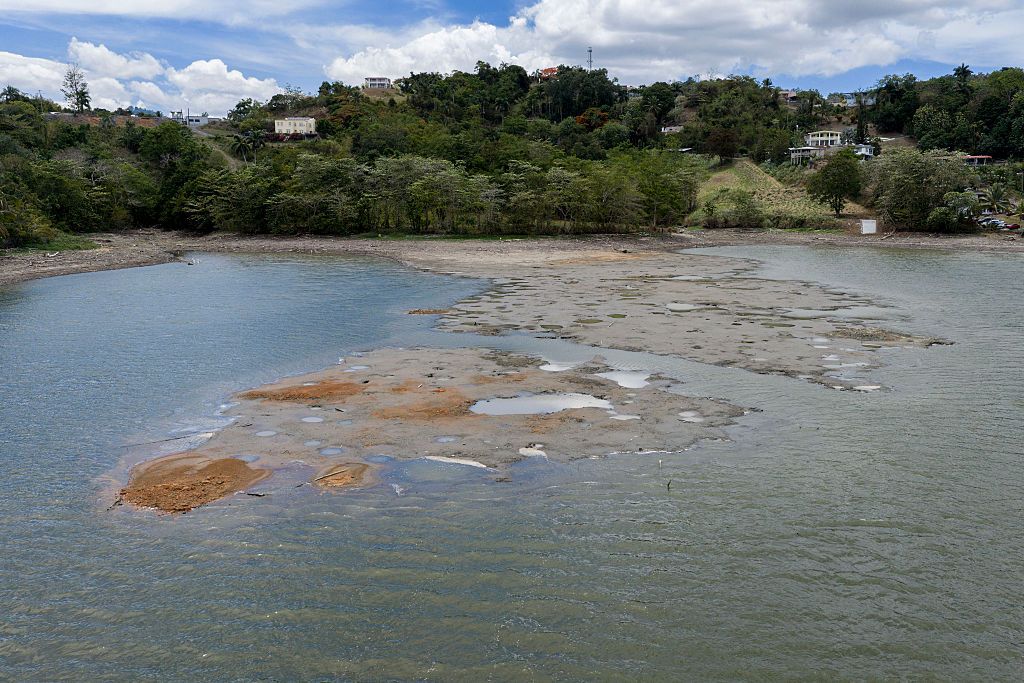
Puerto Rico is currently facing a severe water crisis, impacting hundreds of thousands of residents due to drought conditions and aged infrastructure. These challenges have exposed significant weaknesses in the island’s water system, a situation reminiscent of problems revealed by Hurricane Maria nine years ago. Advocates argue that the crisis highlights a long-standing disconnect between the citizens and the institutions responsible for essential services.
As local authorities manage the shortages, urgent questions about accountability and transparency are arising. There are growing demands from residents seeking effective action before another crisis hits. According to a statement from the White House, monitoring of the situation is ongoing, though inquiries made by Newsweek to the Puerto Rico Aqueduct and Sewer Authority (PRASA) about their plans for infrastructure modernization and drought response are still awaiting a response. Details will be added upon receipt.
Infrastructure Deficiencies Contributing to the Crisis
Drought and a deteriorating water distribution system are the immediate causes of this crisis. July’s weather report revealed San Juan faced its driest month in over 120 years. Consequently, water reserves decreased rapidly, necessitating temporary rationing measures across various municipalities. Despite the immediate drought conditions, underlying infrastructural issues have been persistent. According to a report by the New York City Bar Association’s Puerto Rico Task Force, water shortages have been a recurring problem since long before Hurricanes Irma and Maria. PRASA reportedly loses up to 65 percent of produced water due to leaks and system failures.
In June, a significant pipeline failure highlighted the system’s vulnerabilities, requiring emergency interventions to stabilize services temporarily. These measures, however, failed to address larger issues surrounding the system’s maintenance, modernization needs, and long-term viability. This situation is reminiscent of the concerns arising after Hurricane Maria, which spotlighted neglect within critical infrastructure systems.
Lessons from Hurricane Maria
Nine years ago, Hurricane Maria wreaked havoc on Puerto Rico, causing widespread destruction and initiating a profound humanitarian crisis. The aftermath of Maria exposed critical weaknesses in infrastructure, emergency responses, and governmental coordination. Jennice Fuentes, founder of BoricuActivatEd, emphasized that while there wasn’t a lack of civic knowledge, the disaster revealed a gap between the public’s will to act and understanding of governmental functions.
Communities mobilized quickly after Maria, organizing relief efforts despite struggling to identify the authorities responsible for key decisions. Fuentes highlighted the need for civic knowledge as crucial beyond immediate emergencies, underscoring the importance of knowing where authority lies to direct advocacy and hold people accountable.
Fuentes urges the importance of understanding governmental roles, famously stating, “Don’t trust your government, but learn your government.” She emphasizes that while civic knowledge doesn’t directly prevent disasters, it equips citizens to demand answers and engage effectively post-crisis.
Accountability and the Water Crisis
The current crisis reveals deeper issues of accountability beyond infrastructural failures. Fuentes argues that while civic engagement is vital, it shouldn’t replace governmental responsibility for ensuring essential services. Fragmented authority across federal, territorial, and local agencies complicates residents’ ability to pinpoint who is accountable when services falter.
Understanding these governance dynamics remains crucial for residents facing days without reliable water, and they impact public health, work schedules, education, and economic stability. In reaction to lessons learned from Hurricane Maria, BoricuActivatEd emerged to enhance civic understanding and engagement.
Between Emergencies: Sustaining Civic Engagement
Despite notable improvements in reservoir levels due to recent rainfalls, Fuentes urges the continuation of civic engagement beyond immediate crises. Continued public participation is essential for responsible governance, as many decisions shaping future crises arise from budgets, planning, and agency decisions unnoticed by the public.
Fuentes states that genuine civic power involves engaging proactively, not just reacting in emergencies. She aims for widespread civic literacy by 2030, believing stronger accountability will arise from informed citizenries capable of understanding governmental processes and responsibility.
Fuentes calls for constant federal engagement with Puerto Rico, challenging the episodic attention it often receives during disasters. Civic power is vital for demonstrating effective advocacy and ensuring lasting positive change, empowering citizens to navigate the mechanics of power confidently.