Potential Ban on 7-OH and Its Impact on Illinois
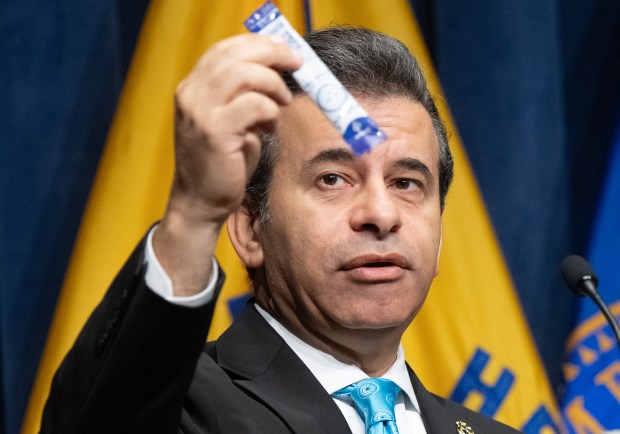
Many people in Illinois might not be familiar with 7-OH, despite warnings from federal officials that this substance could contribute to a new opioid epidemic. The substance, often found in tablet, liquid, and gummy form in vape shops and convenience stores, has prompted a federal proposal to ban it. This proposal has caused businesses in Illinois to quickly remove it from their shelves, while addiction recovery services prepare for a potential increase in patients if 7-OH becomes unavailable.
Rising Concerns
Dr. David Kushner, medical director at Brightside Recovery in Northbrook, said there’s been a dramatic increase in new patients due to 7-OH. The compound, 7-hydroxymitragynine or 7-OH, is a minor component of the kratom plant. In recent years, high concentrations of 7-OH have been sold in various products, acting like an opioid in the body.
Recently, the U.S. Drug Enforcement Administration (DEA) proposed adding products with elevated 7-OH levels to the Schedule I substances list, which includes drugs like LSD and heroin that have high abuse potential and no medical use. This move would make 7-OH products illegal. The comment period on this proposal ended on September 10, and there is no clear timeline for a final decision. Should the change occur, an order could place 7-OH on Schedule I for up to two years, according to the U.S. Food and Drug Administration (FDA).
Business Response
Without waiting for a final decision, many businesses have taken action. An unnamed vape shop owner in the Chicago area reported clearing their 7-OH products after learning about the potential ban. Similarly, Phil Atteberry from Brightside visited around 50 vape shops to inform them about the proposed change and distribute treatment resources. The shops were receptive, with most having stopped buying 7-OH.
Withdrawal and Treatment
Health professionals worry that a ban might lead many 7-OH users to experience withdrawal, with symptoms such as nausea, pain, and depression. Dr. Kushner described it as similar to a severe flu. Laura Fry, CEO of Live4Lali, mentioned that a hotline saw rising calls from individuals struggling with 7-OH over the summer. Dr. Puneet Lakhmani of Rosecrance Therapies noted that some users were not aware of 7-OH’s addictive nature prior to using it.
Jim Scarpace from Alpharus Health highlighted that some users switched to other opioids, experiencing negative effects like seizures. As 7-OH becomes less accessible, Scarpace anticipates an increase in demand for addiction treatment.
Personal Story and Broader Implications
Ryan, a Chicago suburb resident, shared his story of addiction to 7-OH after suffering from prior opioid addiction. Initially prescribed Vicodin, he later turned to kratom and eventually 7-OH. He struggled with withdrawal, describing it as an unbearable experience. His determination to recover led him to a treatment program, and he has now been sober for three months. Ryan believes that 7-OH should not be available in local retail stores.
Maryann Mason from Northwestern Medicine noted the challenge of reaching individuals who might be affected by a ban, as these over-the-counter substances leave no usage record. Illinois had 380 overdose deaths related to kratom’s active ingredient, showing the potential severity of such substances.
Regulation Debate
Some advocates argue against the ban, preferring regulation to address the needs of those using 7-OH for pain relief. Jackie Subeck of 7-HOPE Alliance criticized the prohibition and emphasized the need for alternatives. Legislation to ban or regulate 7-OH has been introduced but not passed in Illinois. Some cities and states have already implemented bans.
Mason believes that making 7-OH a Schedule I substance could lead to other, potentially worse substances filling the gap. Those struggling with mental health or substance use can contact the Substance Abuse and Mental Health Services Administration at 1-800-662-HELP (4357) for local treatment referrals.