Trump Administration’s Controversial Use of Pocket Rescission
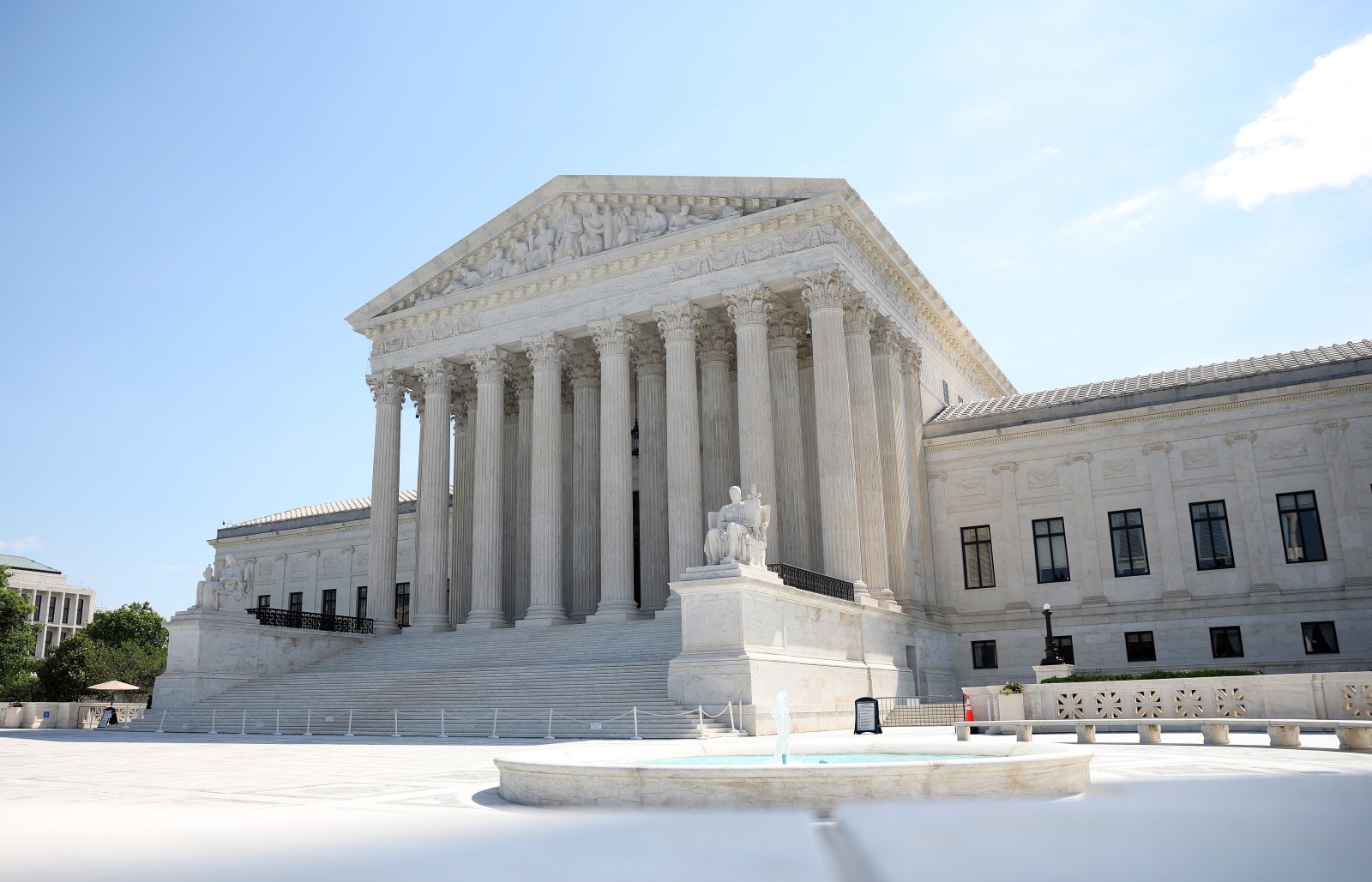
The White House announced on Friday that President Trump is utilizing a pocket rescission to cut $810 million in spending approved by Congress. This move targets minority groups, immigrants, and research programs. Such a tactic had been previously employed by Trump to block $4 billion in spending, leading to a Supreme Court case. Although the Supreme Court did not rule on the legality of the action, it reversed an injunction that would have compelled the distribution of funds as per Congress’s intentions.
Legal Challenges and Implications
The Trump administration’s use of this disputed power reveals its determination to curb spending considered “wasteful,” despite risking a legal confrontation over the spending powers historically held by Congress. Regularizing such actions would increase the president’s influence over government spending compared to Congress.
The White House claimed the pocket rescission is a “long neglected” authority granted by the 1974 Impoundment Control Act. The administration aims to “cut wasteful and harmful government spending” through this measure. It plans to redirect funds from organizations supporting migrants, housing assistance, and academic exchange programs.
Impoundment Control Act and Congressional Response
According to the Impoundment Control Act, the president may temporarily withhold authorized spending while requesting Congress to reconsider. Congress has a 45-day window to respond. However, with the fiscal year ending on September 30 and the House not expected to return until after the November elections, time constraints prevent Congress from acting. This situation allows for a pocket rescission, where spending remains blocked without legislative approval.
The tactic bypasses Congress, which holds the power of the purse under Article One of the Constitution.
Supreme Court Ruling in 2025
In 2025, Trump used the same approach to withhold $4 billion designated for USAID and the State Department, as part of efforts to reduce foreign aid. His actions faced accusations of being illegal, with Senator Susan Collins, chair of the Senate Appropriation Committee, condemning it and legal challenges following. Initially, the U.S. District Court issued a preliminary injunction against this move, which the Supreme Court later stayed in a 6-3 ruling.
The court decided the groups suing were barred by the Impoundment Control Act and noted the potential harm to the executive branch’s foreign affairs outweighed other harms.
A dissenting opinion from Justice Kagan, supported by Justices Sotomayor and Jackson, argued the president overstepped congressional powers. Justice Kagan stated that the administration failed to show it would face irreparable harm without the stay and had not demonstrated a likelihood of success on the merits.
Controversy and Criticism
Criticism followed the new announcement of a pocket rescission. Senate Minority Leader Chuck Schumer accused the administration of illegally redirecting nearly $1 billion in vital funding for children, students, small businesses, and research.
Senator Collins emphasized that the administration delayed reporting the impoundment to Congress, constituting an abuse of Congress’s appropriations powers. This deliberate withholding of funds aimed to achieve an unlawful cancellation of bipartisan-approved appropriations.