Competitive Senate Races Highlight Changes in Voter Registration
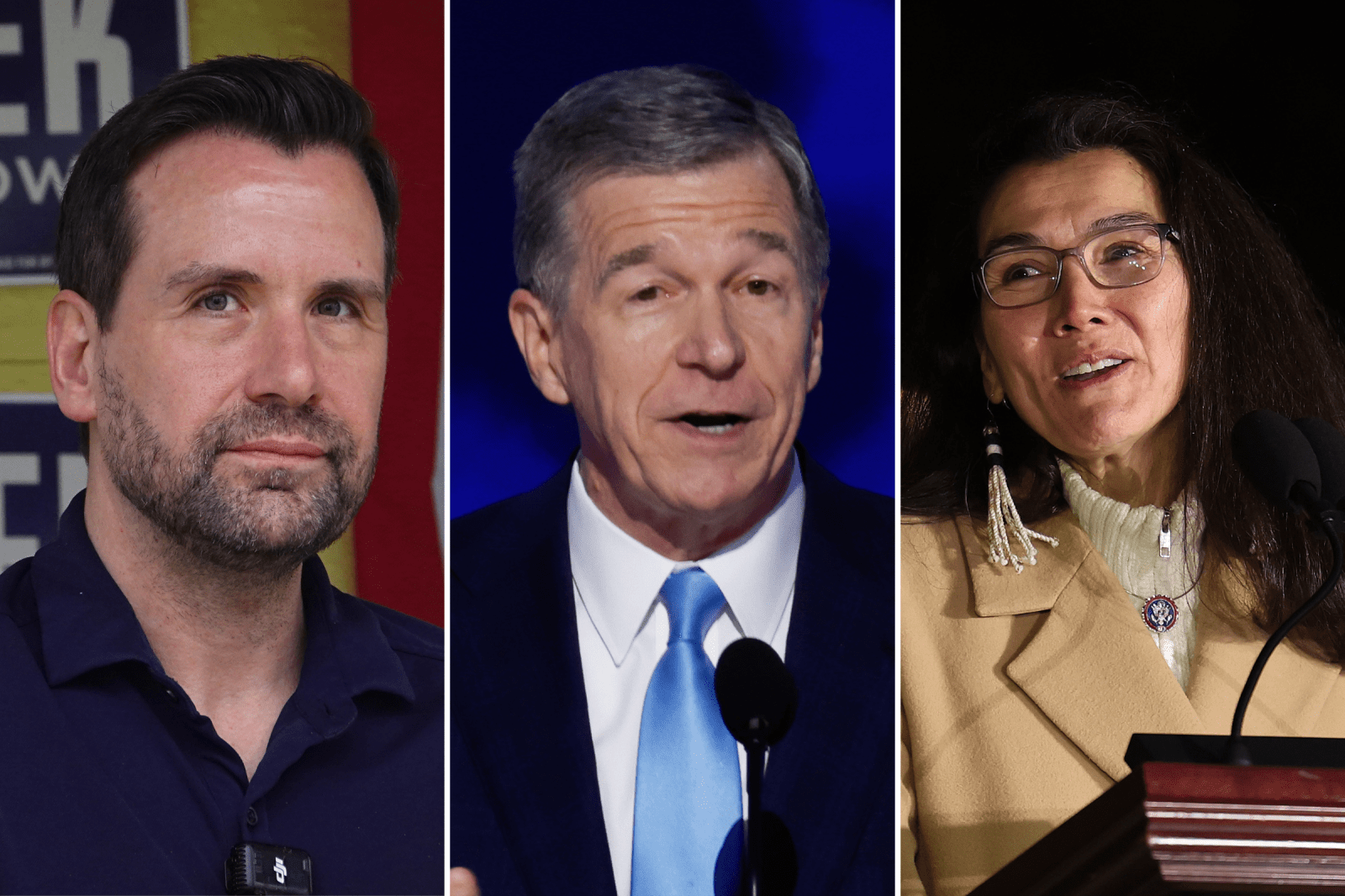
Democrats are narrowing the registration gap with Republicans in several states ahead of the 2026 midterm elections. This could impact control of the Senate, with Democrats leading in polls in traditionally conservative states like Alaska, Iowa, Ohio, and Texas.
Changes in Voter Registration
While Republicans still hold an advantage in some conservative states, Democrats are expanding the battleground. A significant factor is the declining approval rating of former President Trump, amid economic concerns and rising gas prices.
Voter registration data shows shifts in partisan composition, but it is not always a predictor of electoral outcomes, particularly during wave years. Factors like population changes and party dissatisfaction influence these numbers. Some states do not track registration by party, including Georgia, Michigan, and Ohio, which have competitive races this year.
Stephen Farnsworth, a political science professor, noted that voters often penalize the president’s party in midterms, but Trump’s low approval is an added challenge for Republicans.
State-by-State Analysis
Alaska
The voter registration gap has diminished in Alaska. In December 2025, Republicans had a 73,829-voter advantage, shrinking to 72,290 by September 2026. Despite backing Trump by 13 points in 2024, Alaska is seeing a competitive Senate race between Senator Dan Sullivan and Mary Peltola. Polls indicate a tight race, with some showing Peltola slightly ahead.
Iowa
Once a battleground, Iowa has tilted more conservative. Democrats reduced the Republican registration advantage from 196,755 in December 2025 to 182,715 by September 2026. The Senate race between Ashley Hinson and Josh Turek is competitive, with polls providing mixed results, some leaning towards Turek.
Kansas
In Kansas, Republican voter advantage dropped slightly. The state supported Trump by 16 points in 2024 but has a Democratic governor. Senator Roger Marshall faces a re-election challenge from Democrat Adam Hamilton. Polls show a close race.
Nebraska
Nebraska sees a race between Senator Pete Ricketts and independent Dan Osborn. The Republican registration lead decreased slightly. Although considered a Republican stronghold, polls show a tight race.
New Hampshire
New Hampshire shows a small Republican registration advantage. Despite backing Kamala Harris in 2024, the Senate race between Chris Pappas and John Sununu is a toss-up. Polls highlight a divided electorate.
Republican Gains
Maine
Republicans gained ground in Maine, yet Democrats still lead the voter rolls. Senator Susan Collins faces a tough race against Troy Jackson, with various polls suggesting a close contest.
North Carolina
In North Carolina, Republicans have overtaken Democrats in voter registration. Former Governor Roy Cooper, a Democrat, is favored over Michael Whatley in a closely watched Senate race.
Democrats’ Chances
Farnsworth suggests Democrats have a better than 50-50 chance at taking the Senate due to economic concerns and perceptions of the current administration’s focus.
Prediction markets have shifted to favor Democrats gaining Senate control, with current percentages higher than earlier in the year.
Looking Ahead
With the Senate race close, candidates continue campaigning on various issues. Voter sentiment remains crucial in the upcoming elections as attention remains on the competitive races across the country.