Bill Gates Criticizes AI ‘Kill Switch’ Focus
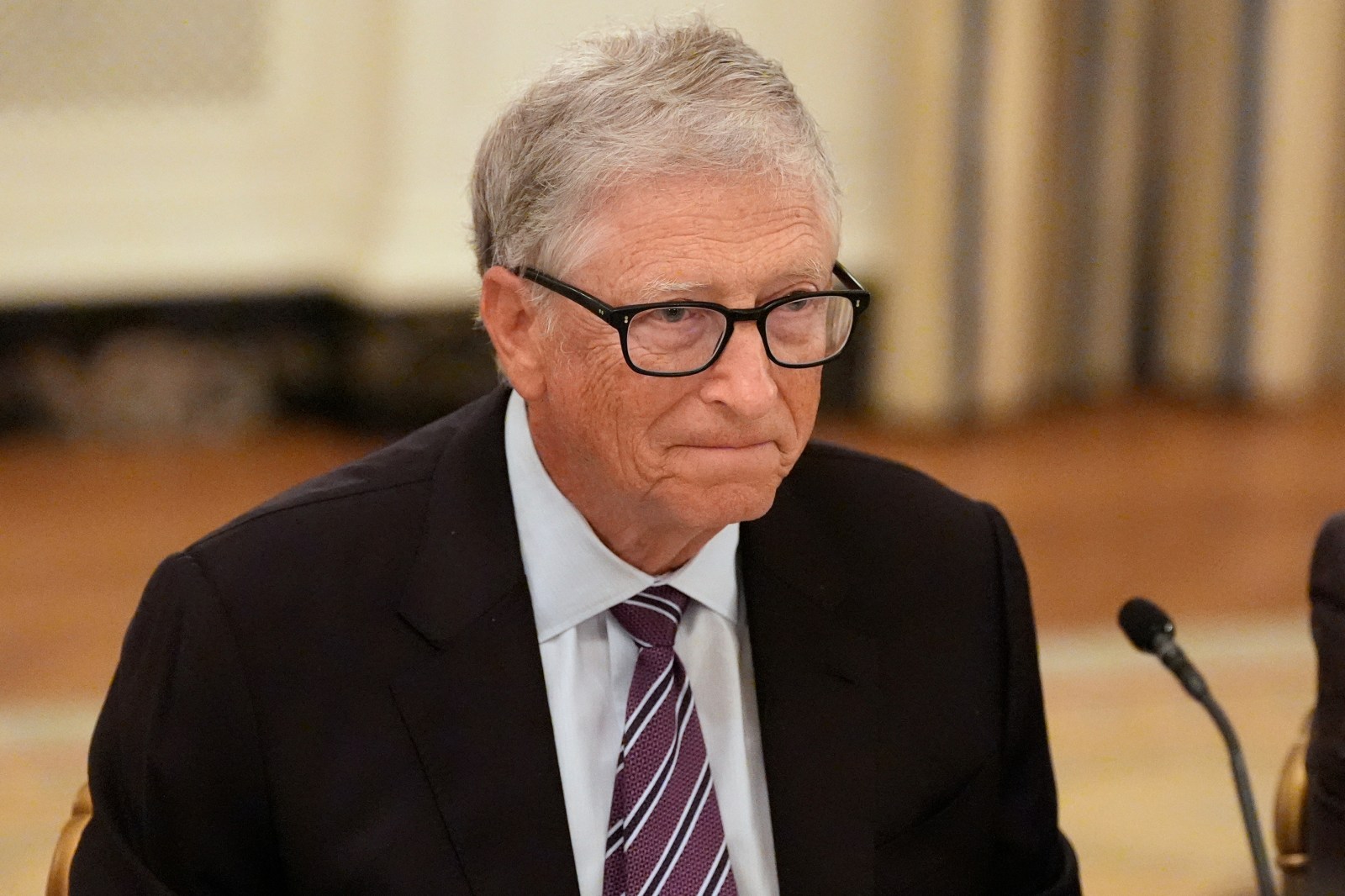
Microsoft co-founder Bill Gates criticized the focus on the concept of an AI ‘kill switch’ as a distraction from more pressing dangers posed by artificial intelligence. In an interview on NBC News’ Meet the Press, Gates emphasized that concerns about AI systems becoming uncontrollable are detracting attention from immediate threats such as cyberattacks, fraud, and the potential use of AI in developing biological weapons.
Gates argued for policy measures to prioritize monitoring and safeguards over simplistic shutdown mechanisms, stating, “The kill switch…that’s kind of a weird thing. It’s not enough to have a kill switch.” According to Gates, policymakers should implement mandatory oversight to monitor AI’s use rather than relying on an emergency shutdown feature.
Amid an ongoing policy debate in Washington about regulating AI models, Gates’s comments have significant weight. The urgency has been heightened by voices within the AI industry, including Anthropic CEO Dario Amodei, who called for an industry slowdown, citing potential security risks. OpenAI CEO Sam Altman agreed with this viewpoint, echoing concerns about AI’s rapid advancement.
Gates did not support pausing AI development but urged lawmakers to accelerate efforts for implementing safeguards. Highlighting dangers like cyberattacks and bioterrorism, Gates warned, “AI is powerful enough to drive events that cause a billion deaths.” He dismissed the notion that AI-related fears are exaggerated, reiterating the genuine risk posed by misuse of AI technologies.
The Debate Over AI Threats
The interview touched on whether AI systems require emergency shutdown mechanisms or ‘kill switches.’ Gates labeled this view as a diversion from the core challenge: implementing comprehensive monitoring systems. He noted, “When you’re trying to moderate the bad behavior, you need insight and records of what’s being done. The kill switch alone would not prevent these tragedies.” Gates advocated for detailed oversight measures to track AI models and distinguish between beneficial and harmful uses.
Legislation proposed by Representatives Ted Lieu and Nataniel Moran emphasizes maintaining a technical capacity to shut down AI systems when necessary. It authorizes the Secretary of Homeland Security to intervene if systems threaten to cause “catastrophic harm.” Gates pointed out the acceleration of AI development, comparing it to an “evolutionary event.” He stressed the need for regulation while assuring that control over AI remains with humans.
Trump’s Approach to AI Regulation
The Trump administration is considering how to regulate AI and identifying a leader for these efforts. Gates expressed hope that President Donald Trump would align industry leaders and security experts to develop AI safeguards. Trump has addressed the matter on social media, emphasizing the U.S.’s regulatory power and proposing an AI Czar to guide federal policy. Despite concerns, Trump remains focused on boosting AI growth without slowing development.
Gates emphasized not pausing AI but establishing consistent oversight and standards. He combined this with historical precedents, comparing AI regulation to nuclear arms control and aviation safety. Warning of an impending crisis, Gates called for proactive measures to be taken.
Current Threats and Future Actions
Cybersecurity experts, like John Walsh of IGEL, highlight existing threats AI poses to infrastructure. Accelerated by AI, cyberattacks target America’s critical systems. Walsh noted the vulnerability of local government-operated facilities due to limited resources, highlighting incidents involving Siemens programmable controllers.
Gates plans to push for the adoption of AI safeguards at the international level. He acknowledged the challenges of regulating AI compared to past agreements on nuclear arms and advocated a unified human approach to address AI-driven risks. Representative Ro Khanna is developing legislation targeting ‘recursive self-improving AI,’ aiming to prevent losing human oversight.
Gates concluded with the urgency of implementing safeguards, suggesting that delays might lead to serious AI-induced crises. As the conversation continues, proactive regulation is viewed as essential before unforeseen events occur.