Trump Administration Seeks Changes to H-1B Visa Program
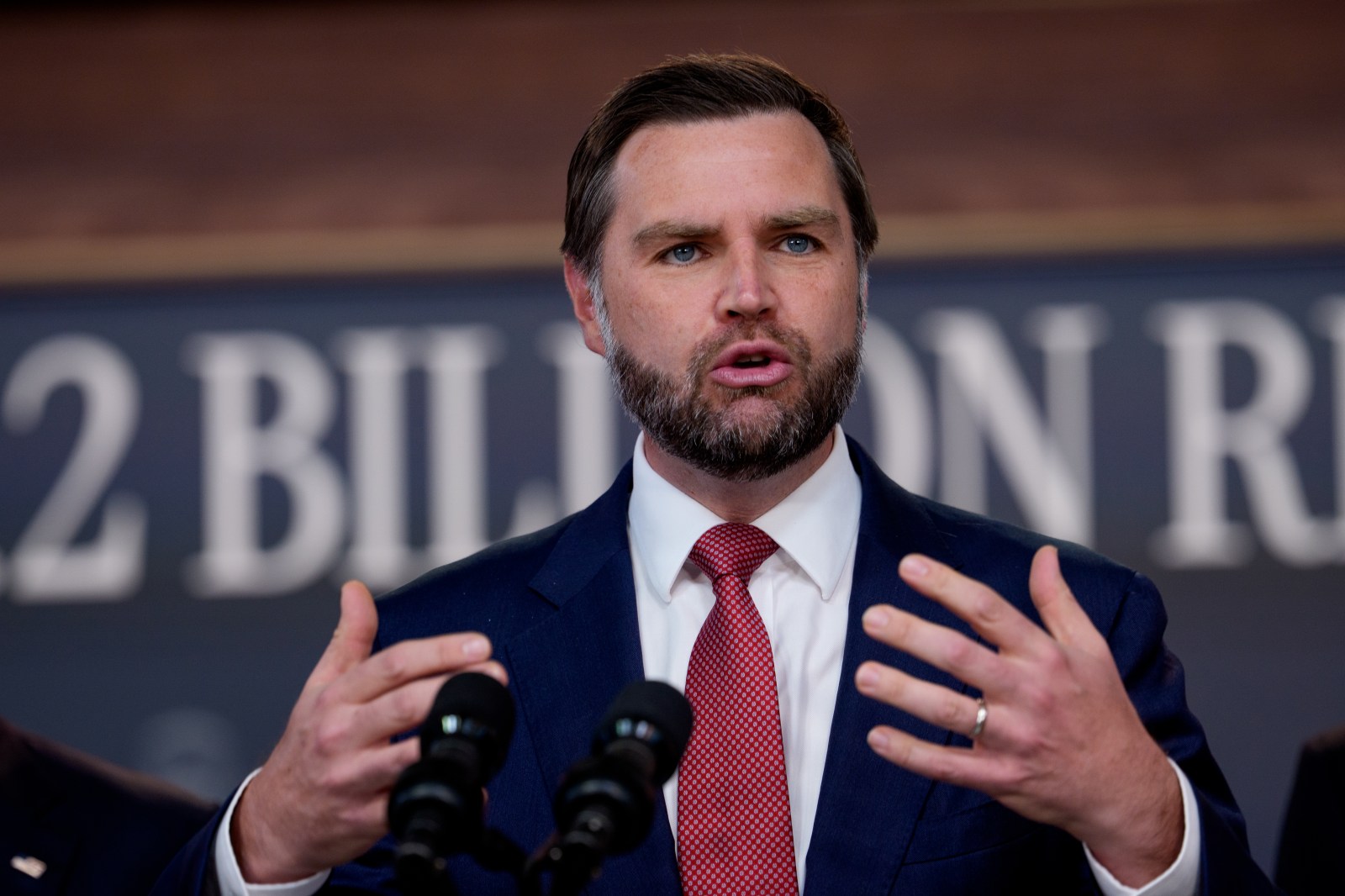
The Trump administration is examining strategies to curb the use of the H-1B visa program for replacing American workers with foreign employees. Vice President JD Vance highlighted this effort as part of the administration’s push for stricter controls on employment-based immigration. As Trump’s appointed ‘fraud czar,’ Vance mentioned that officials are reviewing employers’ layoff records to prevent companies from using H-1B visas to supplant U.S. workers with lower-paid foreign labor.
In an appearance on the ‘All-In Podcast,’ Vance stated, “We’re also looking at various ways of preventing companies that use H-1B visas from laying off a bunch of American workers.” Vance expressed his concern over companies claiming a shortage of workers while having a history of significant layoffs, pointing out instances where companies have laid off thousands yet still applied for H-1B visas.
The comments emerged amid a series of changes to the H-1B visa program by the Trump administration aiming at tightening control over the legal immigration system. The program allows U.S. employers to hire foreign workers in specialty occupations, mainly in tech, healthcare, and engineering sectors.
Key changes to the visa program include a weighted selection system favoring higher-paid positions, expanded biometric and security fees for H-1B extension filings, and a proposal to eliminate a rule allowing some foreign workers to stay in the U.S. for up to 60 days post-job loss.
On September 18, President Trump signed an executive order directing federal agencies to increase H-1B petition scrutiny, particularly when U.S. workers might be replaced. Agencies such as State, Labor, and Homeland Security are instructed to consider recent or planned layoffs of American workers during their review processes.
The administration is actively scrutinizing employment-based immigration programs, with actions taken against several employers over alleged fraud. For instance, the Labor Department suspended Cognizant’s ability to file new applications under the PERM program while investigating potential fraud involving PERM and H-1B programs. Additionally, H-1B processing for software company Cloudera got suspended. As of late September, five employers were listed as debarred from participating in the H-1B program.
The Department of Homeland Security proposed an extra $103,265 charge on H-1B petitions subject to a cap, arguing that companies using the program can absorb the expense despite existing immigration fees. This charge is distinct from a $100,000 payment requirement under a Trump proclamation for certain H-1B beneficiaries coming from outside the U.S., which a federal court deemed unlawful in June.
The administration’s stance is to realign the H-1B program with its intended purpose: supplementing the domestic workforce with skilled foreign employees rather than enabling companies to cut labor costs by displacing U.S. workers.
Lauren Bis, a White House spokesperson, remarked to Newsweek, “This fee was about putting the American worker first and protecting them from being replaced by cheap foreign labor.” The administration emphasizes an agenda to boost job opportunities for American workers rooted in the belief that there is no shortage of American talent to grow the labor force.
Employers’ use of the program has faced mixed opinions. Technology companies benefit from recruiting specialized foreign workers, while criticisms focus on potential disadvantages for U.S. workers. Adam Klein, a former DHS official, suggested that making it difficult to bring international talent to the U.S. might prompt companies to consider relocating jobs abroad.
Vance noted legal boundaries limit what the administration can achieve without Congressional approval. Congress remains divided over the H-1B program’s future, with proposals ranging from tightening eligibility requirements and preventing abuse, to completely restricting or eliminating the visa.
Vance reinforced the stance that the H-1B program should not aim to replace American workers with low-wage foreigners but to strengthen the American economy.