Meta and Trump Align on AI Language Amid Industry Concerns
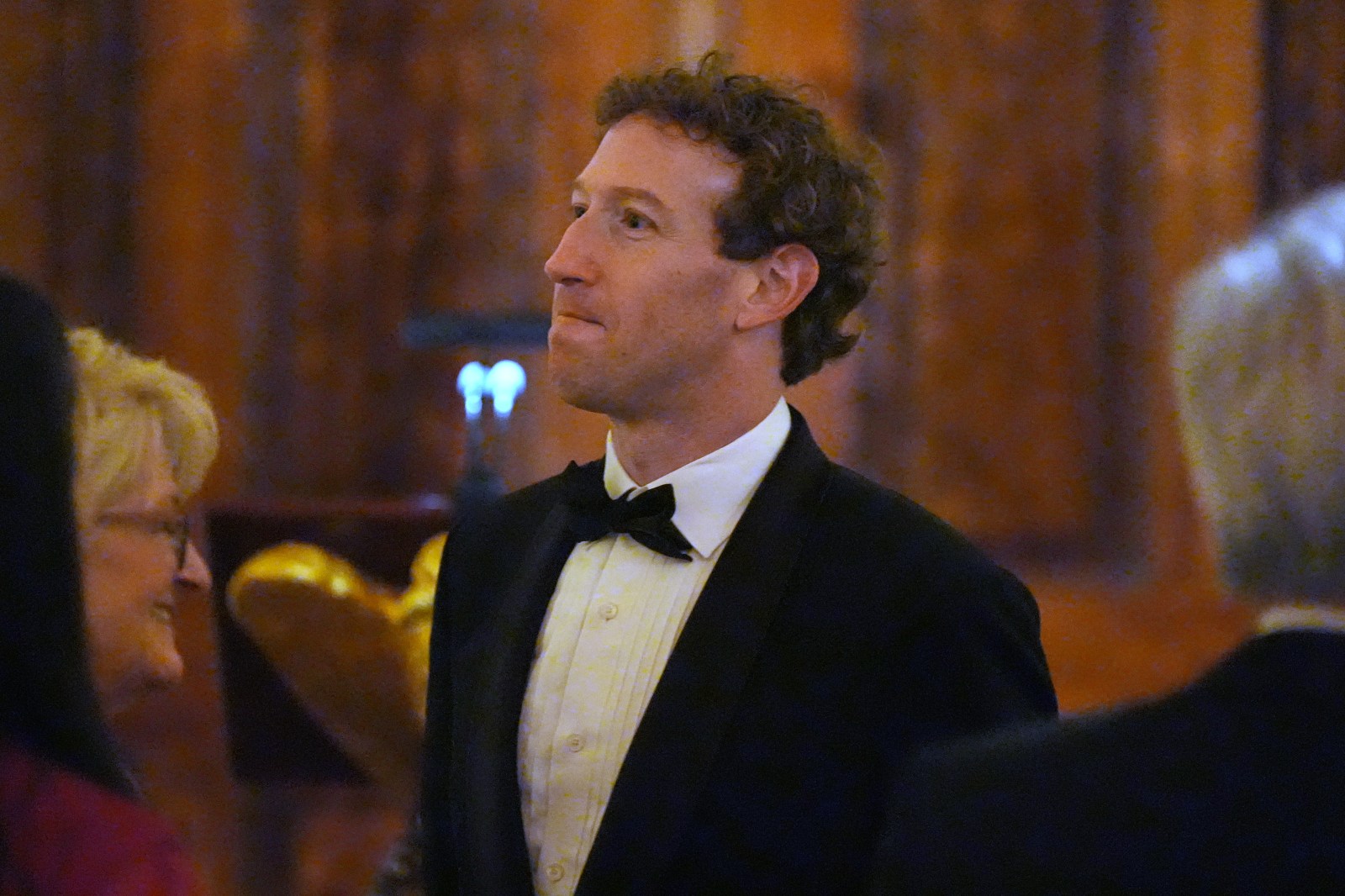
Meta CEO Mark Zuckerberg and former President Donald Trump agree on using the term “superintelligence” for artificial intelligence (AI). This comes as the tech sector faces growing concerns about developing more powerful systems. On Monday, Zuckerberg highlighted “superintelligence” in announcing a new business focus. He emphasized the potential for significant opportunities for people and businesses.
Trump expressed his preference for the term during a United Nations address on September 22, suggesting the U.S. government replace “artificial intelligence” with “super intelligence” in official documents. A Meta spokesperson confirmed Zuckerberg’s prior use of the term, referring to his July 2025 essay “Personal Superintelligence.”
Trump made further comments on Truth Social after meeting Chinese President Xi Jinping. He praised the shift to “super intelligence” as an improvement, noting widespread agreement at a recent state dinner.
Superintelligence: A Strategic Shift
Zuckerberg’s language aligns Meta with Trump’s national and economic vision for AI. Both highlight the technology’s benefits over potential threats that warrant more restrictions. Their stance stands against recent warnings from researchers and industry leaders. Some, like former Anthropic researcher Jacob Coxon, worry about self-improving systems posing threats. Coxon resigned over concerns about rapid development.
Despite calls for slower AI progress from figures like Anthropic CEO Dario Amodei, Trump has criticized such caution, citing fears of losing ground to China. He refers to some safety warnings as hoaxes.
Meta’s Enterprise Focus
Zuckerberg announced the Meta Enterprise Platform, projecting it as the next major business pillar. This platform aims to help businesses harness AI to reach more customers, develop products, and transform operations. It initially provides access to Meta’s tech stack, including the Muse agent and Meta Business Agent.
Chirantan “CJ” Desai, former MongoDB CEO, will lead the enterprise platform as chief officer, reporting to Zuckerberg. The announcement lacked details on pricing, customer engagements, or timelines for the platform’s commercial launch.
Industry Implications and Perspectives
Experts are divided on the adoption of the term “superintelligence.” Jean-Pierre Dubé, a marketing professor, noted its specific meaning in tech research: intellect surpassing human capacity in most fields. The rebranding may not succeed unless widely endorsed by tech leaders.
Trump proposed terms like “superior” or “supreme intelligence” before settling on “super intelligence.” In AI research, this phrase often describes systems that far exceed human cognitive performance, not a replacement for current AI concepts. Trump also announced plans for an “AI Force,” though details remain unclear.
Past Safety Concerns
Zuckerberg faces scrutiny over platform safety. He has often defended Meta’s tech development approach before Congress, facing questions about privacy, misinformation, harmful content, and social media’s impact on youth. Critics draw parallels between social media and AI development, pointing out similar risks.
Proponents believe that social media lessons can guide AI development. As Meta adopts “superintelligence,” it may face renewed regulatory questions on balancing innovation with safety.
Call for Controls
John Walsh, CTO at IGEL, emphasized the need for control with advanced AI. As systems become more capable, securing, observing, and controlling them becomes crucial. Walsh called for safeguards, such as strong identity systems and enforceable boundaries, to manage autonomous AI actions.
Walsh argued that innovation and regulation should not be seen as opposing forces but as complementary actions for safe AI deployment. He urged industry and government collaboration on standards and oversight frameworks.
Walsh concluded with a call to action, stating that leaders must collaborate to safely deploy AI systems. Meta must now prove its ability to integrate AI securely while navigating industry divisions over “superintelligence.”