Leila Mirhaydari’s Journey with Kidney Transplantation and Rejection
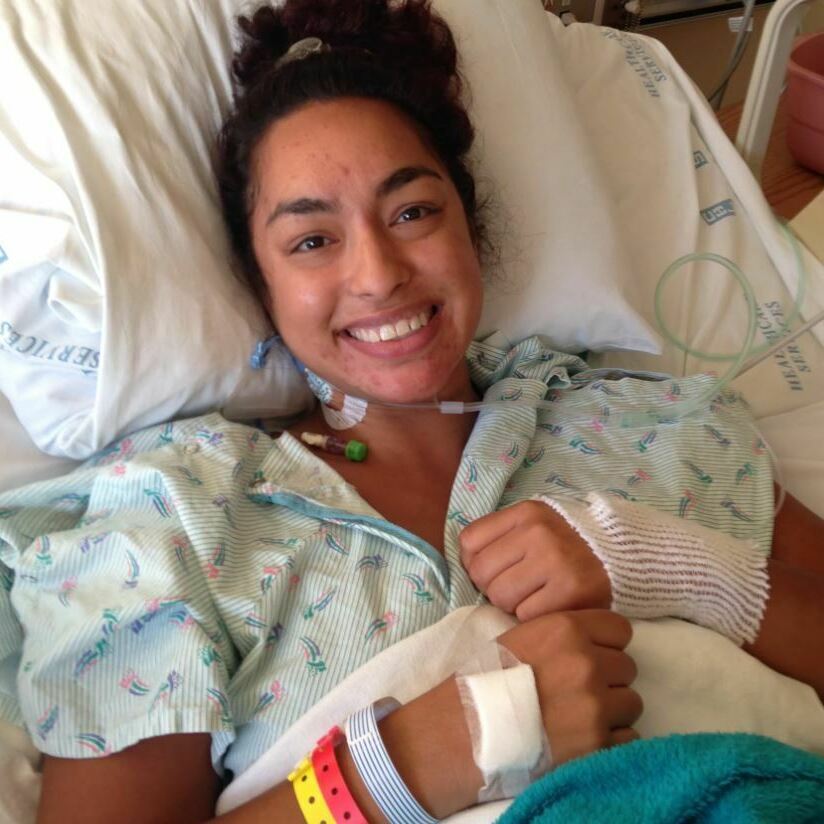
In 2014, Leila Mirhaydari underwent kidney transplant surgery. Eight years later, her body began to reject the donated organ.
By February 2021, Hawaii’s pandemic restrictions eased. Leila could visit her kidney doctor, ending her long wait for in-person healthcare. Despite the relief, anxiety loomed. Transplanted organs require meticulous care, and Leila had been managing her donated kidney alone for a year. Her anxiety proved warranted; her lab results indicated rejection.
“Immediately, all my levels were just out of whack and I knew that I was in rejection,”
she recalls, expressing emotional distress over not preserving her donor’s gift.
Leila’s kidneys had failed at age 27, leaving her reliant on dialysis while she waited for a transplant. Her step-cousin, Miles Landis, generously donated a kidney on September 9, 2014. She fondly named the kidney The Hulk, appreciating its presence in her life. For eight years, the transplant freed her from dialysis, enabling travel and a fuller life. Yet, faced with rejection, she braces for another challenging journey.
The Immune System’s Role in Rejection
Transplanted organs trigger the body’s immune response. Recipients must take medications to suppress this. Without them, the immune system attacks the new organ. This snowball effect is difficult to reverse.
“Our immunosuppression keeps that snowball from moving. But if the immunosuppression is too low, or someone doesn’t have access or has stopped taking their medications, that snowball starts to roll faster and becomes bigger,”
says Nicolae Leca, professor at the University of Washington, describing the process.
The National Kidney Foundation notes that kidneys from living donors typically last 15-20 years. However, rejection can occur sooner, as in Leila’s case.
Financial Challenges of Immunosuppressive Medications
In March 2020, the pandemic strained finances globally, and Leila’s situation was no different. With her restaurant job and health insurance tied to employment, she faced prohibitive costs for her daily immunosuppressants. She attempted to extend her medication supply, reducing tacrolimus intake. This decision inadvertently reactivated her immune system, leading to rejection.
Returning to Dialysis
Leila anticipates returning to dialysis as she awaits a donor. She recently rejoined the UNOS (United Network for Organ Sharing) list, overcoming mental barriers related to the guilt of rejection.
UNOS data reveals over 100,000 Americans wait for organ transplants. Daily, 17 die waiting. In 2022, more than 6,400 living organ donors were recorded.
The federal government enacted a 2020 law ensuring lifelong Medicare coverage for immunosuppressive medications for transplant recipients. Though too late for Leila, this support offers comfort as future recipients will access needed medications regardless of insurance.
For more information on living organ donations, visit the United Network for Organ Sharing.
This story was produced by Liz Metzger, edited by Rebecca Ramirez, and fact-checked by Zazil Davis-Vazquez. Audio engineering by Gilly Moon.