Ghost Genes and the American Red Wolf: A Conservation Effort
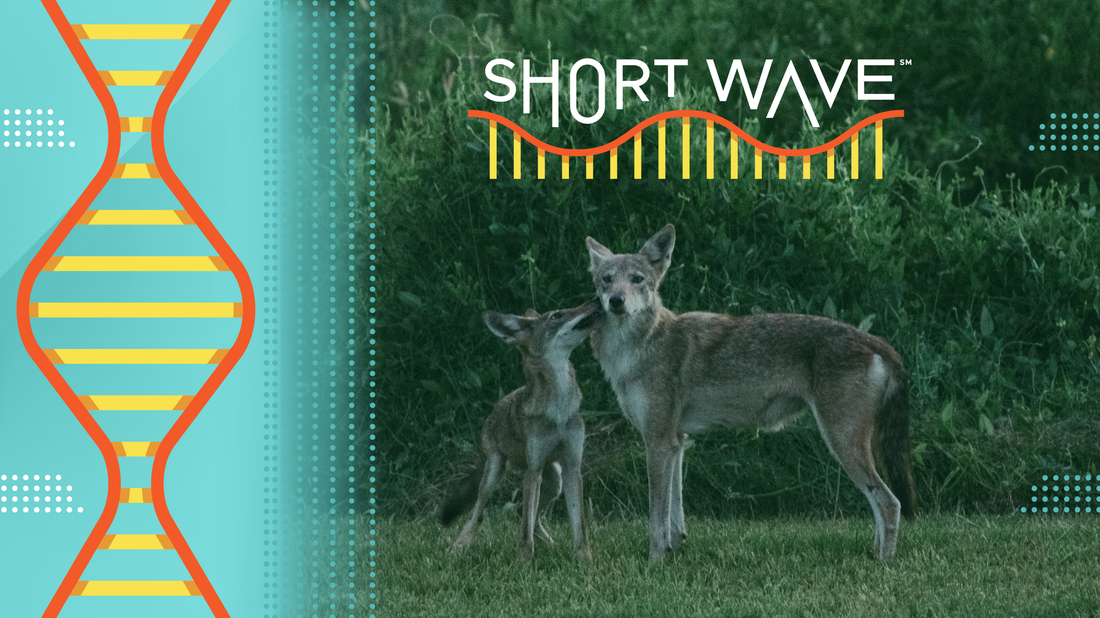
The American red wolf, once a key part of the Southeastern U.S. ecosystem, is now critically endangered. It played an important role as a predator of deer and small mammals. However, early European settlers viewed wolves as threats to livestock and offered bounties to eliminate them.
By the mid-1900s, the red wolf population had sharply declined. This prompted a conservation effort to save the species. In the 1970s, the U.S. Fish and Wildlife Service took action. They captured various canids, including coyotes and dogs, to find those with red wolf traits. From these efforts, a founder population of fourteen red wolves was established. These wolves are the ancestors of the current population.
Today, only a few hundred red wolves exist in captivity and a small number live in the wild on North Carolina’s Albemarle Peninsula. Genetic diversity remains limited due to the small founder population. Bridgett vonHoldt, a Princeton University professor, is part of a new effort to address this issue.
In a conversation with Emily Kwong, host of NPR’s Short Wave, vonHoldt explains using ‘ghost genetics’ to recover genetic diversity. They discuss innovative methods and how a coyote photograph inspired this research.
This episode was produced by Hannah Chinn and edited by Rebecca Ramirez. The episode was fact-checked by Tyler Jones, with Robert Rodriguez as audio engineer. Beth Donovan serves as the senior director and Collin Campbell is the senior vice president of podcast strategy.